As the chilly embrace of winter descends upon many regions, the quest for warmth becomes a paramount concern. Individuals often find themselves exploring an array of heating options, with propane heaters emerging as a convenient and popular choice. Nonetheless, a pivotal question arises from this pursuit: Can you use a propane heater indoors? This inquiry resonates deeply, not only due to its practical implications but also because of the underlying complexities associated with indoor heating solutions. In this exploration, we will dissect the nuances of using propane heaters indoors, delineate safety considerations, and illuminate alternatives that might pique your interest.
To start, propane heaters are indispensable tools when it comes to generating heat swiftly and efficiently. Commonly employed in outdoor settings—such as construction sites, camping trips, and even backyard gatherings—their transition to indoor use is not as straightforward as it might seem. The allure of a warm, cozy space beckons many to consider this option; however, there are crucial factors to ponder that can significantly impact one’s safety and comfort when utilizing these devices in an enclosed environment.
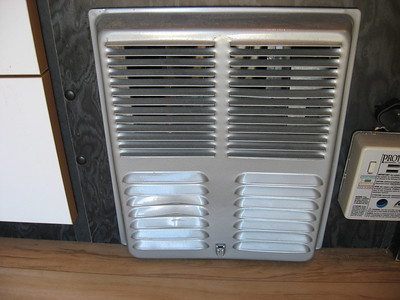
First and foremost, understanding the type of propane heater is essential. Propane heaters generally fall into two categories: vented and unvented. Vented propane heaters, as the name implies, have a designated venting system that directs combustion gases outside, minimizing the risks associated with carbon monoxide exposure. This makes them a far safer option for indoor use. Conversely, unvented propane heaters are designed to operate without a chimney or venting system, resulting in the potential accumulation of hazardous gases in your living space.
While unvented heaters may offer the allure of portability and ease of setup, they also come with significant risks. The combustion process produces carbon monoxide—a colorless, odorless gas that poses grave health dangers when inhaled in substantial quantities. Symptoms of carbon monoxide poisoning may include headaches, dizziness, nausea, and confusion, and in severe cases, it can lead to unconsciousness or death. Consequently, it’s imperative to recognize that using unvented propane heaters indoors is generally discouraged by safety experts.
In addition to the type of heater, another critical aspect to explore involves the presence of adequate ventilation when using a propane heater indoors. Propane combustion consumes oxygen, creating carbon dioxide and water vapor in the process. Therefore, to ensure safe usage, rooms must have sufficient airflow to allow for the dissipation of these byproducts. Many homeowners fail to appreciate the intricate balance between heating and ventilation, which can create an opaque layer of danger in an otherwise inviting atmosphere. Hence, if you must utilize a propane heater inside, installing a carbon monoxide detector is not just prudent—it is essential.
Beyond the need for safety measures, the utilization of a propane heater indoors can also stir environmental considerations. The carbon footprint associated with propane as a fossil fuel source adds a layer of complexity for environmentally-conscious individuals. While propane is considered cleaner-burning compared to coal or heating oil, it still emits greenhouse gases. For those striving to reduce their environmental impact, the choice of your heating system can speak volumes about your values and priorities. As global warming concerns continue to rise, exploring renewable energy options may present a more sustainable alternative for years to come.
If you decide to use a propane heater for indoor heating, it becomes imperative to ensure that you do so responsibly and with utmost caution. Here are several guidelines to adhere to:
- Choose the Right Heater: Opt for a vented propane heater designed specifically for indoor use. This will help to mitigate risks associated with harmful gas emissions.
- Ensure Adequate Ventilation: Proper airflow is critical. Open windows or utilize fans to maintain fresh air circulation in the room where the heater operates.
- Install Carbon Monoxide Detectors: Place detectors near sleeping areas and living spaces to alert you to any unsafe levels of CO that may develop.
- Regular Maintenance: Periodically inspect and maintain your propane heater to ensure it is functioning correctly and safely.
- Follow Manufacturer’s Instructions: Always read and adhere to the operating guidelines provided by the manufacturer to ensure proper and safe usage.
- Keep Flammable Items Away: Maintain a safe distance between the heater and any flammable materials, such as curtains, furniture, or paper products.
In conclusion, while propane heaters can indeed be utilized indoors under specific conditions, utmost caution and a thorough understanding of their operation are imperative. The warmth they deliver can transform frigid rooms into havens of comfort, yet it’s essential to approach indoor usage with a heightened sense of awareness. By adhering to safety guidelines, opting for the right equipment, and cultivating a responsible mindset, you can navigate the complexities of indoor propane heating effectively. Ultimately, whether trapped within winter’s chill or basking in summer’s warmth, ensuring safety should always be the foremost endeavor in any quest for comfort.









Leave a Comment