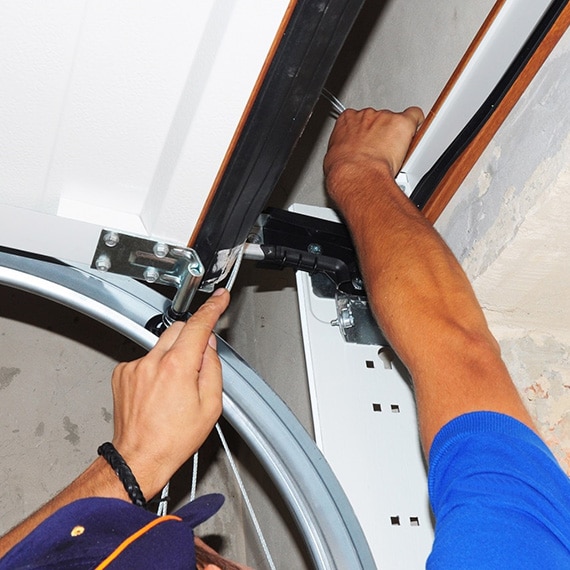
Garage door maintenance often transcends mere aesthetics or convenience; it taps into deeper currents of safety, security, and the seamless orchestration of daily life. A smoothly functioning garage door ensures your vehicles are protected against the elements, while also safeguarding your home’s perimeter. Yet, as wear and tear inevitably set in, the track—the vital component that allows the door to glide upwards and downwards—can become compromised. Understanding garage door track repair can save homeowners both time and money while providing peace of mind.
Understanding the Garage Door Track
The garage door track serves as a conduit for the door’s movement. Typically made of reinforced steel, these tracks are engineered to guide the door with precision. When tracks become misaligned, bent, or corroded, they can hinder the optimal functionality of the garage door, resulting in a clattering or jarring experience that may pose a safety risk. Recognizing the signs of track malfunction is the first step towards rectification.
Common Signs of Garage Door Track Problems
Detecting issues with the garage door track requires vigilance. Homeowners should be aware of several indicators of potential problems:
- Unusual Noises: A crunching, grinding, or scraping sound during operation could indicate debris obstruction or misalignment.
- Misalignment: If the door appears off-kilter on opening, one side may be skewed in its track, leading to uneven wear.
- Stuttering Movement: If the door hesitates or appears to stall while in motion, it may be encountering friction due to a damaged track.
- Visible Damage: Look for dents or bends on the track. These irregularities can prevent the door from moving smoothly.
Safety First: Precautions Before Repair
Before delving into repair work, safety precautions are paramount. Disconnecting the garage door opener prevents accidental activation. It’s advisable to have someone assist you by holding the door in place if it is partially opened. Utilizing safety gloves and goggles protects against debris and sharp edges; these elements are often overlooked but crucial for a secure repair experience.
Essential Tools for Garage Door Track Repair
Equipping yourself with the right tools is fundamental for effective track repair. The following items will streamline the process:
- Socket Set and Wrenches: These tools help loosen or tighten bolts that hold the track in place.
- Screwdrivers: Useful for removing obstructions or screws that may be lodged in the track.
- Level: Essential for ensuring that new or adjusted tracks are properly aligned.
- Pliers: Handy for removing stuck debris or manipulating track components that may be bent.
- Hammer: Can be used for gently correcting minor bends or adjusting track alignment.
Step-by-Step Guidelines for Repairing Garage Door Tracks
- Assess the Damage: Inspect the entire length of the track for dents, bends, or obstructions. Examining the wheels and rollers should also be part of this step.
- Clean the Track: Clear any dirt, debris, or grease that may have accumulated over time. A clean track reduces friction and prolongs the functionality of the door.
- Realign the Track: If the track appears misaligned, use a level to determine its verticality. Gentle taps with a hammer can assist in straightening minor bends. For significant misalignments, consider loosening the track bolts and repositioning the track.
- Tightening Connections: Check and tighten all bolts and screws that secure the track. Loose connections can exacerbate alignment issues and lead to further complications.
- Replace Damaged Sections: If the track is significantly bent or damaged, it may be essential to replace that specific section. Cut out the impaired segment and install a new track using proper fittings.
- Lubricate the Track and Rollers: After ensuring everything is in order, apply lubricant to the track and rollers. This minimizes friction and enhances smooth operation.
- Conduct a Final Test: Finally, reconnect the garage door opener and test the door through multiple cycles to ensure it operates seamlessly.
When to Call a Professional
While many garage door track repairs are feasible for a skilled DIYer, certain circumstances warrant professional intervention. If alignment issues persist despite your efforts, if you’re uncomfortable handling heavy components, or if the problem extends beyond the track to involve electrical work or springs, enlisting a professional is prudent.
Conclusion
Garage door track repair is not merely a matter of fixing a mechanical issue; it is also about sustaining the sanctuary of the home. In an age where security and efficiency reign supreme, keeping your garage door in optimal condition means committing to regular maintenance and timely repairs. By understanding the intricacies of track mechanics, employing the appropriate tools, and following systematic repair steps, you can ensure your garage door remains functional, safe, and, most importantly, an unyielding guardian of your home.








Leave a Comment