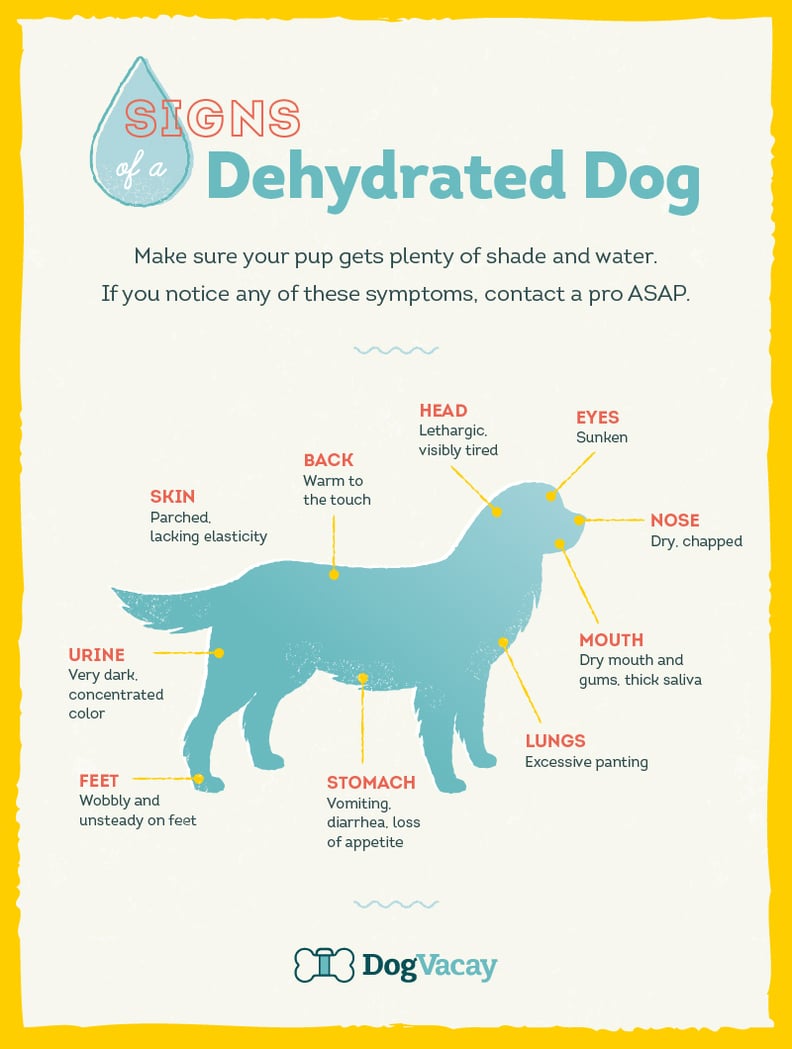
In the complex tapestry of canine care, understanding hydration might just be one of the most pivotal threads. A dog’s ability to thrive hinges significantly on proper hydration, yet many pet owners overlook the subtle, often insidious signs of dehydration. This shift in perspective is paramount; recognizing the early signs of dehydration can mean the difference between a quick recovery and serious health complications. Through this guide, you will discover how to identify dehydration in dogs effectively and take proactive measures to keep your four-legged companion healthy and happy.
Understanding the Science of Hydration
Water plays a fundamental role in nearly every physiological process within a dog’s body. It aids in digestion, regulates body temperature, and flushes toxins from the system. While it’s common knowledge that water is essential, the nuances of hydration in dogs are less often discussed. These living beings lose water constantly, not just through urination, but also through respiration, sweat (via paw pads), and normal metabolic processes. This loss must be balanced by sufficient intake through drinking and food. Thus, knowing the signs of dehydration is vital for responsible pet ownership.
Key Indicators of Dehydration
Detecting dehydration in dogs hinges on various observable signs and behaviors. Here are the primary indicators you should be aware of:
1. Decreased Skin Elasticity
One of the simplest methods to assess hydration is by performing a skin turgor test. Gently pinch the skin on your dog’s back or neck and release. If the skin snaps back quickly, your dog is likely well-hydrated. However, if the skin fails to return to its original position promptly, it may indicate dehydration.
2. Dry Gums and Mouth
Examining your dog’s gums can offer insight into their hydration status. Healthy gums should appear moist and slick. A dehydrated dog will present with dry, sticky gums, often a telltale sign that they are lacking moisture.
3. Lethargy and Change in Behavior
Paying attention to your dog’s demeanor is crucial. A normally active and inquisitive dog that suddenly becomes lethargic may be showing signs of needing hydration. This shift in energy levels is an alarm bell that warrants examination.
4. Sunken Eyes
Observe your dog’s eyes; if they appear sunken or dull rather than bright and alert, it can be a significant indicator of dehydration. Dullness and a lack of luster in the eyes are concerning signs that should not be ignored.
5. Urine Color and Frequency
Monitor your dog’s urination habits. Dark yellow or amber-colored urine often indicates dehydration, whereas a healthy, hydrated dog’s urine should be pale and plentiful. If a dog is urinating less frequently than normal, it’s another strong indicator of dehydration.
6. Rapid Breathing or Heart Rate
Increased respiratory and heart rates can accompany dehydration. If your dog exhibits labored breathing or an elevated heart rate, it could signal underlying health issues often linked to insufficient hydration.
7. Loss of Appetite
A loss of interest in food can sometimes coincide with dehydration. If your usually enthusiastic eater is no longer interested in meals, consider evaluating their hydration first.
Proactive Measures for Hydration
Upon identifying signs of dehydration, take immediate steps to rectify the issue. Offering fresh, clean water is the primary remedy, but there are additional methodologies to ensure your dog maintains optimal hydration:
1. Fresh Water Supply
Always provide an ample supply of fresh water. Consider using a water bowl that allows easy access and, if possible, try a pet water fountain. Dogs are often more inclined to drink moving water.
2. Hydration-Enriched Foods
Certain foods can also assist in keeping your dog hydrated. Opt for high-moisture kibble or fresh foods, such as fruits and vegetables like watermelon or cucumber, which are rich in water content.
3. Electrolyte Solutions
In more extreme cases, consider low-sodium electrolyte solutions specifically formulated for pets. These can help replenish lost fluids and salts, making a significant difference.
4. Regular Vet Check-Ups
Routine veterinary visits are essential for maintaining your dog’s health. During these check-ups, discuss hydration concerns and any signs you’ve noticed to allow your vet to offer tailored advice.
Conclusion
Recognizing signs of dehydration in dogs shifts from a mere observational task to a crucial responsibility. Engaging attentively with your pet and understanding the nuances of their needs fosters not only a deeper relationship but also ensures their well-being. So, the next time your furry friend bounds energetically toward you, take a moment to assess their hydration status as well. By being proactive and informed, you can contribute significantly to your dog’s health, happiness, and vitality.











Leave a Comment