Leopard geckos, with their vibrant colors and charming personalities, have become popular pets among reptile enthusiasts. These fascinating lizards originate from the arid regions of Central Asia, primarily Afghanistan, India, and Pakistan. As a result, their natural diet consists mainly of insects, including crickets, mealworms, and roaches. However, many owners often find themselves pondering a delightful question: can leopard geckos eat fruit? This seemingly whimsical inquiry introduces a potential challenge for pet care. The idea of fruit might make one envision a varied diet; however, the implications may not be quite as straightforward as they appear.
Firstly, understanding the dietary composition of leopard geckos is crucial. These reptiles are classified as insectivores, which means that the foundation of their diet must be primarily protein-based. In their natural habitats, they thrive on a plethora of insects, supplemented occasionally by the consumption of small amounts of vegetation. This highlights their evolutionary adaptation, which nurtured their bodies to efficiently process certain nutrients from their food sources. Yet, how does fruit fit into this equation?
Many fruits are high in sugars and carbohydrates. While humans may relish the sweet taste and the nutritional benefits of fruits, these characteristics can pose challenges for a leopard gecko. Their digestive systems are not designed to handle high-sugar content. Furthermore, unlike fruits, insects provide essential vitamins and minerals that are vital for the gecko’s overall health, ensuring proper growth and vitality.
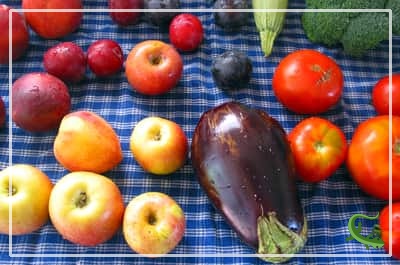
Nevertheless, fruit showcases an interesting phenomenon: when offered in moderation, some fruits can be beneficial to your leopard gecko’s hydration and overall enrichment. Think of it this way: imagine offering your gecko a colorful platter, visually enticing and strategically nutritious. For example, bits of watermelon, strawberries, or banana may provide a temporary treat. These fruits can also provide hydration, especially in the dry climate from which they hail. However, the overarching rule remains caution and moderation.
So, where does that leave the playful notion of feeding fruit to your leopard gecko? Here lies a crucial conundrum. While it’s tempting to share the delights of your fruit bowl with your gecko companion, it’s essential to weigh the pros and cons carefully. What fruits, if any, are suitable, and how should they be prepared?
Let’s delve into the matter of suitable fruit options. Fruits that are less sugary and meatier in texture usually present a safer choice. Melons, such as cantaloupe or honeydew, serve as an excellent option due to their higher water content and lower sugar levels. Blueberries, providing additional antioxidants, can also occasionally be offered, while bananas should be treated as a rare treat rather than a dietary staple.
Moreover, the preparation of fruit is equally as significant. When offering fruit to your leopard gecko, it must be in small, manageable pieces to promote safe consumption. The slices should be devoid of any skin or seeds, which could cause digestive issues. Meanwhile, keeping the quantities small is paramount. It is generally advisable that any fruit provided should constitute no more than 5% of their overall diet. This retains the focus on their primary requirement for protein-rich foods while still permitting that occasional indulgence.
However, potential challenges extend beyond the selection and preparation of fruits. The care for your leopard gecko necessitates a keen observation of their reactions to new foods. Just as you may introduce a new flavor to a child, your gecko’s behavior may give you clues about their preferences and tolerances. Some geckos may exhibit a disinterest in fruits altogether, further emphasizing the importance of a predominant diet composed of insects. Beyond this, you should always ensure that any food item—fruits included—does not introduce pathogens that may lead to gastrointestinal distress or infections.
It’s also prudent to take note of signs that may indicate that fruit is inappropriate for your particular gecko. Should you notice any changes in appetite, abnormal droppings, or signs of lethargy after introducing fruits, it’s best to revert entirely to their established insect-based diet and consult with a veterinarian specializing in reptiles. After all, maintaining your gecko’s health should always remain your top priority.
In conclusion, while the idea of offering fruit to your leopard gecko might seem appealing and even enriching, it’s crucial to do so with caution and informed deliberation. Consider their natural dietary requirements and focus primarily on a protein-centric diet. A small sprinkle of fruit could serve as an enjoyable diversion, but make sure that it does not divert from their primary nutritional needs. By approaching this playful question thoughtfully, you can ensure the health, happiness, and longevity of your delightful reptilian friend.











Leave a Comment