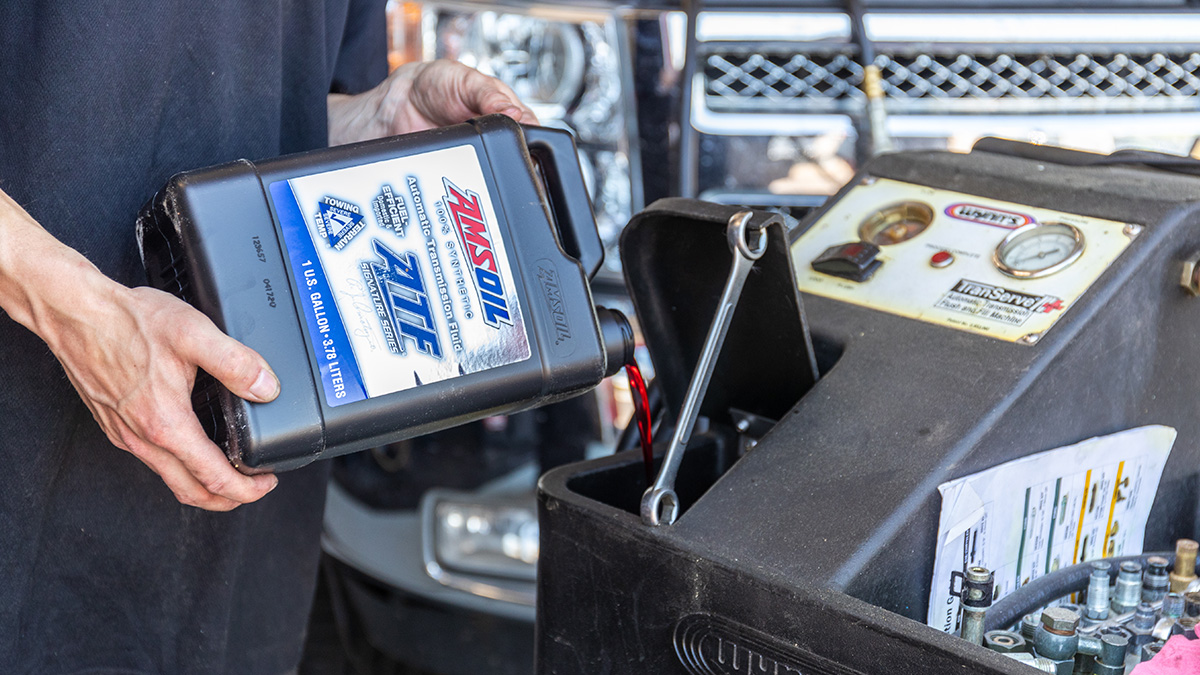
Imagine your vehicle’s transmission as a delicate symphony, where every note must resonate in perfect harmony. Just as musicians fine-tune their instruments to achieve sublime sound, so too must you regularly tend to your transmission fluid. In this intricate interaction of gears and cogs, the quality and condition of the transmission fluid serve as the maestro, ensuring a smooth and efficient performance. But how often should you change this crucial conductor? The answer is multifaceted, intertwining multiple factors that dictate the health of your engine’s transmission.
1. Understanding the Role of Transmission Fluid
To comprehend the frequency of fluid changes, we must first delve into its purpose. Transmission fluid not only lubricates the myriad gears but also cools the transmission and facilitates fluid coupling within the system. Moreover, it plays an integral role in hydraulic systems that engage the clutches and bands responsible for gear shifts. Neglecting its condition is akin to letting a musician play without tuning their instrument: the performance will falter, and so will your vehicle’s efficiency.
2. Identifying Fluid Types
The frequency of change is heavily influenced by the type of transmission fluid used. Automatic transmissions often require a different schedule than manual ones. Synthetic fluids, renowned for their superior performance, can extend intervals due to their resistance to breakdown under extreme conditions. Conversely, conventional transmission liquids may necessitate more regular maintenance to ensure the engine operates smoothly. Consulting your vehicle’s manual is essential; it serves as the sheet music guiding your symphony.
3. Manufacturer Recommendations
Every orchestra has its conductor, and in the realm of vehicle maintenance, your manufacturer’s recommendations are paramount. Most manufacturers suggest changing automatic transmission fluid every 30,000 to 60,000 miles. However, this guideline can vary based on driving conditions, vehicle type, and the individual driving style. If your vehicle is subjected to extreme conditions—such as frequent towing or stop-and-go traffic—the frequency may need to be adjusted, resembling a conductor accommodating a soloist’s needs during a performance.
4. Factors Influencing Change Frequency
Several influential elements determine the optimal frequency for changing transmission fluid:
- Driving Conditions: Urban environments where frequent stops and starts predominate create a harsher environment, leading to a faster degradation of fluid.
- Mileage and Usage: High mileage vehicles or those used for heavy-duty applications often experience accelerated wear.
- Fluid Color and Smell: Regularly check the fluid’s color and odor; a dark, burnt smell indicates the need for replacement.
5. Signs You Need a Change
In the harmony of your vehicle’s operation, discordant notes can signal the need for intervention. Pay close attention to the following signs:
- Slipping Gears: If gears struggle to engage, your fluid may be compromised.
- Delayed Engagement: A lag when shifting from park to drive can indicate low or degraded fluid.
- Noisy Transmission: Unusual sounds during operation may signify fluid inadequacy.
6. The Changing Process
When it comes to changing transmission fluid, think of it as a rite of passage for your vehicle. Begin by ensuring that you have the requisite tools: a wrench set, fluid container, and—most crucially—new transmission fluid. Start by warming the engine slightly to help the existing fluid flow more freely, then elevate the vehicle and drain the old fluid into a container. Once drained, replace the filter and refill with the new fluid. This meticulous process ensures the transmission’s symphony continues to resonate beautifully.
7. DIY vs. Professional Services
A prevailing question arises: should you undertake this task yourself or call in the professionals? While DIY oil changes can save you money, they demand a meticulous approach and adequate knowledge. Conversely, professional services offer peace of mind, as experienced technicians possess the expertise to identify potential issues beyond mere fluid replacement. Weighing these options is essential; in many cases, the symphony is better performed with a full orchestra at the helm.
8. Planning for the Future
Nurturing your vehicle’s transmission is not merely a matter of adhering to a schedule; it requires thoughtful foresight. Incorporating regular inspections into your maintenance routine will create a proactive approach, ensuring you catch potential problems before they escalate. Think of it as a conductor regularly rehearsing with their musicians—a continual commitment to excellence.
Conclusion
In the grand orchestra of automotive care, transmission fluid changes play a significant role in the harmony of your vehicle’s operation. By regularly assessing the condition of your fluid, understanding manufacturer guidelines, and remaining attentive to the signals your vehicle transmits, you can preserve the integrity of your engine’s transmission. The symphony of a well-maintained vehicle not only ensures a pleasurable driving experience but also extends its lifespan. Your diligence in this area pays dividends, transforming your vehicle into a finely tuned instrument ready to tackle any road ahead.










Leave a Comment