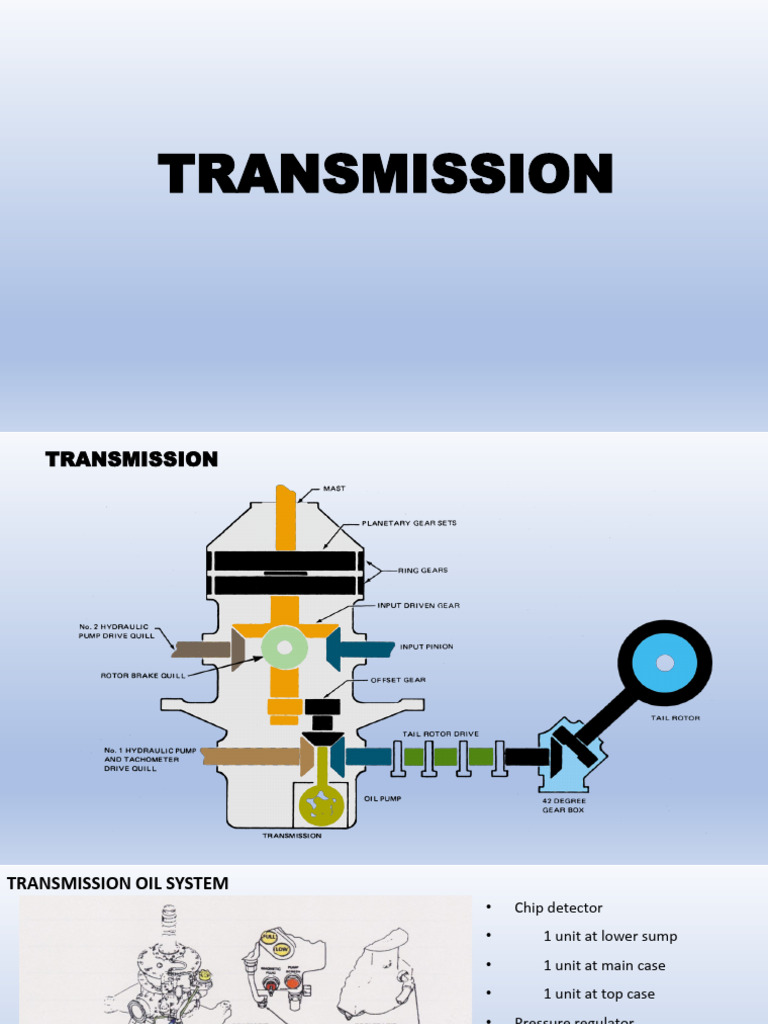
The intricate dance of a vehicle’s transmission system is akin to a masterful orchestra, where each component plays its role to achieve harmonious motion. Just as a maestro ensures that no instrument is overplayed or overshadowed, so too must a car owner pay close attention to the vital fluid that governs the performance of this mechanical symphony: transmission oil. While the specifics of how much oil your vehicle requires may vary, understanding the nuances of transmission maintenance can enhance longevity and prevent discord in operation.
1. Understanding Transmission Oil
Transmission oil, often referred to as transmission fluid, serves as the lifeblood within the transmission system. This fluid acts not only as a lubricant but also as a hydraulic medium that facilitates gear shifts. Much like the secret sauce in a gourmet recipe, the quality and quantity of this fluid can significantly affect the overall performance of your vehicle. Selecting the correct type—be it traditional, synthetic, or CVT—ensures optimal functionality and responsiveness.
2. Gauging the Right Amount
The question of “how much transmission oil” is as intricate as asking a painter how many strokes it takes to complete a masterpiece. Various factors play into this calculation:
- Vehicle Make and Model: Each car is designed with specific capacities in mind, often detailed in the owner’s manual. For instance, compact sedans typically require less fluid compared to larger SUVs or trucks, which need a more generous supply to operate efficiently.
- Transmission Type: Different transmission types, such as automatic, manual, or continuously variable transmissions (CVT), have unique fluid requirements. For example, while a traditional automatic transmission may require upwards of 12 quarts, a CVT could need significantly less.
- Fluid Change Frequency: Regular maintenance, including fluid checks and replacements, is akin to routine health check-ups. The amount of fluid needed for a simple top-off will differ from a full flush, which involves draining and replacing most of the existing fluid.
3. Checking Level and Quality
Before determining how much transmission oil to add, it is crucial to check both the level and the condition of the existing fluid. This process involves several methodical steps:
- Locate the Dipstick: In most automatic transmissions, a dipstick exists for checking fluid levels, much like inspecting the contents of a filling cabinet. Ensure the car is warm and parked on a level surface for an accurate reading.
- Assess the Color and Consistency: Fresh transmission fluid is typically a bright red, resembling fine liqueur. Over time, it darkens and may even develop a burnt smell—a sure sign that the fluid needs replacement.
- Measure Fluid Level: Remove the dipstick, wipe it clean, and reinsert it. Remove it again to measure the fluid level against the markers. A low reading may necessitate a top-up, while a high reading could indicate overfilling—a common mishap.
4. Adding Transmission Oil
Once level checks are done and you are armed with knowledge, the next step involves adding the necessary fluid. This is an exercise in precision:
- Select Appropriate Fluid: Verify compatibility with the specific needs of your vehicle; using the wrong type can lead to catastrophic failure—akin to serving the wrong wine with a five-star meal.
- Utilize a Funnel: To avoid spills that could lead to a slippery mishap, use a funnel to pour the fluid into the designated fill port, pouring slowly and attentively to prevent overflow.
- Monitor Levels Vigilantly: After adding, allow the vehicle to run for a brief period before checking the level again. This ensures that the oil is circulating throughout the system, filling all necessary cavities.
5. Signs of Transmission Issues
Maintaining ideal oil levels is paramount, but being vigilant about the performance of your transmission system is equally important. Watch for the following signs:
- Slipping Gears: A transmission that slips can feel like a musical performance going off-key, as the car may abruptly shift out of gear, causing delays and erratic movements.
- Unusual Noises: Grinding or whining sounds can indicate mechanical failure or insufficient lubrication. It’s crucial to address these auditory alarms before they crescendo into severe issues.
- Leaking Fluid: Puddles beneath the vehicle can signal fluid loss, a worrisome development that demands immediate attention. It’s essential to find and remedy the source of the leak to maintain a proper oil level.
Conclusion
The orchestration of transmission oil within your vehicle serves as a testament to the delicate interplay of engineering and maintenance. Understanding how much transmission oil to use, and when to check or replace it, is essential for ensuring that your automobile operates smoothly and efficiently. A regularly maintained transmission not only enhances performance but also contributes to the longevity of your vehicle, allowing it to serenade you with reliable journeys for years to come. Just as every musician knows their role in the symphony, so too must car owners become adept in the art of automotive care, celebrating the melodious relationship between vehicle and driver.








Leave a Comment