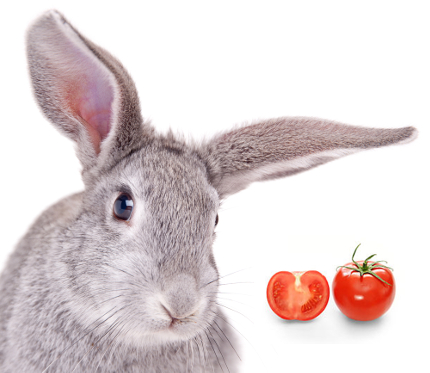
Rabbits are often celebrated for their sprightly antics and adorable demeanor, drawing the affection of pet owners and animal enthusiasts alike. As herbivores, their diet primarily consists of hay, fresh vegetables, and pellets. However, many proprietors of these delightful creatures frequently find themselves pondering the inquiry: Can rabbits have tomatoes? A nuanced understanding of this subject necessitates an examination of various factors, including the nutritional composition of tomatoes, their potential benefits and risks, and suitable serving methods for these cherished pets.
1. Nutritional Profile of Tomatoes
Tomatoes, scientifically classified as Solanum lycopersicum, are rich in several important nutrients. They comprise a bounty of vitamins, including vitamin C, which bolsters the immune system, and vitamin K, crucial for bone health. Additionally, tomatoes are laden with antioxidants such as lycopene, which is known for its anti-inflammatory properties. Notably, the moisture content is high, which can aid in hydration, particularly during warmer months. However, it is imperative to compare these benefits with the potential drawbacks.
2. The Controversial Nature of Tomatoes in a Rabbit’s Diet
While tomatoes do possess admirable nutritional qualities, they also belong to the nightshade family, which includes plants like potatoes and eggplants. Nightshade plants contain solanine and alkaloids, compounds that can be harmful to rabbits when ingested in substantial quantities. Given this classification, moderation is paramount. When considering the propriety of tomatoes in a rabbit’s diet, it is crucial to contemplate the most suitable portions.
3. Safe Portions and Serving Suggestions
When introducing tomatoes into the diet of a rabbit, it is advisable to proceed with caution. Generally, a slice of tomato or a small cherry tomato can serve as an occasional treat, rather than a regular dietary staple. This restrained approach helps mitigate potential adverse reactions while allowing the rabbit to enjoy a burst of flavor. Observe your rabbit’s response to tomatoes; if any signs of digestive upset occur, discontinue serving them immediately.
Moreover, it is beneficial to remove the stem and leaves before offering any part of the tomato to ensure safety, as these components may contain higher concentrations of harmful solanine.
4. Symptoms of Tomato Toxicity
Understanding the possible side effects of tomatoes is essential for conscientious rabbit care. Symptoms of toxicity or gastrointestinal distress can manifest in various ways, including:
- Diarrhea
- Vomiting
- Abdominal pain or bloating
- Reduced appetite
- Lethargy
If you observe any of these signs following the consumption of tomatoes, it is prudent to consult a veterinarian without delay. Prompt action can help avert severe complications.
5. Alternative Vegetables for Rabbits
Those seeking to diversify their rabbit’s vegetable repertoire might opt to explore other produce with lower risks and higher nutritional value. A few well-regarded choices include:
- Leafy Greens: Kale, romaine lettuce, and dandelion greens are excellent sources of vitamins.
- Carrots: While often associated with rabbits, they should be offered sparingly due to high sugar content.
- Bell Peppers: Rich in vitamin C, bell peppers can provide a sweet, crunchy treat without the risks associated with tomatoes.
These alternatives can help ensure a balanced and diverse diet, promoting overall health and well-being.
6. Hydration and Additional Treats
In addition to a proper diet, hydration plays an integral role in a rabbit’s health. Offering fresh, clean water daily is essential. In the warmer months, providing watery vegetables and fruits, like cucumbers and watermelon, can also enhance hydration. These options not only ensure fluid intake but also provide essential nutrients without the risks associated with nightshade plants.
7. Conclusion: Weighing the Risks and Benefits
In summary, the question of whether rabbits can have tomatoes is laden with considerations. While tomatoes can be a tasty, nutritious snack when served in moderation, their nightshade status introduces potential risks that should not be overlooked. Observant pet owners should always prioritize their rabbit’s health and well-being, carefully monitoring any dietary changes and being mindful of portion sizes. By providing a balanced diet rich in safe vegetables and fruits, one can ensure that these delightful creatures enjoy both a flavorful and nourishing diet. Ultimately, ensuring the longevity and vibrancy of our pets lies in the understanding and care we offer them.









Leave a Comment