The piano, a quintessential instrument in the realm of music, captivates both musicians and listeners alike. Its majestic appearance, elegant keys, and symphonic capabilities make it a favorite for composers and performers throughout history. One of the intriguing questions that often arises is: how many octaves are present on a piano? This question, while seemingly straightforward, opens a window into the fascinating world of musical structure, theory, and the piano’s evolution. Understanding the answer not only enriches our appreciation of this versatile instrument but also highlights the deeper layers of music itself, reflecting the complexity and beauty woven into sound.
To appreciate the question of octaves on a piano, one must first grasp the concept of an octave. In musical terms, an octave is the interval between one musical pitch and another with half or double its frequency. This relationship creates a unique resonance that is foundational to harmonic music. On a piano, octaves provide the scaffolding upon which melodies and harmonies are built, creating the rich tapestry of sounds that we experience in various musical genres.
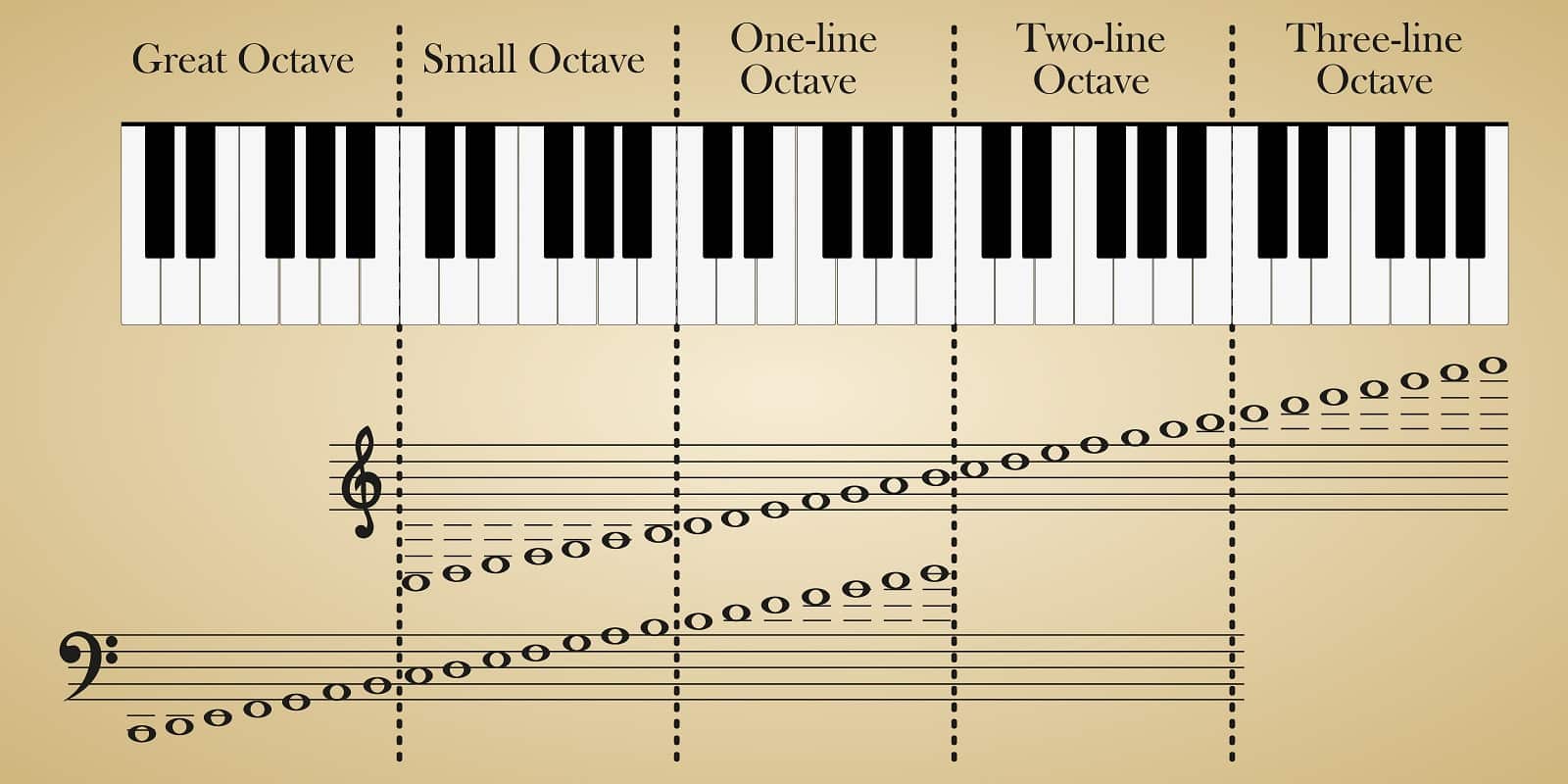
In standard form, an 88-key piano encompasses a total of seven full octaves plus a minor third, spanning from A0 (the lowest note) to C8 (the highest note). Each octave consists of twelve distinct pitches, comprising seven whole tones and five semitones, or black keys. The traditional arrangement establishes a captivating symmetry, leading to an auditory journey that is both familiar and nuanced.
When contemplating why the piano has become a popular choice for both amateur and professional musicians, one must consider its adaptability across myriad musical styles. From classical to jazz, pop to avant-garde, the piano embodies versatility. Each octave offers unique colorations, invigorating performances with varying dynamics and emotional expressiveness. Musicians can delve into different registers, allowing for exploration of treble and bass, heightening the overall musical experience.
The seven octaves of the piano can be examined more deeply. The first octave, spanning from A0 to A1, emits a profound depth that resonates with the lower frequencies of sound. It’s within this tonal range that the emotional weight of music often flourishes. Composers utilize these lower notes to evoke feelings of melancholy or grandeur, making the bass register an integral part of compositional techniques.
As we ascend to higher octaves, the brightness and clarity of sound become increasingly engaging. The treble range, particularly from C6 to C8, produces lighter and more effervescent tones, often associated with joyous or uplifting melodies. This interplay between the different octaves fosters creativity, opening avenues for experimentation as musicians weave intricate patterns and harmonies.
Interestingly, not all pianos conform to the traditional 88-key model. Smaller pianos, like console or digital pianos, often feature fewer octaves, typically ranging from 61 to 76 keys. These instruments may lack the expansive range of a concert grand piano, yet they still offer a robust foundation for music-making, closely resembling the harmonic structure of their larger counterparts. This adaptability underscores a significant point in understanding why octaves matter: they provide a framework within which creativity can flourish, regardless of the instrument’s physical attributes.
The diversity of octaves is further exemplified in the realm of contemporary music. Many genres increasingly incorporate synthesizers, which can generate sounds across an extensive pitch range. This melds traditional understanding with modern innovation, allowing musicians to transport listeners through expansive sonic landscapes. Electronic compositions often manipulate and stretch the octave definitions, introducing unique soundscapes that challenge conventional musical boundaries.
The fascination with octaves and their potential effect on human emotion is psychologically profound. Research suggests that particular pitches and intervals resonate more strongly with listeners, influencing our mood and state of being. The C4 note, often referred to as middle C, is particularly significant in this exploration as it is typically central to piano music and provides a grounding point for harmony and melody. Understanding how octaves relate to listener perception deepens one’s appreciation for the art of compositional design.
Moreover, understanding octaves on the piano illuminates the relationship between musical theory and practice. Whether one is studying classical repertoire or improvising in a jazz setting, awareness of octaves allows for more conscious choices in melody construction and harmonic accompaniment. Musicians armed with this octave knowledge can navigate through complex scores with agility, unlocking a deeper communicative potential in their performances.
In conclusion, the question of how many octaves are on a piano serves as an entry point into a mesmerizing exploration of music’s architecture. While a standard piano encompasses seven complete octaves plus a minor third, the implications of this range extend far beyond mere numbers. Understanding octaves enriches the musician’s experience, revealing pathways to creativity, emotional expression, and a deeper connection to the audience. As one contemplates the myriad possibilities within each octave, it becomes clear that the piano is not just an instrument; it is a gateway to a universe of sound, waiting to be explored with passion and curiosity.







Leave a Comment