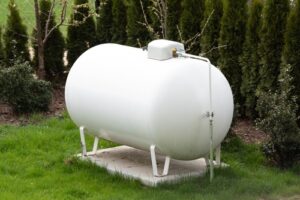
Have you ever pondered the curious question: can propane actually go bad? While it may seem like a simple query, it opens the door to a multitude of considerations surrounding the storage, stability, and usability of this versatile fuel. Propane is a staple energy source for outdoor grilling, heating, and even powering appliances, but how long can you rely on that half-full tank sitting in your garage? Let’s delve into this intricate subject.
Understanding the longevity of propane begins with its inherent chemical stability. Propane, a hydrocarbon gas, is typically stored in liquid form under pressure and is widely recognized for its combustion efficiency. Unlike other fuels, propane is not susceptible to spoilage in the conventional sense. Instead of rotting or decaying, its longevity raises eyebrow-raising inquiries: How does storage affect its integrity? Does it undergo any transformations over time? What should you know before igniting that dormant grill?
1. The Nature of Propane
Propane (C3H8) stands out for its simplicity and effectiveness as an energy source. It’s enabled by its molecular composition, which remains largely unchanged under optimal storage conditions. Unlike gasoline or diesel, which can undergo chemical reactions leading to degradation, propane maintains its composition unless contaminated. This aspect poses an important distinction in discussions about fuel stability.
2. Storage Considerations
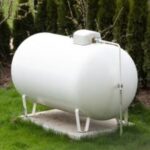
To assure the longevity of propane, proper storage is paramount. Propane tanks are designed to handle pressure and should be kept in a well-ventilated area away from direct sunlight. An often-overlooked factor is the tank’s age. Propane containers have a designated lifespan, usually deemed safe for up to 12 years before they require recertification. Thoughtful consideration of insufficient venting could ignite a fire or result in dangerous leaks—serious challenges that underscore the importance of adhering to storage guidelines.
3. Contamination is Key
Though propane itself doesn’t spoil, it can become tainted. This leads us to address a significant concern: how does contamination alter its usability? Propane is often treated with odorants to detect leaks, but water or other impurities can infiltrate the tank, particularly if the tank isn’t adequately sealed. Such contamination can lead to a host of issues, including the potential for equipment damage or, in the worst-case scenario, explosions. The question thus emerges: how can you assure the purity of your propane?
4. Signs of Propane Degradation
So, how can one identify that propane might be compromised? While rare, certain indicators can showcase the need for caution. Unusual odors—beyond the characteristic odorant—could signal leaks or contamination. Additionally, inefficiency in flame characteristics during use, such as sputtering or irregular combustion, warrants immediate attention. Taking proactive steps to investigate and remedy these signs can prevent a minor inconvenience from spiraling into a hazardous situation.
5. Guidelines for Safe Use
When delving into the realm of propane consumption, users must embrace best practices for safety and efficiency. Keep these essential guidelines in mind:
- Regular Inspections: Routinely check your tanks for rust, corrosion, or signs of wear and tear.
- Maintain Proper Ventilation: Always ensure that your propane appliances are installed and operated in adequately ventilated areas to mitigate risks of carbon monoxide buildup.
- Test for Leaks: Utilize a soap and water solution to detect leaks by observing for bubbling at connection points.
- Educate Yourself: Familiarize yourself with safety protocols specific to propane usage, including understanding the emergency shut-off procedures.
6. The Life Cycle of Propane
Being an astute consumer, one may reflect on when to replace that long-cherished tank. While propane doesn’t deteriorate, it’s critical to recognize its life cycle. Many tanks come with a timestamp, and even if the propane seems usable, the tank itself may be nearing the end of its serviceable life. Do you really want to gamble with safety? Understanding these timelines will undoubtedly affect your decision-making regarding tank replacement and maintenance.
Conclusion
In conclusion, though it may be perplexing at first, the reality is that propane is not prone to spoiling in traditional terms. With proper storage practices, awareness of contamination risks, and adherence to safety guidelines, propane remains a reliable energy source. Yet, navigating the complexities surrounding its usage requires vigilance and precaution. As you contemplate the state of that dormant tank in your garage, remember this journey through the fascinating world of propane; with it comes a ringing endorsement for safety and informed choices. Ultimately, knowing the ins and outs of propane empowers you to harness its potential fully—both safely and effectively.







Leave a Comment