In the intricate landscape of labor law and employer-employee relationships, an alarming spectacle often unfolds: employers engaging in the dubious practice of clocking out their employees. What might initially seem like a harmless manipulation can spiral into significant legal repercussions and ethical dilemmas. But what really happens when an employer fraudulently clocks out an employee? Is it just a harmless white lie, or does it lead to substantial penalties that reverberate throughout the workplace ecosystem?
Understanding the ramifications of such actions is paramount, not only for the affected employees but also for the organizations that employ such tactics. The stakes are high, indeed! Let’s delve into the multifaceted penalties and repercussions that emerge from this perplexing scenario.
1. Breaking Down the Legal Framework
At the core of the issue lies the Fair Labor Standards Act (FLSA), which mandates that employees must be compensated for all hours worked. Any employer who clocks out an employee without their consent or accurate reporting transgresses this law. In such instances, the employer might face significant penalties including fines and even back pay for hours unlawfully deducted.
2. Financial Repercussions for Employers
Fines are just the tip of the iceberg. Employers found guilty of clocking out employees may also be subjected to statutory penalties, which can mount into the thousands of dollars, depending on the number of violations. Moreover, if the transgression is deemed willful—where employers knowingly engage in deceptive practices—they may face even steeper fines.
3. The Dreadful Ripple Effect on Payroll
Clocking out employees incorrectly can wreak havoc on payroll systems. For instance, if hours are misrepresented, the payroll department must then reconcile discrepancies, resulting in delayed wages for employees. Such delays can lead to discontent and a decline in morale, fostering an atmosphere ripe for workplace discord.
4. Legal Action: The Inevitable Litigation
When employees discover they’ve been falsely clocked out, they may seek restitution through legal channels. This could manifest as individual lawsuits or as part of a class action, especially if multiple employees are affected. Legal proceedings can become costly and lead to an erosion of the company’s reputation, which can result in long-term damage to the business’s standing in the industry.
5. Investigations by the Department of Labor
The specter of government scrutiny looms ominously over employers who indulge in such deceptive clocking practices. The Department of Labor (DOL) has the authority to investigate complaints related to wage and hour violations. Companies found at fault may be compelled to undergo audits, which can disrupt daily operations and tarnish their public image.
6. Loss of Employee Trust and Morale
Beyond legal penalties, the impact on workplace culture should not be underestimated. When employees feel exploited, trust erodes, and the sense of community within the organization disintegrates. This atmosphere of distrust can lead to increased turnover rates, as employees may seek more equitable workplaces. High turnover comes with its own set of costs, from retraining new hires to loss of institutional knowledge.
7. Damage to Business Reputation
In today’s interconnected world, a company’s reputation is paramount. Reports of unethical labor practices can easily become public knowledge through social media and employee reviews on platforms like Glassdoor. A tarnished reputation can deter potential employees and clients alike, leading to a decline in business opportunities.
8. Steps Employers Can Take to Remediate the Situation
The realization of misconduct often triggers a reckoning. Employers can take proactive steps to rectify situations in which clocking practices have gone awry. This might include auditing their payroll processes, implementing more robust time-tracking systems, and fostering a culture of transparency. By openly communicating with employees and making amends, organizations can begin to restore trust and encourage loyalty.
9. Preventative Measures for Employers
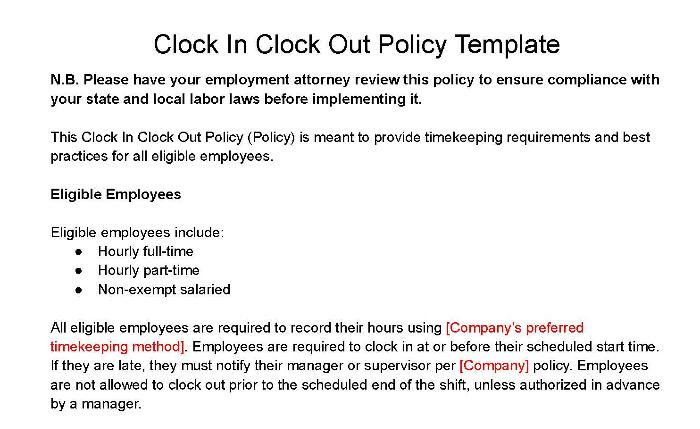
To mitigate the risk of falling into the abyss of unethical practices, employers should adopt well-defined protocols. Establishing clear policies regarding timekeeping and wage documentation establishes accountability at multiple levels. Regular training sessions can be held to ensure all supervisors and managers understand the importance of compliance with labor laws and the ramifications of violations.
10. Conclusion: Embracing Ethical Practices
Ultimately, while the temptation to manipulate timekeeping may seem like an innocuous shortcut, it harbors profound implications. The potential for legal penalties, financial ramifications, and damage to workplace morale presents a formidable challenge that no employer should take lightly. By fostering an environment of integrity and ethical practice, employers not only safeguard against legal consequences but also cultivate a thriving workplace culture. So, the next time employers contemplate clocking out an employee, they should ask themselves: is the risk worth the potential fallout? In the long run, strong ethical foundations yield greater rewards.











Leave a Comment