When it comes to the intricate mechanics of a vehicle, few components are as crucial as the timing belt. Often overshadowed by more visible elements under the hood, the timing belt orchestrates the symphony of your engine’s operations. A malfunctioning timing belt can lead to catastrophic engine failures, hence understanding the symptoms of a worn or failing timing belt is paramount for any vehicle owner. In this article, we delve into the key indicators that signal a timing belt issue and provide insights to help you maintain your vehicle in optimal condition.
1. Engine Warning Light Activation
One of the most immediate signs of a timing belt problem is the activation of the engine warning light on your dashboard. This light may illuminate due to various engine issues, including timing belt concerns. While it may not solely diagnose a timing belt issue, its presence should be taken seriously. A comprehensive diagnostic tool can provide specific error codes, guiding you to the root cause of the problem.
2. Irregular Engine Noises
The sound of your engine can often speak volumes about its health. A deteriorating timing belt may produce a distinctive ticking or slapping noise, which is quite jarring. This noise often emerges when the belt becomes loose or frayed. If the tension in the timing belt is compromised, it can rub against components it shouldn’t, leading to wear and an unsettling mechanical clatter. Listening for abnormal sounds can be your first line of defense against significant engine troubles.
3. Engine Misfires
As the timing belt plays a crucial role in synchronizing the crankshaft and camshaft, any discrepancies in its functionality can lead to engine misfires. You may experience a loss of power or the engine stalling at inopportune moments. Misfires occur when the engine’s firing order is disrupted, an unfortunate side effect of incorrect timing belt tension or alignment. This not only affects performance but can also leave your vehicle susceptible to further mechanical hazards.
4. Decreased Acceleration
Fluid acceleration is a hallmark of a well-functioning car. If you notice a decline in your vehicle’s pick-up speed or an overall sluggish performance, a faulty timing belt may be the culprit. A compromised belt can hinder the precise timing required for optimal combustion, leading to diminished acceleration. It’s essential to address this promptly to avoid further aggravating the problem.
5. Visible Damage to the Timing Belt
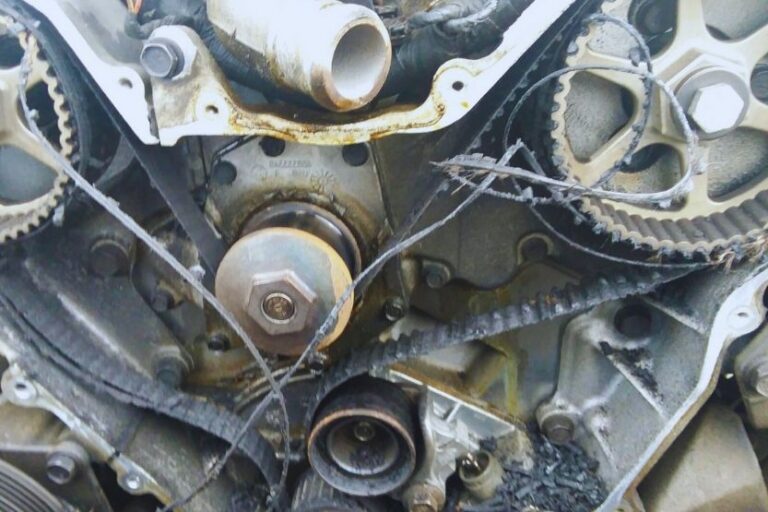
Visual inspection can often reveal the state of the timing belt. Look for signs of wear and tear such as cracks, fraying, or glazing. A belt that appears shiny may be indicative of overheating. Additionally, a timing belt that has become warped or bulging shows signs of significant distress. If such manifestations are visible, it is advisable to consider a replacement to avert imminent failure.
6. Oil Leaks
Uncommon as it may seem, oil leaks can also suggest timing belt issues. Sometimes, the timing belt cover can become damaged, leading to leakage. If you observe engine oil pooling under your car or seeping near the timing belt area, it warrants immediate attention. Oil can accelerate the deterioration of your timing belt, exacerbating the already precarious situation. Addressing any such leak is essential for the integrity of both the timing belt and your engine.
7. Engine Overheating
Overheating engines can be attributed to various factors, one of which could be a malfunctioning timing belt. When the timing belt stretches or slips, it may fail to effectively manage the engine’s timing, preventing optimal cooling. If your vehicle frequently overheats, it’s vital to investigate the timing belt’s condition, along with other cooling system components, to prevent further damage to the engine.
8. Timing Belt Age and Mileage
Every timing belt has a specific lifespan, often ranging between 60,000 to 100,000 miles, depending on the manufacturer’s guidelines. Even without noticeable symptoms, it’s prudent to observe the age and mileage of your vehicle’s timing belt. A belt that has surpassed its expected lifespan, regardless of its appearance, should be replaced as a preventative measure. Waiting for symptoms to manifest can lead to untimely and costly repairs.
Conclusion
In summary, maintenance of the timing belt is critical for the health of your engine. From engine warning lights to unusual noises, being attentive to the symptoms outlined in this article can save you from significant automotive disasters. Regularly inspecting your timing belt and adhering to replacement recommendations can prolong the life of your vehicle. Remember, well-timed maintenance is key to a reliable driving experience, ensuring that every journey remains safe and smooth.










Leave a Comment