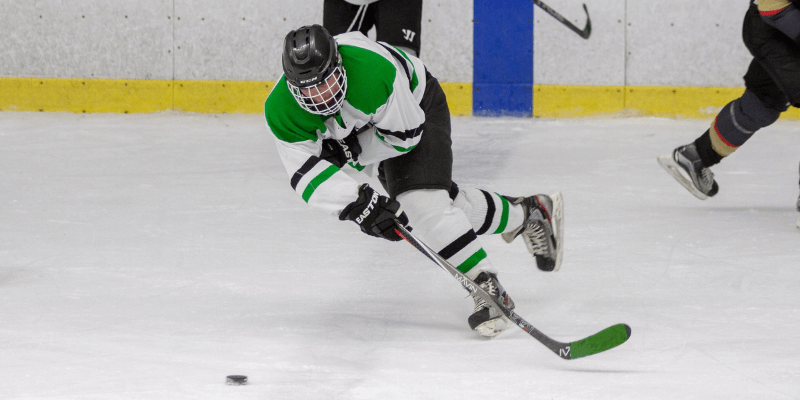
When delving into the framework of ice hockey, one might find themselves pondering the quintessential question: How long is a hockey game? The answer, though seemingly straightforward, unveils layers of complexity that merit exploration. This inquiry does not merely seek a number but invites fans and curious onlookers alike to appreciate the intricate tapestry of rules, regulations, and traditions that compose the sport. By understanding the structure of a hockey game, one gains not only insight into time management but also appreciates the strategic nuances that define this exhilarating sport.
The core of a professional ice hockey game consists of three regulation periods, each lasting 20 minutes. However, this simplistic calculation of 60 minutes does not capture the entirety of the experience. Understanding the nuances requires a closer examination of stoppage time, overtime, and the often-overlooked intermissions.
First, let’s dissect the very nature of a hockey period. Each period is built around continuous play, interrupted only by fouls, goals, and strategic timeouts. This means that though the clock counts down from 20 minutes, the actual time spent with active play can fluctuate dramatically. The essence of the game is its dynamic pace; players skate relentlessly, seizing opportunities to outmaneuver opponents while strategizing their next moves. However, when play is halted, the clock continues its inexorable march toward zero.
Moreover, each game is punctuated by two intermissions, each lasting a minimum of 15 minutes. These breaks not only allow players to recuperate and strategize but also provide fans moments to reflect on the drama unfolding on the ice. The intermission is a period of anticipation, where the tension of the first half melds with the hope for the thrilling second act. Thus, the total elapsed time of a game expands significantly beyond that 60-minute limit, making the experience far richer.
In the event of a tie at the conclusion of regulation time, the next chapter of the game begins: overtime. This phase is equally captivating, offering fans a sudden-death scenario in regular season games, where the first team to score emerges victorious. Overtime in the NHL lasts for 5 minutes and is played with three skaters and a goaltender for each team, amplifying the intensity and urgency. If no one scores during this brief but frenetic period, the game culminates in a shootout, adding an exhilarating finality to the day’s contest.
Understanding the breakdown thus far—60 minutes of regulation, 30 minutes of intermission, potential overtime, and a possible shootout—provides a clearer picture of the time commitment spectators and players alike must navigate. Yet one must also consider the fans’ experience. The atmosphere of a hockey game involves not just the excitement of the play but the rituals that happen in between. Cheerleading, the fervent chants of dedicated fans, and the dramatic lighting effects enhance the spectacle, making each game more than just a battle on ice.
In contrast, it’s essential to consider various levels of hockey, such as junior leagues or recreational play, where games may adhere to different timeframes and structural expectations. For example, youth hockey typically involves shorter game periods, often favoring 15-minute periods to accommodate younger players and maintain high energy throughout. As one ascends the echelons of the sport, expectations change, and with them, the duration and intensity of games mature.
Historically, ice hockey itself has undergone temporal transformations. The evolution of the game’s structure, influenced by television schedules and fan engagement, undoubtedly shapes how time is perceived within the sport. The concept of time management, a vital component for teams vying for victory, extends beyond mere seconds and minutes; it includes the strategic orchestration of player deployments, power plays, and the meticulous crafting of goal-scoring opportunities.
Understanding the time structure of a hockey game invites a deeper appreciation for the sport itself. The feeling of exhilaration that surges through fans as the clock ticks down in a crucial moment hinges on more than just a numerical answer; it embodies the anticipation, the stakes, and the raw emotion interwoven in every match. Thus, asking how long a hockey game lasts opens a dialogue that stretches into realms of strategy, athleticism, and the emotional investment of fans and players alike.
As the final buzzer sounds, the realization crystallizes—hockey is a multifaceted experience measured not just in minutes but in the profound emotional engagement it fosters. Whether it be the raucous cheers that echo off the ice or the nail-biting tension that grips a tied game, the true essence of hockey transcends the mere counting of time. It is a testament to the enduring spirit of competition and passion that captivates millions around the world. So, the next time you watch a hockey game, remember: it is not only about how long it lasts, but how richly it unfolds, each moment brimming with excitement and anticipation.







Leave a Comment