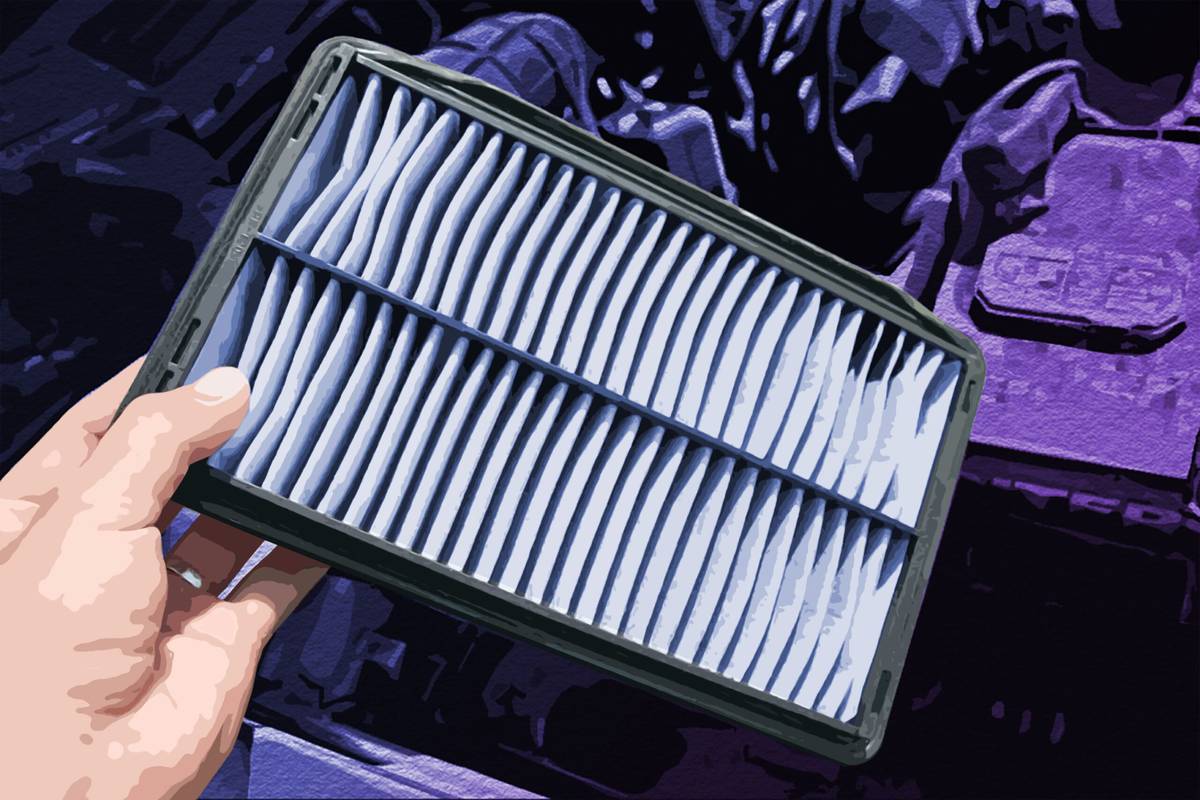
When it comes to maintaining a vehicle, the engine air filter often flies under the radar, yet its importance cannot be overstated. Considered a linchpin in your car’s filtration system, the engine air filter safeguards the engine from contaminants and enables optimal airflow. How often should it be replaced? This pivotal question looms large for vehicle owners, yet the answer is rarely straightforward. Various factors contribute to determining the frequency of air filter replacement, each laden with implications for your vehicle’s performance, longevity, and efficiency.
As a general rule of thumb, many manufacturers recommend changing the engine air filter every 15,000 to 30,000 miles, but this guideline can morph depending on numerous conditions. Recognizing the specific environment in which you drive, your vehicle’s make and model, and your driving habits is paramount for making an informed decision. In this comprehensive guide, we will explore the intricacies of engine air filter maintenance and the compelling reasons behind the necessity of regular replacement.
1. Understanding the Engine Air Filter
The engine air filter acts as a barrier, preventing dirt, dust, and debris from infiltrating the engine’s combustion chamber. When clean air flows into the engine, combustion becomes more efficient, maximizing power and performance. A compromised air filter can impede this flow, leading to suboptimal fuel efficiency and diminished engine power.
2. Signs Your Air Filter Needs Replacement
- Reduced Engine Performance: If you notice sluggish acceleration or a decrease in overall power, the air filter may be clogged.
- Lower Fuel Efficiency: A dirty air filter can cause the engine to work harder, resulting in increased fuel consumption.
- Unusual Engine Sounds: An obstructed air filter can lead to irregular engine noises, indicating a struggle to intake air.
- Check Engine Light: In some cases, a malfunctioning air filter can trigger the check engine light, signaling a need for inspection.
3. Factors Affecting Air Filter Longevity
While the mileage guideline serves as a broad framework, several underlying factors can substantially alter the lifespan of an engine air filter:
- Driving Environment: Frequent drives in urban areas, particularly those with high dust levels or pollution, may hasten the need for replacement.
- Driving Habits: Stop-and-go traffic or aggressive driving can exacerbate air filter wear and dirt accumulation.
- Type of Air Filter: Different materials offer varying degrees of filtration efficiency. High-quality filters may last longer than standard ones.
- Seasonal Changes: During fall, leaves and debris can infiltrate the air intake, necessitating more frequent checks and replacements.
4. Checking the Air Filter
Routine inspections of the air filter are vital for maintaining engine health. Home mechanics can often perform this simple task. To check the air filter, locate it—typically housed in a black plastic box near the engine—and assess its condition. If it appears discolored, dirty, or clogged, it is likely time for a replacement. In some vehicles, it’s advisable to replace the air filter during scheduled maintenance appointments, such as oil changes.
5. Benefits of Timely Replacement
Regularly replacing the engine air filter yields numerous benefits that resonate beyond merely allowing the engine to breathe properly:
- Enhanced Fuel Efficiency: A clean air filter promotes optimal combustion, maximally utilizing fuel and lowering operating costs.
- Prolonged Engine Life: Minimizing the ingress of pollutants can significantly extend the lifespan of your engine and related components.
- Improved Emissions: Efficient combustion leads to a reduction in harmful emissions, contributing to environmental protection.
- Cost-Effectiveness: Addressing issues early saves on more extensive repairs down the line, making regular filter checks a financially sound practice.
6. DIY vs. Professional Replacement
Choosing between a DIY replacement or seeking professional assistance can be a pivotal decision. Replacing the engine air filter is often straightforward, allowing enterprising vehicle owners to undertake the task independently. Online tutorials and guides can demystify the process. However, professional mechanics offer expertise and assurance, particularly for those unfamiliar with automotive maintenance. Balance your comfort level with the importance of executing the replacement correctly.
7. When in Doubt, Consult the Owner’s Manual
Your vehicle’s owner’s manual is an invaluable resource. It provides manufacturer-specific recommendations regarding air filter replacement intervals and recommended filter types. Following these guidelines is crucial for preserving your vehicle’s warranty and ensuring optimal performance. Familiarizing yourself with this manual can enhance your understanding of what your vehicle truly needs.
In conclusion, while the necessity of changing an engine air filter might seem like a mundane aspect of car maintenance, it harbors profound implications for vehicle performance and longevity. By considering various factors such as driving conditions, vehicle type, and personal driving habits, one can develop a tailored approach to air filter maintenance. Regular checks and timely replacements can save not only money but also spare you the frustrations of poor engine performance. Ultimately, understanding the intricate relationship between the air filter and engine health can deepen your appreciation for one of the less glamorous yet essential components in the world of automotive care.







Leave a Comment