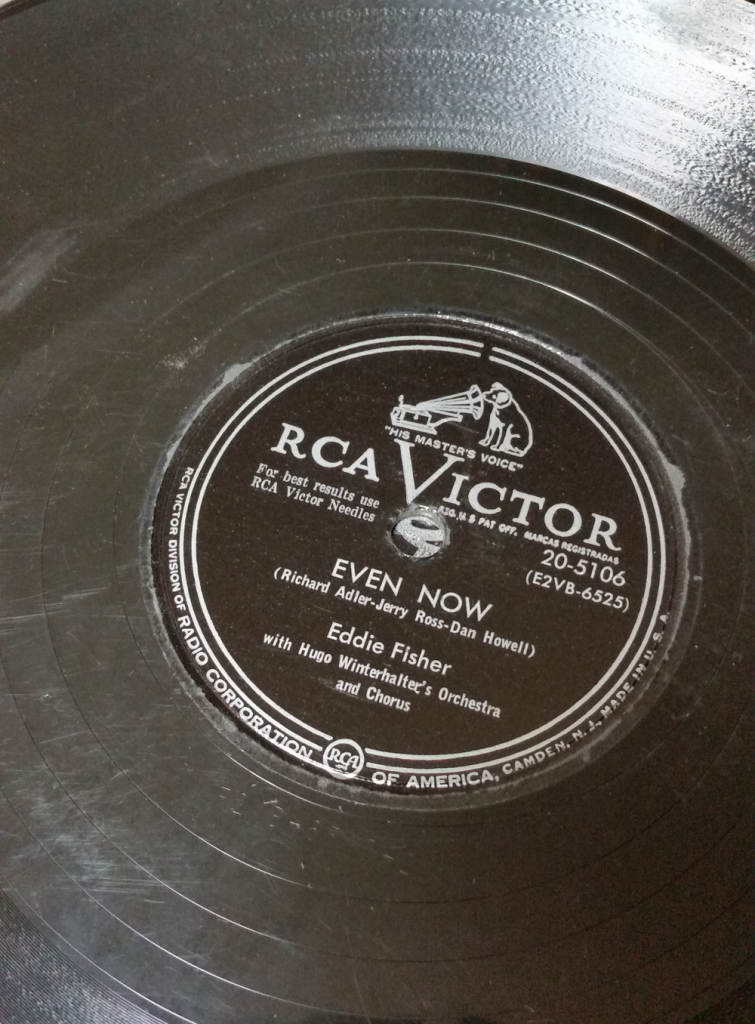
In a world where digital sounds pulse through the air like ephemeral wisps of smoke, the age-old charm of 78 RPM records stands as a testament to a bygone era of music. These discs, often resembling treasure troves of cultural significance, encapsulate not merely sound but the very essence of the history that birthed them. As we embark on the intricate journey of recording 78 RPM records, let us explore its multifaceted dimensions, from historical context to technical mastery, unraveling the unique allure these records hold.
1. Understanding the 78 RPM Format
The term “78 RPM” refers to the revolutions per minute at which these records rotate. Introduced in the late 19th century, this format heralded a new age in audio recording. Unlike modern vinyl records that whisper sound over grooves carved into pliable material, 78s are typically made from brittle shellac, a complex resin that offers a clamorous yet intimate listening experience. Envision them as time capsules, where every crack and pop tells a story woven into the fabric of the past.
2. The Historical Significance
To grasp the significance of 78 RPM records is to journey through time. From the roaring twenties to the post-war years, these records were the conduit through which the emergence of jazz, blues, and swing music rippled across the cultural landscape. Each spin brings forth a resonance, a heartbeat of society as it danced and swayed to the syncopations of a new sound. The sheer nostalgia they evoke is akin to opening a weathered book, the pages yellowed yet vibrant with life.
3. The Recording Process
Recording a 78 RPM record is an art form that finely balances precision and spontaneity. The journey begins in a studio, often adorned with vintage microphones and recording equipment reminiscent of a time when sound was captured with care. Unlike modern multitrack methods, the recording of 78s tends to be a live affair, where musicians gather in one space, often with limited takes—a process that evokes the raw spirit of performance: unfiltered, urgent, and alive. The mic placement becomes crucial; it captures not just sound waves but the very atmosphere of the moment, akin to a painter selecting the perfect palette to depict a scene.
4. Equipment Essentials
When delving into the realm of 78 RPM recording, the equipment employed evokes the reverence of crafting a traditional instrument. A vintage phonograph with a sturdy turntable ensures authenticity, as does a high-quality cutting lathe, which carves audio vibrations into the master disc. Coupled with microphones sensitive enough to tease out the timbre of instruments, one may think of them as keys that unlock the door to an auditory palace. An understanding of acoustics becomes imperative; the natural reverberations in the recording space blend harmoniously, creating a sonorous tapestry rich in texture and depth.
5. The Art of Playback
To listen to a 78 RPM record is to embark on a tactile journey. The process of playback is not merely pressing play; it is akin to unearthing a buried artifact. Carefully handling the fragile shellac requires a gentleness that preserves its integrity, while the turntable’s stylus delicately traces the grooves—a dance of friction and harmony that pulls the listener into its embrace. The resulting sound, with its hisses and pops, is a reminder that perfection lies not in flawlessness but in authenticity. Each listening experience is drenched in a warmth that transcends the icy precision of digital formats.
6. The Collector’s Passion
In the age of instant gratification, the allure of collecting 78 RPM records has not waned. For many aficionados, the thrill lies in the hunt, akin to treasure hunting on a grand scale. Each record in a collection is not merely a piece of vinyl; it is a narrative woven through notes and lyrics, a fragment of history yearning to be rediscovered. Enthusiasts often recount tales of stumbling upon rare releases at flea markets or antique shops, their voices akin to explorers recounting their heroic quests. The emotional connection forged with each disc transforms collecting into a pilgrimage of sorts—a reverent journey to honor the musicians and eras that birthed these melodic masterpieces.
7. Challenges and Preservation
However, the path to recording and preserving 78 RPM records is strewn with challenges. The inherent fragility of shellac necessitates careful handling to prevent shattering or warping. Furthermore, environmental factors such as humidity and temperature fluctuations can degrade these discs over time. Collectors and recordists must adopt a meticulous approach to storage, creating a sanctuary for each record—a climate-controlled environment where the echoes of the past can linger undisturbed.
8. The Enduring Legacy
As we reflect on the enchanting realm of 78 RPM records, we recognize that their charm lies not just in the music they hold but in the stories they tell. The crackling ambiance, the palpable human emotion captured in each note—they weave together a soundscape that resonates deeply within our collective consciousness. In an era where the ephemeral reigns supreme, the enduring legacy of 78 RPM records provides a tangible connection to the past, a thread weaving through history, music, and nostalgia.
In closing, the act of recording and cherishing 78 RPM records transcends mere technology; it becomes an exploration of artistic expression and cultural heritage. Each moment spent recording or listening offers a glimpse into the lives intertwined with the grooves, echoing the sentiments of yesteryears as they dance through our contemporary existence. As we continue to rediscover and celebrate their unique allure, we ensure that their music—vivid and eternal—remains a cherished accompaniment to the tapestry of time.








Leave a Comment