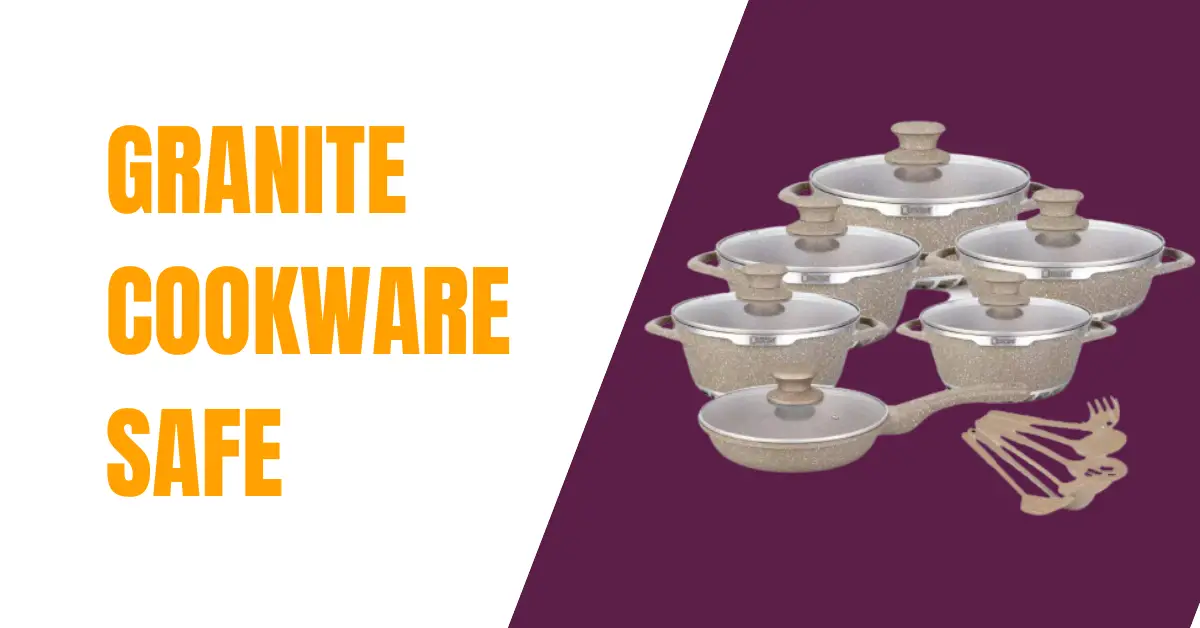
Granite cookware has gained considerable attention in recent years, evoking curiosity among home chefs and culinary enthusiasts alike. It presents a compelling juxtaposition of elegance and functionality, transforming ordinary cooking experiences into delightful culinary adventures. However, amidst the fascination with its aesthetic appeal and purported benefits, a more pressing question emerges: Is granite cookware truly safe for daily use? This article will delve into the safety aspects surrounding granite cookware, exploring both its composition and the implications of its use.
1. Understanding Granite Cookware
At first glance, granite cookware captivates with its sleek surface and rich colors, which are not derived from actual granite stone. Rather, this cookware is typically a base of metal—such as aluminum or steel—coated with a layer of natural granite stone. The allure lies primarily in its non-stick capabilities and durability. The process of manufacturing involves bonding natural minerals to the base material, creating a robust and aesthetically pleasing product. But how does this construction impact safety?
2. Non-Toxic Composition
One of the standout features of granite cookware is its claim of being non-toxic. Unlike traditional non-stick cookware that may contain harmful chemicals such as PFOA and PFOS, granite cookware purportedly uses a ceramic non-stick coating that does not release toxic substances upon heating. This significant advantage poses granite cookware as a healthier alternative for those conscious about chemical exposure in their cooking ware.
3. Potential Concerns: Heavy Metals
However, a closer examination raises questions regarding the potential leaching of heavy metals from the cookware. The manufacturing process can sometimes involve trace elements of lead and cadmium. While reputable brands adhere to strict safety regulations and standards, it is prudent for consumers to conduct due diligence. Opting for cookware that is certified free from these hazardous substances enhances safety assurance.
4. Durability and Longevity
The longevity of granite cookware contributes to its safety profile. A well-maintained piece of granite cookware can last for years without compromising its integrity. Ceramic coatings are less prone to scratching, which can be a concern with traditional non-stick materials. Scratches can lead to the release of harmful substances. Lightweight yet durable, granite cookware provides both ease of use and a minimized risk of deterioration that can affect cooking safety.
5. Heat Resistance
A distinctive quality of granite cookware is its remarkable heat retention and distribution properties. This quality not only enhances cooking efficiency but also reduces the likelihood of overheating, which can degrade non-stick coatings in inferior cookware. When subjected to high temperatures, good-quality granite does not warp or buckle, hence maintaining a safe cooking environment.
6. The Use of Utensils
To maximize the lifespan of granite cookware, the choice of utensils plays a pivotal role. Employing wooden or silicone utensils prevents scratches, protecting the surface and preserving its non-stick properties. Metal utensils could jeopardize the integrity of the coating, complicating safety concerns over time. Therefore, investing in appropriate utensils is essential for maintaining the cookware’s aesthetic and functional qualities.
7. Proper Maintenance and Cleaning
Caring for granite cookware is integral to ensuring its safety and longevity. A gentle cleaning regimen—using a soft sponge and mild detergents—prevents damage to the non-stick coating. Avoid abrasive cleaners that can chip away at the surface. Furthermore, always allow cookware to cool before washing; sudden temperature changes can compromise integrity. By following these maintenance protocols, one can enjoy peace of mind in knowing that their cookware remains safe for culinary creations.
8. Potential Alternatives
For those who remain skeptical about granite cookware, alternatives abound. Options such as stainless steel, cast iron, or high-quality ceramic cookware offer varying levels of safety and functionality. Each has unique properties that meet different culinary needs. Nevertheless, the choice ultimately hinges on individual preferences, cooking habits, and safety considerations. Granite cookware, with its potential advantages, continues to stand out as a discerning option for health-conscious food enthusiasts.
9. The Bottom Line: Why Granite Cookware Shines
In summation, granite cookware possesses a harmonious blend of aesthetic appeal and functional benefits. Its non-toxic ceramic coating presents a substantial advantage over other non-stick options, while its durability and heat resistance contribute positively to safety. Yet, consumers must remain vigilant, ensuring they select high-quality products from reputable manufacturers to mitigate concerns over heavy metals. By understanding the intricacies of granite cookware, culinary aficionados can confidently incorporate it into their kitchens, transforming meals into memorable experiences, all while prioritizing safety.
As you embark on your culinary journey, remember that selecting the right cookware is as vital as the ingredients you choose. Granite cookware embodies an amalgamation of beauty and practicality; when used with care, it can enhance your cooking experience while safeguarding your health. Embrace the sophistication and versatility it offers, and enjoy crafting delectable dishes with peace of mind.











Leave a Comment