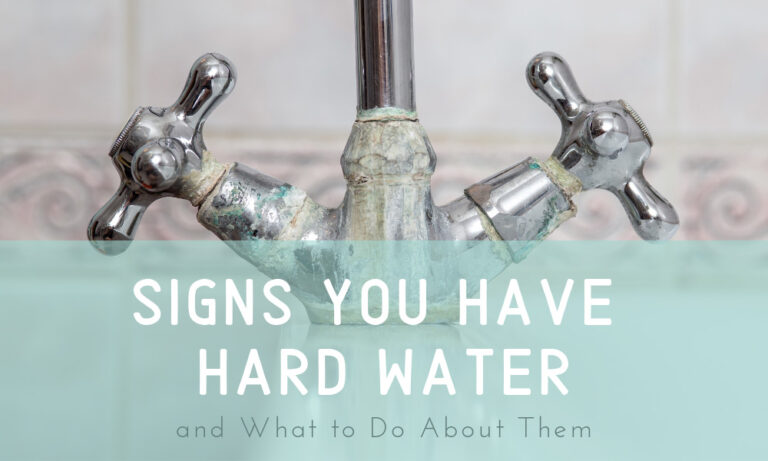
In the intricate tapestry of our daily lives, water serves as the oft-underappreciated thread that weaves together our experiences, from refreshing morning showers to the gentle sound of rain pattering against the roof. However, lurking within this essential element lies a hidden complexity that can disrupt our routines: hard water. Understanding whether your home is afflicted by hard water is akin to deciphering a secret language; it requires attentive observation and a few investigative techniques. Allow this guide to illuminate the signs, symptoms, and tests that will help you uncover the truth about your water quality.
The Essence of Hard Water
Hard water is deceptively simple in its composition, typically characterized by elevated levels of minerals, primarily calcium and magnesium. Like an uninvited guest at a party, these minerals can leave unsightly marks on our lives, from the look of fixtures to the feel of our hair. In essence, hard water is not merely a nuisance; it can be a problem that ripples through various aspects of daily living.
Signs and Symptoms
1. Soap Scum and Residue: One glaring indication of hard water is the persistent presence of soap scum, a slippery film that clings to your shower walls and bath fixtures like an unwelcome reminder of mineral deposits. This residue clogs drains, dulls the sparkle of faucets, and leaves a puzzling trail in its wake.
2. Clothes Dullness: If your laundry is losing its luster, hard water may be the culprit. Fabrics washed in hard water can become grayed and stiff, as if they were wrapped in a curtain of mineral haze, resistant to the brightening effects of detergent. Clothes can feel less fresh, showcasing an unyielding stiffness that detracts from their comfort.
3. Faded Hair Color: For the hair-conscious, those vibrant hues may fall prey to the clutches of hard water. The minerals can coat strands, dulling their brilliance and leaving behind an unshakable residue, much like a perennial fog that dulls the vibrancy of a landscape. This can be especially troublesome for those who invest time and money into maintaining radiant color treatments.
4. Skin Complaints: Have you experienced itchy skin or exacerbated eczema post-shower? The mineral content in hard water can strip the skin of its natural moisture barrier, leaving it parched and irritated. This interaction can feel akin to sandpaper against your skin, never quite alleviating the refreshing sensation one seeks from water.
5. Longer Drying Times: Observing water droplets languidly lingering on dishes after a wash? Hard water often leaves them with a coat of mineral armor that is slow to evaporate. Thus, drying times stretch, transforming a simple chore into an unwelcome delay.
6. Appliance Wear and Tear: Hard water may leave your appliances feeling more burdened than they ought to be. Dishwashers and water heaters can develop scale buildup, much like a hoarder accumulating unnecessary items. This can lead to increased energy costs and the potential for premature appliance failure.
Testing for Hard Water
Before jumping to conclusions, consider a more scientific approach to assess your water quality. Testing can ascertain the truth beneath the surface.
1. Home Test Kits: Convenient and user-friendly, these kits can provide immediate feedback. After collecting a sample, simply use the provided reagents to determine mineral levels. They’re like a DIY detective that reveals hidden truths in mere moments.
2. Soap Test: Conduct a simple experiment with liquid soap and a small sample of your tap water. If you’re met with a foamy lather, rejoice—your water is on the softer side. Should this bath yield an abundance of soap and minimal lather, you may very well have hard water, akin to a stubborn storyline that refuses to unfold.
3. Professional Testing: For those yearning for a definitive answer, consider enlisting the expertise of certified water testing services. These specialists can provide a thorough analysis, their keen insight revealing the depth and complexity of your water’s composition.
Resolution Strategies
Should you confirm that hard water is infiltrating your home, there are several viable solutions:
1. Water Softeners: These remarkable devices work by swapping harmful minerals for benign sodium ions, transforming your water into a gentler form. Like a maestro guiding an orchestra, they balance the composition and restore harmony in your daily rituals.
2. Descaling Agents: If the issue has already manifested in your plumbing or appliances, consider using descaling agents. These can dissolve mineral buildup, like a dedicated cleaner removing grime from mirrors, restoring clarity and efficiency.
3. Filtration Options: Certain filtration systems can address hard water and improve taste and smell. Incorporating these into your kitchen or bathroom can elevate your experience, transforming an everyday necessity into a luxurious ritual.
In conclusion, recognizing the signs of hard water is essential for preserving the integrity of your home and enhancing your quality of life. Like a puzzle, taking the time to piece together the clues can ultimately lead to a clearer, brighter future—one where your water flows freely, without the burden of unwelcome minerals. By understanding the nature of your water, you can enact meaningful change, reclaiming the joy that comes from every drop.










Leave a Comment