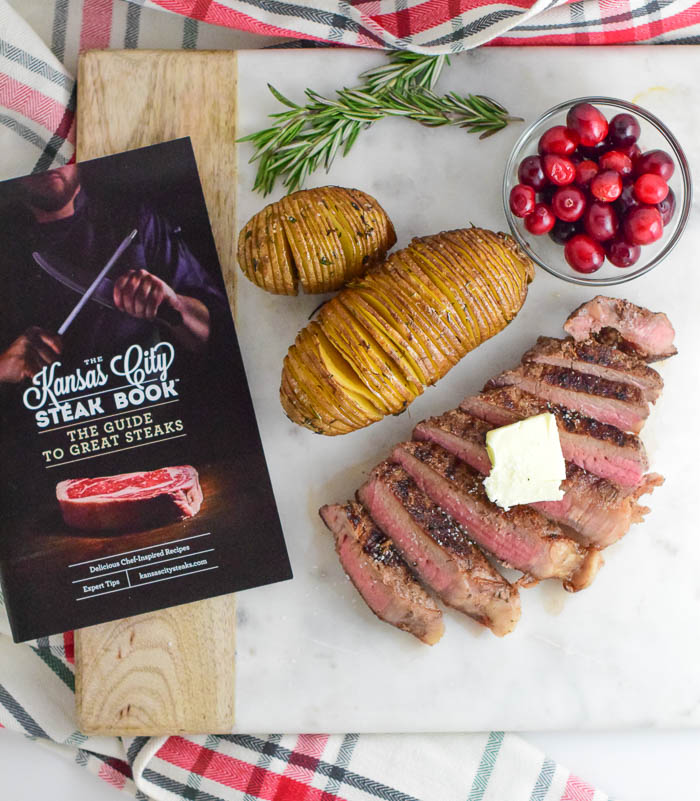
In the realm of culinary pursuits, few delights can rival a perfectly cooked steak. The sizzling sound, the tantalizing aroma, and the mesmerizing crust that forms when cooking in a cast iron skillet transform an everyday meal into an extraordinary experience. This guide unveils the artistry of cooking steak in a cast iron pan, promising not only to enhance your culinary skills but also to ignite your passion for flavor. Prepare for a shift in perspective, as you embark on this savory journey.
1. Choosing the Right Cut
The foundation of a magnificent steak begins with the cut you select. Options abound, ranging from the buttery tenderness of a filet mignon to the robust flavor profile of a ribeye. While the sirloin and t-bone also deserve attention, it is pivotal to choose a cut with good marbling, as intramuscular fat renders during cooking, enriching the meat with luscious flavor. Venture beyond the usual choices; consider lesser-known cuts like the hanger steak or the flank for a distinctive taste experience.
2. Preparing the Steak
Once you’ve chosen your cut, it’s time to prepare it for its moment in the spotlight. Remove the steak from refrigeration at least 30 minutes prior to cooking. This practice allows the meat to come to room temperature, promoting even cooking. Pat the steak dry with paper towels to create a desirable crust when searing. Seasoning is an art in itself; a generous sprinkling of kosher salt and freshly cracked black pepper enhances the natural flavors. For those feeling adventurous, consider dry brining the steak a few hours in advance to deepen the flavor.
3. Selecting the Ideal Cast Iron Skillet
Not all cast iron skillets are created equal. While any seasoned pan will suffice, a skillet with a smooth surface promotes even heat distribution and aids in achieving that coveted sear. The weight of the skillet is also important; heavier skillets retain heat better, ensuring a consistent cooking environment. If possible, opt for one coated in enamel, which offers ease of cleaning while still providing that robust, even cooking surface.
4. Preheating: Building the Perfect Sear
Preheating your cast iron skillet is a crucial step that cannot be underestimated. Place your skillet on medium-high heat and give it ample time to heat up, typically around 5 to 10 minutes. To test if your skillet is adequately preheated, sprinkle a few drops of water onto the surface. If they dance and evaporate swiftly, the skillet is ready. This critical phase ensures that the Maillard reaction—the complex series of chemical reactions that gives browned food its distinctive flavor—occurs, leading to that golden-brown crust.
5. The Art of Searing
With the skillet hot and the steak seasoned, it’s time to embark on the searing process. Add a high smoke-point oil, such as canola or avocado oil, to the pan and swirl it to coat the surface. Gently place the steak in the skillet, listening for the gratifying sizzle. Resist the temptation to move it too soon; patience is key. Allow it to sear for 3 to 5 minutes without disturbance, as this time is essential for forming a beautiful crust. Use tongs to flip the steak gently, allowing it to develop a similar sear on the other side.
6. Managing the Temperature
As the steak sears, it’s vital to manage the cooking temperature with precision. Use an instant-read thermometer to monitor doneness, aiming for an internal temperature between 125°F for rare and 160°F for well-done. If the skillet becomes too hot, reduce the heat slightly to avoid burning the exterior while undercooking the interior. For those who relish added flavor complexity, consider throwing in fresh herbs such as rosemary or thyme, along with a few cloves of garlic, during the last moments of cooking.
7. Finishing Touches
Upon reaching the desired doneness, remove the steak from the skillet and allow it to rest. This step is often overlooked yet is crucial; resting for 5 to 10 minutes allows the juices to redistribute throughout the meat, enhancing tenderness and flavor with each bite. As you wait, use this time to prepare a luxurious compound butter or a drizzle of balsamic glaze to elevate the dish with a final flourish.
8. Serving Recommendations
Once rested, slice the steak against the grain to maximize tenderness. Let this be the presentation moment where flavor meets artistry. Pair your succulent steak with sides like creamy mashed potatoes, roasted vegetables, or a fresh arugula salad, each complementing the richness of the meat. A well-chosen wine or a classic cocktail can further elevate the dining experience, imbuing the meal with a sense of occasion.
Conclusion
Cooking a steak in a cast iron skillet transcends the mere act of preparing a meal; it is inviting a piece of culinary tradition into your home. With the right cut, meticulous preparation, and patience, the result can be nothing short of sublime. As you embark on this savory venture, remember that the goal is not just to cook but to create a visceral experience—one that tantalizes the taste buds and provides nourishment for both body and soul. So, don your apron, heat that skillet, and prepare to transform a simple steak into an unforgettable masterpiece.











Leave a Comment