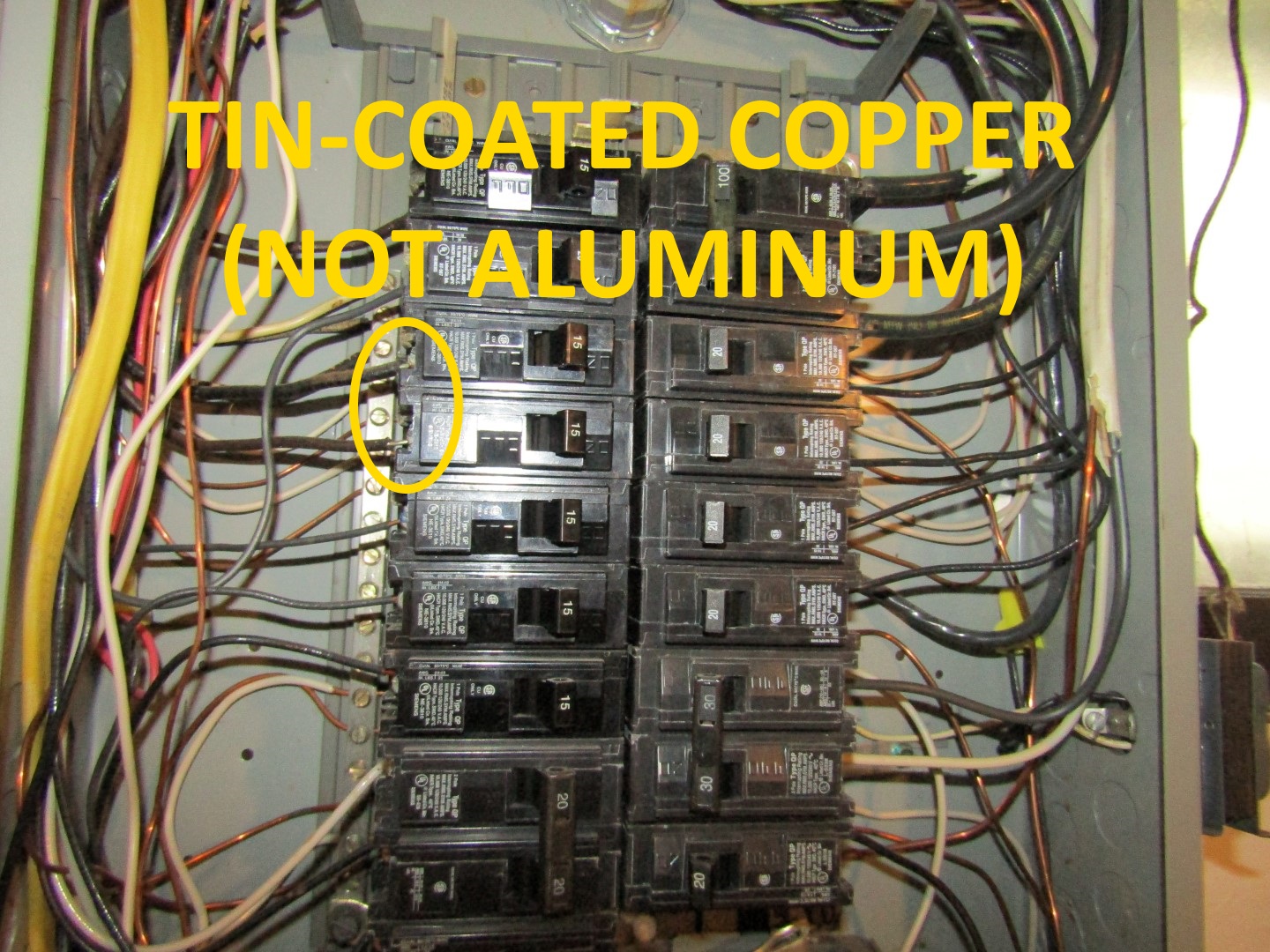
Aluminum wiring, while not as prevalent in contemporary residential construction, remains a topic of considerable interest and concern among homeowners, builders, and electricians alike. This material experienced a surge in popularity during the 1960s and 1970s due to its cost-effectiveness and lightweight characteristics. However, it also came with its share of complications that have led to a reevaluation of its use in domestic environments. Understanding the nuances of aluminum wiring, from its attributes and potential hazards to methods of mitigation and alternatives, is essential for making informed decisions regarding electrical systems in homes.
1. History and Adoption of Aluminum Wiring
The installation of aluminum wiring gained traction in the United States amidst a time of copper shortages. Aluminum offered an economical alternative, appealing to contractors aiming to reduce costs. By the mid-1970s, it became common in residential construction. However, a series of electrical fires and failures prompted scrutiny of its safety and effectiveness. Regulatory bodies took action, leading to a decline in its usage and a nationwide push for greater awareness among homeowners.
2. Characteristics of Aluminum Wiring
Aluminum wiring has several distinct attributes that differentiate it from its copper counterpart. It is significantly lighter, which facilitates manipulation during installation. Additionally, aluminum conducts electricity efficiently, albeit less so than copper, necessitating larger gauge sizes for equivalent performance. While it is resistant to corrosion in certain environments, it is more susceptible to oxidation, leading to loss of conductivity at connections if not properly managed.
3. Potential Hazards of Aluminum Wiring
One of the primary concerns surrounding aluminum wiring is its propensity to cause electrical fires. Over time, the metal can undergo thermal expansion and contraction, leading to loosening connections and increased resistance. This phenomenon can create heat buildup, resulting in potential ignition sources. Additionally, aluminum is more vulnerable to mechanical damage and can suffer from an alarming failure rate at points where it connects with outlets and fixtures, often referred to as pigtailing or taping methods.
Moreover, when combined with devices designed for copper, aluminum wiring presents compatibility issues. The more aggressive thermal expansion of aluminum can degrade the integrity of connectors not rated for aluminum usage, further amplifying the risk of fires. Homeowners should remain vigilant in monitoring signs of electrical issues, such as flickering lights, warm outlets, or unusual odors emanating from electrical boxes.
4. Identifying Aluminum Wiring in Your Home
Determining whether aluminum wiring exists in a home is crucial for assessing safety. Homeowners can identify aluminum wiring by inspecting the service panel, outlets, or exposed wiring. If the wires are silver in color rather than copper’s characteristic reddish hue, they are likely aluminum. Additionally, looking for labeling on the wire can provide clarity; wires labeled with “AL” or “Aluminum” are definitive indicators. Engaging the services of a qualified electrician for a thorough examination is advisable for those uncertain about their wiring.
5. Mitigation Strategies for Aluminum Wiring
For homes equipped with aluminum wiring, mitigating its hazards is essential. Several strategies can enhance safety and compliance:
- Using Approved Connectors: Employ connectors and devices specifically rated for aluminum wiring. Specialized materials are designed to accommodate the unique expansion and contraction characteristics of aluminum.
- Pigtailing: This method involves connecting the aluminum wire to a copper wire using a proper connector, ensuring a stabilizing transition. An electrician should carry out this process to maintain integrity and safety.
- Regular Inspections: Homeowners should prioritize routine inspections to assess the condition of the wiring, connections, and outlets. Maintaining vigilance can help identify potential hazards before they escalate.
- Upgrade to Copper Wiring: For a comprehensive solution, consider upgrading to copper wiring. While it can be a more significant financial investment, it offers long-term benefits regarding safety and performance.
6. Alternatives to Aluminum Wiring
Those contemplating newer installations or upgrades may consider alternatives to aluminum wiring. Copper remains the industry standard due to its superior conductivity, resistance to corrosion, and lower failure rates. Additionally, there are emerging technologies, such as aluminum alloy wiring, which combines the advantageous properties of both metals to mitigate the drawbacks of pure aluminum. This alloy can offer a lightweight, cost-effective solution with enhanced conductivity and heat resistance.
7. The Importance of Professional Guidance
When dealing with any concerns related to electrical systems, particularly with aluminum wiring, the critical role of professional guidance cannot be overstated. Hiring a licensed electrician can not only ensure compliance with local codes but also provide peace of mind regarding safety. Professionals can identify underlying issues, recommend appropriate solutions, and perform complex installations safely and efficiently.
Conclusion
Aluminum wiring may have a storied past marked by both widespread adoption and significant cautionary tales. Understanding the unique characteristics, potential hazards, and effective mitigation strategies is paramount for homeowners who encounter this material in their residences. By remaining vigilant, engaging qualified professionals, and considering the merits of upgrades or alternative materials, homeowners can safeguard their properties while navigating the complexities associated with aluminum wiring. A proactive approach will not only enhance safety but also ensure the longevity and efficiency of electrical systems in the home.









Leave a Comment