As the sun rises over the horizon, casting a golden hue on the Californian landscape, the delicate dance of leasing begins. A leasing agent, like a seasoned conductor, orchestrates a symphony of details to ensure a seamless move-in experience for new tenants. One of the pivotal movements in this concerto is the move-in inspection—a pivotal moment akin to the unveiling of a masterpiece. This article will delve into the intricacies of setting up a move-in inspection in California, illuminating the process and the significance it holds.
Understanding the Move-In Inspection
A move-in inspection is not merely a formality; it’s a meticulous evaluation that sets the stage for the landlord-tenant relationship. Picture it as an artist reviewing their canvas before applying paint. This thorough inspection ensures that both the tenant and landlord share the same understanding of the property’s condition at the outset of the lease. It can prevent future disputes and misunderstandings, preserving harmony throughout the rental experience. In California, this inspection holds its own legal weight, with specific requirements that must be adhered to by leasing agents.
Legislative Framework
California law mandates that landlords or their agents must conduct a move-in inspection and provide tenants with a written report detailing the condition of the property. It’s as if the law has laid down a foundation, ensuring that the subsequent performance stands firm on solid ground. According to California Civil Code Section 1950.5, tenants have the right to receive a copy of this inspection report, usually within the first week of occupancy. This is not merely a suggestion but a requirement designed to safeguard the interests of both parties.
Preparation: Setting the Stage
Before the curtain rises on the inspection day, extensive preparation is crucial. The leasing agent should first schedule a time for the inspection that accommodates both the tenant and the property owner. Clear communication is essential; a well-coordinated schedule ensures that no one is left waiting in the wings during this crucial phase.
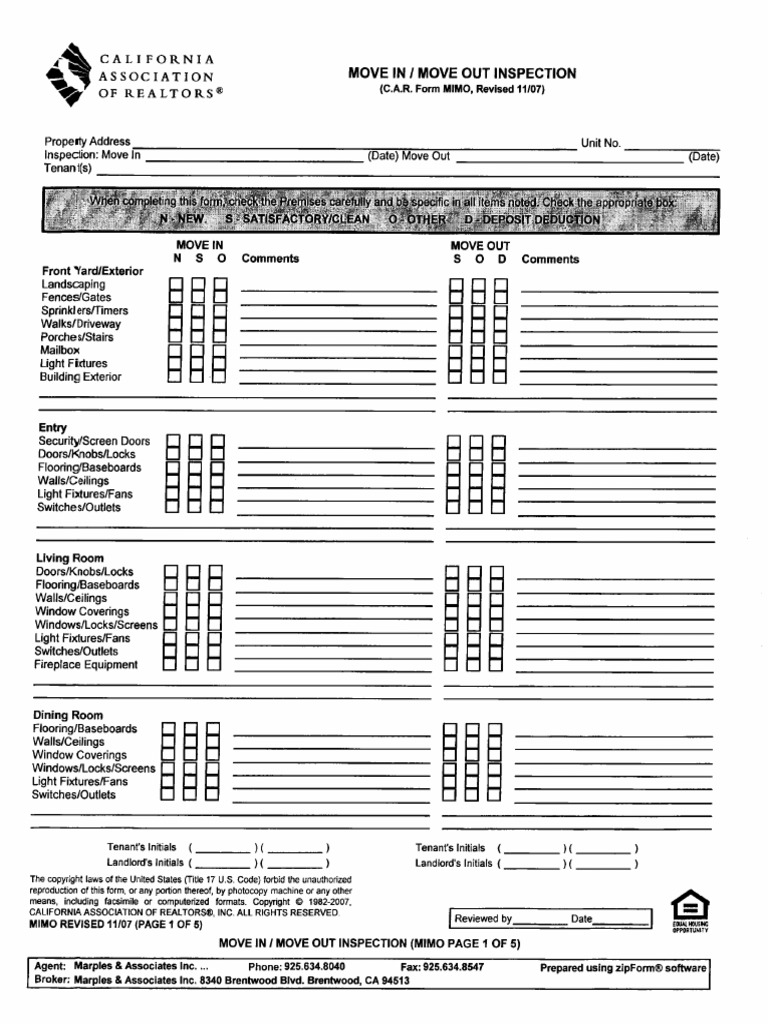
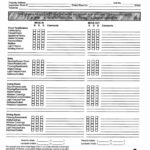
Next, possessing a checklist is invaluable. This checklist should encompass all critical areas of the property, serving as a guide that will help navigate the inspection process. Key elements to inspect include:
- Walls, Windows, and Doors: Examine for any signs of damage, wear, or functionality issues. Think of it as assessing the framework of a grand structure, looking for cracks in the facade.
- Appliances: Test every appliance to ensure they are in working order, similar to tuning an instrument before a performance. Even small malfunctions can become significant issues down the line.
- Plumbing: Check for leaks and water pressure. These hidden currents, akin to subterranean streams, can reveal much about the property’s underlying condition.
- Electrical Systems: Verify outlets, switches, and fixtures. This vital network is comparable to a city’s lifeblood, coursing through its veins and keeping everything functioning.
- Heating and Cooling Systems: Assess HVAC systems to ensure a comfortable environment; much like ensuring that the climate is just right for a growing seedling.
Conducting the Inspection
On the day of the move-in inspection, approach the process with an eye for detail and a spirit of collaboration. Acknowledge that this is not merely an evaluation, but an opportunity to foster goodwill and transparency. Begin by walking through the property with the tenant, encouraging them to voice any concerns or observations. The agent’s role here is akin to that of a guide, navigating through the realms of the property and shedding light on its nuances.
Utilize the inspection checklist, meticulously documenting any pre-existing damages, malfunctions, or areas requiring attention. Photographic evidence can serve as a powerful ally, capturing the condition of the property in a visual narrative as vivid as a photographer’s lens. Once the inspection is complete, present the findings in a comprehensive written report, ensuring that both the landlord and tenant have a clear understanding of the property’s condition. This document will serve as a touchstone throughout the lease period.
Post-Inspection Protocol
Once the inspection report is complete, it’s crucial to follow up on any necessary repairs or maintenance as promptly as possible. This is the moment where the foundation laid earlier can truly bear fruit. If repairs are needed, coordinating with contractors or maintenance teams should occur swiftly to prevent any tenant dissatisfaction. Providing an inviting space from the outset enhances the relationship, sowing seeds for goodwill between the tenant and landlord.
Additionally, binding the inspection report with the lease agreement can act as a safeguard for both parties. It encapsulates the understanding of what was found and agreed upon, serving as a reference point should any disputes arise in the future. This creates a harmony that resonates throughout the duration of the tenancy, safeguarding the relationship against potential discord.
A Conclusion That Resonates
Setting up a move-in inspection in California requires diligence, attention to detail, and effective communication—a harmonious blend that prepares the stage for a successful leasing experience. As the sun sets on the day of the inspection, reflecting on the orchestrated effort that has unfolded can be deeply satisfying. Just as a masterful conductor brings together diverse instruments to create a beautifully cohesive piece, a leasing agent’s role in this process is pivotal in fostering a sustainable, positive environment for tenants. By honoring the nuances of the move-in inspection, agents not only protect the interests of landlords but also pave the way for tenants to feel truly at home. In the grand tapestry of leasing, the move-in inspection is a vital thread—one that promises security, transparency, and the hope of lasting relationships.






Leave a Comment