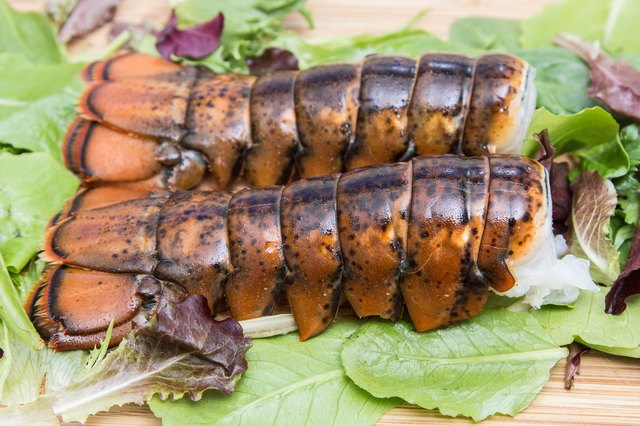
Defrosting frozen lobster tails might seem like a simple task, but it can be fraught with challenges if not done correctly. These succulent seafood morsels, when treated with care, can transform an ordinary meal into an extraordinary feast. To ensure that your lobster tails reach their peak flavor and texture, this comprehensive guide will elucidate the various methods for defrosting, as well as offer tips to maximize quality and safety.
Before delving into the methods of defrosting, it’s crucial to consider the importance of proper thawing. Lobster tails, when frozen, can lose their delicate texture and flavor if not handled properly. Therefore, adherence to safe practices is essential. Here’s a detailed exploration of the various methods for achieving the perfect defrost.
1. The Refrigerator Method
Arguably the best method for defrosting lobster tails, the refrigerator method is a slow and steady option that allows the seafood to thaw evenly. To utilize this method, follow these steps:
- Plan Ahead: This method requires approximately 24 hours of slow thawing per pound of lobster tail. Ensure you allocate sufficient time for your meal preparation.
- Preparation: Remove the lobster tails from their packaging. Place them in a shallow dish to catch any drips that may occur during the thawing process.
- Refrigerate: Position the dish at the bottom of the refrigerator to maintain a consistent temperature, avoiding the risk of cross-contaminating any other foods.
As the lobster tails gradually thaw, they will retain their moisture and flavor, setting the stage for a delightful culinary experience. After the refrigeration period, check the texture; they should be slightly firm but yield to gentle pressure.
2. The Cold Water Method
If you’re short on time, the cold water method offers a quicker alternative to the refrigerator method while still preserving quality. Here’s how to effectively employ this approach:
- Seal in a Bag: Place the lobster tails in a watertight plastic bag, ensuring you expel as much air as possible before sealing. This will prevent water from infiltrating the meat.
- Submerge in Cold Water: Fill a bowl or sink with cold water and submerge the sealed bag. Change the water every 30 minutes to ensure it remains cool.
Typically, this method requires about 30 minutes for every pound of lobster tails. However, be vigilant; it is vital to avoid warm water, as it can cause the lobster to begin cooking and lead to undesirable textures.
3. The Microwave Method
Although not the ideal option for achieving perfect lobster tails, the microwave method serves as a last resort when time is of the essence. Utilize this method with caution:
- Transfer to Microwave-Safe Dish: Place the lobster tails in a microwave-safe dish to catch any juices that may escape during thawing.
- Defrost Settings: Utilize the microwave’s defrost setting, typically at 30% power. This minimizes the risk of cooking the lobster tails.
- Monitor Closely: Check the tails every 30 seconds, turning them to promote even thawing.
Understand that this method may compromise the texture and flavor quality, as the delicate meat can begin to cook around the edges. Therefore, if you opt for this method, employ it as sparingly as possible.
4. Tips for Optimal Thawing
Regardless of the method selected, keeping a few best practices in mind can greatly enhance your defrosting experience:
- Never Refreeze: Once thawed, do not refreeze lobster tails, as this can lead to deterioration in quality and texture.
- Cook Immediately: After thawing, cook the lobster tails promptly to ensure optimal safety and taste.
- Do Not Thaw at Room Temperature: Thawing lobster tails at room temperature may invite bacterial growth, leading to food safety concerns.
5. Final Touches: Preparing for Cooking
Once your lobster tails have been defrosted, they are ready to be transformed into a culinary masterpiece. Rinse them under cold water to remove any remaining ice crystals or debris. The tails can then be prepared for various cooking methods, including boiling, broiling, grilling, or steaming.
Do remember to remove the shell if that’s your preference, or to facilitate easier consumption later. For an added burst of flavor, consider marinating the lobster tails for at least 30 minutes before cooking. The choice of marinade or seasoning can greatly enhance the inherent sweetness of the meat.
In conclusion, defrosting frozen lobster tails requires a thorough understanding of the best practices to maintain their quality and flavor. Whether you opt for the slow and steady refrigerator method or the quicker cold water method, each approach has its merits. By following the provided guidelines and tips, you can confidently prepare succulent lobster tails that are sure to impress. Enjoy the delightful taste and texture of your hard-fought endeavor!











Leave a Comment