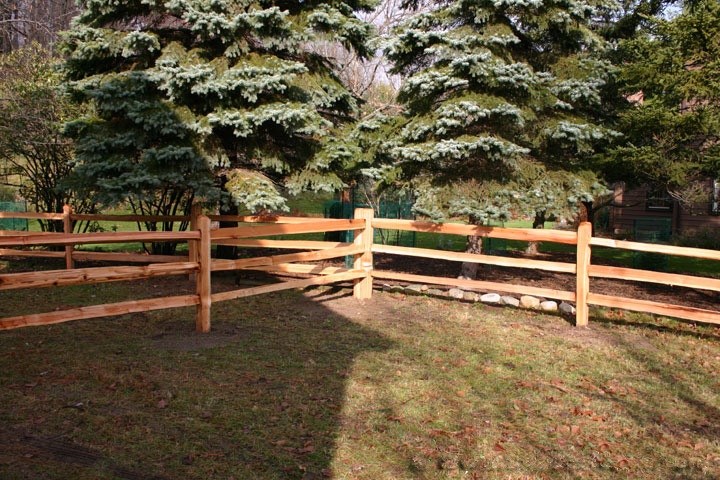
When envisioning an idyllic pastoral landscape, many find themselves drawn to the rustic charm of the cedar split rail fence. These structures evoke a sense of nostalgia, whispering tales of simpler times while simultaneously offering practicality and aesthetics. This article invites you on a journey to delve deeper into the world of cedar split rail fences, exploring their history, construction, benefits, and maintenance. Prepare to shift your perspective and perhaps pique your curiosity about this quintessential element of rural Americana.
I. A Brief History of Cedar Split Rail Fences
Cedar split rail fences can be traced back to the early colonization of North America. Early settlers crafted these fences not merely for aesthetics, but as functional boundaries that delineated property lines while containing livestock. The use of cedar, renowned for its natural resistance to rot and insects, made it an ideal choice for creating durable, long-lasting fences.
As generations have passed, the initial utilitarian purpose of the cedar split rail fence transformed into a symbol of rustic elegance. The simple, yet striking design encapsulates a sense of Americana that resonates today, serving as a backdrop for picturesque farmhouses and sprawling gardens.
II. Characteristics of Cedar Wood
At the heart of the cedar split rail fence lies cedar wood itself. This timber, particularly when sourced from Western red cedar or Eastern white cedar, boasts several distinctive characteristics:
- Natural Resilience: Cedar contains natural oils that serve as a powerful deterrent against decay and pests, making it an impeccable choice for outdoor constructions.
- Dimensional Stability: Unlike many hardwoods, cedar maintains its shape despite fluctuations in humidity and temperature, reducing the chances of warping or cracking.
- Aromatic Qualities: The fragrant, woody scent of cedar enhances any outdoor environment, providing a sensory experience that transforms spaces into tranquil retreats.
III. Construction of Cedar Split Rail Fences
The construction of a cedar split rail fence is an artful endeavor that can evoke a sense of satisfaction in both the creator and observer. The process typically involves the following steps:
- Material Selection: Opt for high-quality cedar logs, typically sourced from trees with minimal knots and defects.
- Splitting Technique: Employ traditional methods, using a froe to carefully split the cedar logs into rails. This technique preserves the integrity of the wood, ensuring that each piece retains its natural grain.
- Post Installation: Begin by digging post holes at regular intervals, setting the posts in place to provide structural stability. The depth of the holes should generally be one-third of the post height.
- Rail Assembly: Attach the split rails to the posts using a notched design, allowing gravity to hold the rails securely in place while retaining an organic appearance.
IV. Aesthetic Appeal and Versatility
Cedar split rail fences are not just functional barriers; they are artistic expressions that can enhance the aesthetics of any property. Their natural, unfinished look complements various architectural styles, from classic farmhouses to modern retreats. Customization possibilities abound:
- Height Variations: Adjust the height of the fence to suit your needs, from low boundaries that guide wandering paths to taller installations that provide more privacy.
- Curvature and Flow: Embellish your landscape by creating curves that follow the natural terrain, enhancing the visual interest and harmony with the environment.
- Integration with Landscaping: Cedar split rail fences can serve as trellises for climbing plants or as a frame for vibrant flower beds, inviting nature to intertwine with artistry.
V. Benefits of a Cedar Split Rail Fence
Choosing a cedar split rail fence comes with a plethora of benefits that extend beyond mere aesthetics:
- Cost-Effectiveness: While the upfront costs might be higher than other materials, cedar’s longevity and minimal maintenance requirements yield significant savings in the long run.
- Environmental Responsibility: Cedar is a renewable resource, making its use more sustainable compared to synthetic materials. Proper sourcing can further enhance eco-friendliness.
- Enhanced Curb Appeal: Homes adorned with split rail fences possess a unique charm that can increase property value and allure potential buyers.
VI. Maintenance Tips for Cedar Split Rail Fences
While cedar wood is celebrated for its durability, it still requires a modicum of care. Consider these maintenance tips to ensure your fence remains in pristine condition:
- Regular Inspections: Check for signs of wear and tear, including loose rails or damaged posts, and address issues promptly to prevent further deterioration.
- Cleaning: Periodically wash the fence with a mixture of mild soap and water to remove dirt and debris that may harbor moisture.
- Sealants and Stains: To maintain the rich color and finish of cedar, consider applying a transparent sealant or stain that enhances its natural beauty while providing additional protection from the elements.
Conclusion
In conclusion, the cedar split rail fence exemplifies a harmonious blend of functionality, durability, and charm. Its storied history links us to our past, while its current form offers aesthetic versatility that continually captivates homeowners and landscape designers alike. By understanding the craftsmanship behind these fences and embracing their many benefits, one can cultivate a deeper appreciation for this timeless structure. Whether serving as a boundary, a decorative element, or a symbol of a bygone era, cedar split rail fences facilitate an enduring dialogue between nature and human ingenuity, inviting all to engage with the beauty of the outdoors.









Leave a Comment