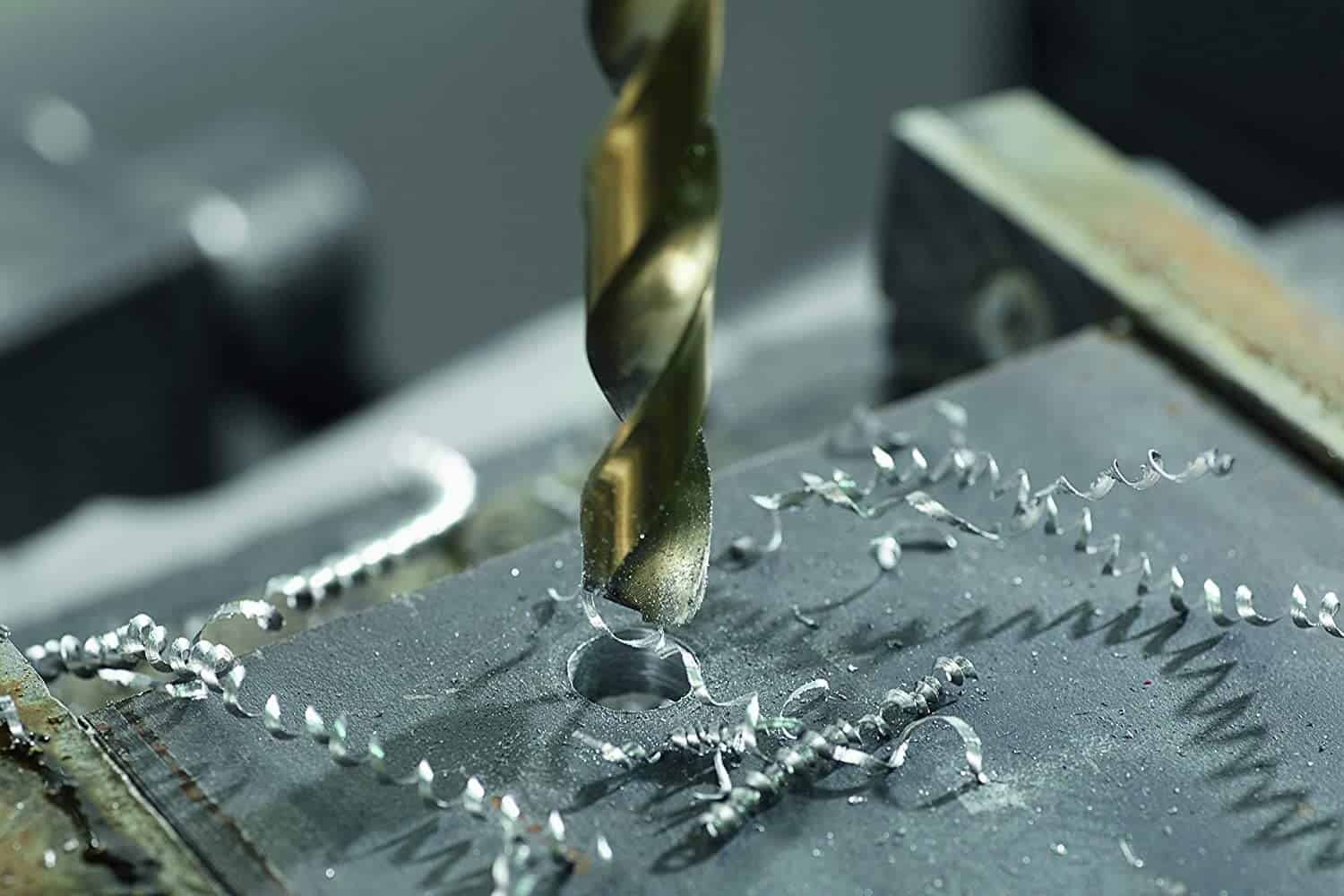
The precision required in machining and fabrication industries necessitates a thorough understanding of tap sizes and the corresponding drill bit dimensions. For tasks that involve tapping threads, it is crucial to select the appropriate drill size before initiating the tapping process. Among the many size combinations used in machining, the 1/4-20 tap stands out as a frequently employed metric in various applications. In this guide, we will delve into the intricacies of determining the correct drill size for a 1/4-20 tap, ensuring that professionals and enthusiasts alike can undertake their projects with confidence and accuracy.
Understanding 1/4-20 Threads
The designation “1/4-20” refers to the specifications for the thread size itself. The “1/4” indicates that the nominal diameter of the bolt or screw is 0.25 inches, while the “20” signifies that there are 20 threads per inch (TPI). This threading standard is widely utilized in a variety of applications including woodworking, metalworking, and even in the assembly of electronic devices. The 1/4-20 size is favored for its balance between strength and compatibility with a wide array of nuts and inserts.
Choosing the Correct Drill Bit Size
Determining the appropriate drill bit size for a 1/4-20 tap is not merely a matter of picking a bit that fits the diameter. Instead, it requires an understanding of both the tap itself and the materials being worked on. The general recommendation for a 1/4-20 tap is to use a drill bit that has a diameter of 0.216 inches. This size is known as an “F” drill bit in the letter size category, although fractional drill bit sizes might also come into play.
Using the right drill bit size ensures that the threads will be cut cleanly and precisely. Too small a drill size can result in a hole that is insufficient for threading, while excessively large bits can lead to weak threads that fail under stress.
Types of Drill Bits
When approaching the task of drilling for a 1/4-20 tap, one can choose from a plethora of drill bit types, each designed for specific functions. The primary types include:
- High-Speed Steel (HSS) Bits: These are the most common drill bits utilized due to their versatility and cost-effectiveness. They are suitable for general-purpose metal and wood drilling.
- Cobalt Bits: Incorporating cobalt into the steel provides enhanced durability and heat-resistance, making them ideal for drilling tough metals.
- Carbide Bits: Renowned for their hardness, carbide bits can withstand extreme pressures and are often employed in specialized applications involving hard materials.
- Spade Bits: Specifically designed for larger diameter holes in wood, spade bits may not be applicable for steel or hard materials involved in tapping.
Understanding the material of the workpiece can guide the selection of the optimal drill bit type, ensuring longevity and efficiency during the machining process.
Drill Bit Tolerance and Hole Size
Maintaining appropriate tolerances while drilling is equally vital. The relationship between the drill bit diameter and the resulting hole size plays a significant role in the success of the subsequent threading operation. The recommended clearance fits for a 1/4-20 tap suggest that hole sizes can range slightly above the nominal drill size. This additional margin accommodates variations in material type and quality. It can also provide the necessary space for tap engagement without compromising on the thread’s integrity.
Drilling and Tapping Procedure
The procedure for drilling and tapping a hole may seem straightforward, yet it encompasses several critical steps:
- Preparation: Mark the precise location for drilling, ensuring alignment, especially for applications requiring accuracy.
- Drill the Hole: Using the correct bit, begin drilling the hole while maintaining a steady hand. A drill press may help achieve consistent depth and accuracy.
- Deburring: Post-drilling, clean the hole of any burrs or debris to prevent obstruction during the tapping phase.
- Tapping: Select the right tap, align it concentrically to the hole, and begin carefully threading it in, ensuring to use a tapping fluid for smoother operation.
Additionally, employing a tapping guide can enhance precision and reduce the chances of crooked threads which are prone to failure under stress.
Common Mistakes to Avoid
When engaging in drilling and tapping for a 1/4-20 thread, several common pitfalls can be detrimental to the outcome:
- Choosing an incorrect drill size, either too big or too small.
- Neglecting to lubricate the tap, leading to excessive wear and tear.
- Drilling too fast, which can overheat both the bit and the workpiece.
- Failing to align the tap correctly, resulting in cross-threading.
By being mindful of these errors, one can significantly reduce the likelihood of diminishing returns on effort invested.
Conclusion
A firm grasp on the proper drill size for a 1/4-20 tap is paramount for anyone delving into machining or woodworking projects. By paying close attention to detail, selecting the right drill bits, and adhering to a systematic approach during the drilling and tapping processes, one can achieve secure, reliable threads that hold up under a variety of conditions. Proper preparation and execution not only enhance the quality of work but also bolster the confidence of those engaged in mechanical and DIY endeavors.









Leave a Comment