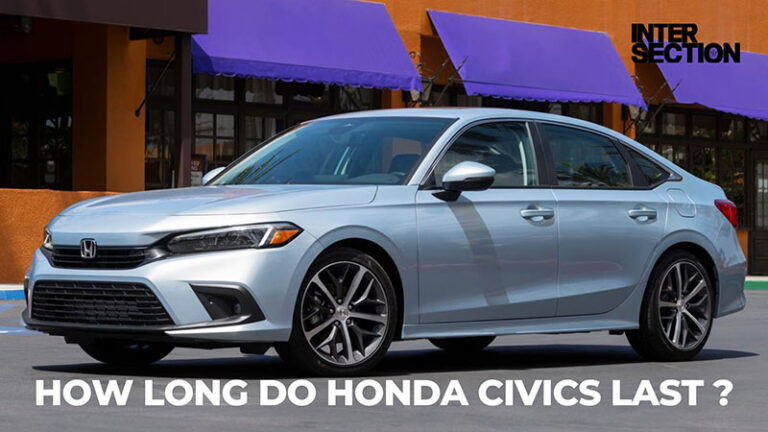
When it comes to longevity in the world of automobiles, few names resonate with enthusiasts and everyday drivers alike as profoundly as the Honda Civic. Renowned for its reliability and durability, the Civic has carved out a stellar reputation over decades of production. In this article, we will delve into various facets that determine how long Honda Civics last, examining factors such as maintenance, driving habits, model variations, and even owner experiences. This comprehensive exploration is designed to provide insight into what can be expected from a Honda Civic in terms of lifespan.
Understanding the Engine’s Robustness
The heart of any vehicle, the engine, plays a crucial role in determining longevity. Honda Civics are often equipped with either naturally aspirated or turbocharged engines, both known for their engineering excellence. Properly maintained engines, irrespective of type, can surpass the 200,000-mile mark. Many Civics have reported astonishing figures, with some users documenting their cars well into 300,000 miles with the right care. Routine oil changes, timely replacements of belts, and maintaining optimal coolant levels are pivotal for maximizing engine lifespan.
Transmission Longevity
Transmission systems in Honda Civics, whether manual or automatic, require vigilant attention to ensure enduring performance. Regular transmission fluid changes, particularly for automatics, can significantly influence lifespan. A well-cared-for automatic transmission can remain operational for over 150,000 miles, while manual transmissions might last even longer if driven judiciously. Engaging in aggressive driving habits can hasten wear and tear, thus compromising longevity. Consequently, smooth, prudent driving should be encouraged.
Regular Maintenance: The Key to Durability
Civics, like any automobile, necessitate consistent maintenance to thrive. A regimented schedule including oil changes, brake inspections, tire rotations, and small part replacements can extend the longevity of one’s vehicle considerably. Regular inspections help in identifying early signs of wear, ensuring that minor issues do not escalate into major repairs. Adhering to the manufacturer’s maintenance recommendations can undeniably lead to an extended vehicle lifespan.
Driving Conditions and Their Impact
Driving conditions profoundly affect how long a Honda Civic will last. Urban driving, which often includes stop-and-go traffic, places additional strain on vehicles compared to highway driving, where speeds are more constant. Additionally, terrains like mountains or rough rural roads can exacerbate wear and tear. Drivers in cities may find their Civics approaching the end of their mechanical life sooner than those who predominantly drive in less demanding environments. Thus, understanding one’s driving landscape is instrumental in performance outcomes.
Model Variations: A Closer Look
Over the years, the Honda Civic has witnessed a plethora of model variations, each with unique specifications and durability profiles. From the streamlined design of the Si series, which emphasizes sporty performance, to the more utilitarian designs of earlier models, each variant has its nuances. The newer models have seen advancements in technology, particularly in fuel efficiency and engineering, which can contribute to an extended vehicle life. Comparing models year by year can yield fascinating insights into how improvements translate into durability.
Owner Experiences: Tales from The Road
Engaging with the Honda Civic community offers a treasure trove of narratives. Countless owners share their experiences with Civics that have outlived expectations. Many discussions highlight maintenance tips, including DIY repairs that have proven successful in preserving vehicle condition. These community insights reveal how personal diligence can significantly affect a car’s lifespan. The camaraderie among Honda enthusiasts often serves as an invaluable reservoir of knowledge, encouraging best practices that promote vehicle longevity.
Environmental Factors: The Silent Influencers
Beyond driving habits and maintenance, environmental factors are seldom discussed yet play a vital role in a vehicle’s lifespan. Elements such as climate, humidity, and exposure to harsh conditions can impact a Honda Civic’s durability. Cars that live in wetter climates may face rust and corrosion more rapidly, while those in areas with extreme heat can suffer from accelerated wear on seals and gaskets. Understanding these implications allows owners to take proactive measures to protect their vehicles, further extending their operational life.
Resale Value and Longevity
A distinct advantage of owning a Honda Civic is its impressive resale value, which remains robust due to the vehicle’s reputation for reliability. If properly sustained, a Civic can offer significant returns when it comes time to sell or trade it in. Prospective buyers are often willing to invest in older models that have been well cared for, recognizing the potential for continued longevity. Thus, maintaining a Civic not only ensures a longer lifespan but also maximizes financial return when the time arrives to part ways.
Conclusion
The Honda Civic stands as a veritable symbol of reliability and durability in the automotive landscape. With proper care and maintenance, these vehicles can exceed expectations, often lasting well beyond the 200,000-mile marker, and some even reaching the remarkable milestone of 300,000 miles. Through various facets such as engine care, transmission maintenance, driving conditions, and the individual owner experience, it becomes clear that the lifespan of a Honda Civic is not merely a function of engineering, but also of conscientious ownership. Ultimately, the Civic embodies a harmonious blend of performance and longevity, providing a reliable option that continues to satisfy drivers around the world.











Leave a Comment