When it comes to relaxation and rejuvenation, few experiences match the profound relief offered by massage therapy. Among the myriad of techniques available, Swedish and Thai massages stand out for their unique characteristics and exceptional benefits. While both modalities are treasured for their ability to release tension and promote well-being, they each embody distinct philosophies and techniques that contribute to their effectiveness. This exploration delves deeper into these modalities, revealing the nuances that make each fascinating.
1. The Roots of Tradition
The journey into Swedish and Thai massages begins with their cultural heritage. Swedish massage traces its origins back to the 19th century, credited largely to Swedish physiologist Henrik Ling. With a focus on Western anatomical understanding and muscle manipulation, this style emphasizes relaxation and rehabilitation. In contrast, Thai massage boasts a rich history intertwined with ancient Buddhist traditions, dating back over a thousand years. This practice integrates elements of yoga, acupressure, and energy work, embodying a deeply spiritual approach to bodily wellness.
2. Understanding Techniques: Swedish Massage
Swedish massage employs a series of rhythmic strokes including kneading, percussion, friction, and gliding—the quintessential techniques being long, smooth effleurage strokes. These movements aim to relax muscle tension, enhance circulation, and foster a general sense of tranquility. Often conducted on a massage table, this style encourages the use of oil or lotion to ease movements and enhance the sensory experience. As the client sinks into a relaxed state, the therapist works methodically to ease tight muscles and minimize stress, creating a serene escape from the chaos of everyday life.
3. Understanding Techniques: Thai Massage
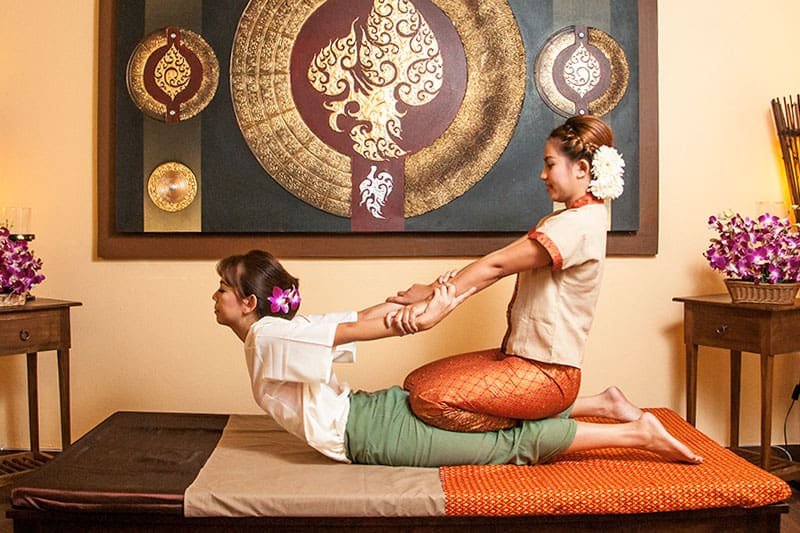
Conversely, Thai massage is a holistic practice characterized by its dynamic movements and the practitioner’s use of body weight. No oil is used; rather, participants wear loose, comfortable clothing, allowing for unrestricted motion during the session. The therapist employs a combination of acupressure, passive stretching, and yoga-like positions to stretch the body and stimulate energy lines known as ‘Sen.’ This method often engages the recipient in active participation, encouraging deep breaths and fostering a heightened awareness of their own body.
4. Tantra and Energy Flow
At its core, Thai massage is infused with a philosophy steeped in energy flow and spiritual awareness. Practitioners believe that physical knots in the body correspond to energetic blockages. The practice seeks not only to relieve musculoskeletal pain but to restore the natural harmony of the body’s energy systems. In stark contrast, Swedish massage often targets specific muscle groups and is valued for its straightforward approach to alleviating tension and discomfort without delving into the energetic aspects. This divergence speaks to a broader cultural fascination with balancing physical and spiritual health.
5. Benefits & Therapeutic Applications
Both massages offer a plethora of benefits. Swedish massage serves to reduce stress and anxiety, improve mood, and promote an overall sense of well-being. It is often recommended for individuals recovering from injuries or those seeking relief from chronic pain conditions. Thai massage, meanwhile, presents a more invigorating experience. The incorporation of stretching exercises can enhance flexibility and stimulate circulation, making it particularly beneficial for athletes or individuals with rigid muscle groups. Each modality has its place in therapeutic application, catering to diverse needs and preferences.
6. The Client Experience
Individuals seeking Swedish massage often seek solace and calm. The ambiance typically reflects this intention, with soft music, dim lighting, and aromatic scents fostering an intimate, tranquil environment. The treatment, while relaxing, encourages a sense of restoration and relief. On the other hand, Thai massage calls for a more interactive experience. The recipient is often encouraged to participate actively, learning to embrace discomfort during stretches and engaging in deeper, more rhythmic breath work. This experience can be invigorating and even exhilarating, leading to a sense of vitality that extends well beyond the session.
7. Misconceptions and Cultural Perspectives
A common observation is that both massages are viewed merely as luxurious indulgences. While they certainly provide relaxation, the deeper reasons for their appeal lie in their therapeutic capacities. Both modalities confront physical strain and emotional stress in unique ways, inviting individuals to explore their underlying tensions. Furthermore, cultural perceptions significantly shape how these practices are interpreted—Swedish massage often aligns with Western values of individualism and self-care, while Thai massage resonates with Eastern principles of interconnectedness and communal health. This contrast sparks a fascination with how culture influences wellness practices.
8. Choosing Your Path
In deciding between Swedish and Thai massages, individuals might reflect on personal needs and preferences. If the objective is a serene escape to alleviate stress, Swedish massage might be the ideal choice. However, those looking for a more active, holistic experience may find Thai massage to be more fulfilling. Regardless of the choice, both forms of massage offer unique advantages, emphasizing the importance of body awareness and self-care.
In conclusion, Swedish and Thai massages capture the imagination not only for the luxurious experiences they provide but also for the cultural philosophies that underpin them. Each modality opens a pathway to understanding the intricate relationship between physical well-being and deeper existential queries—connecting tradition with modern therapeutic practices. As we delve into the world of massage, we uncover not just the art of touch, but a profound journey towards holistic health.










Leave a Comment