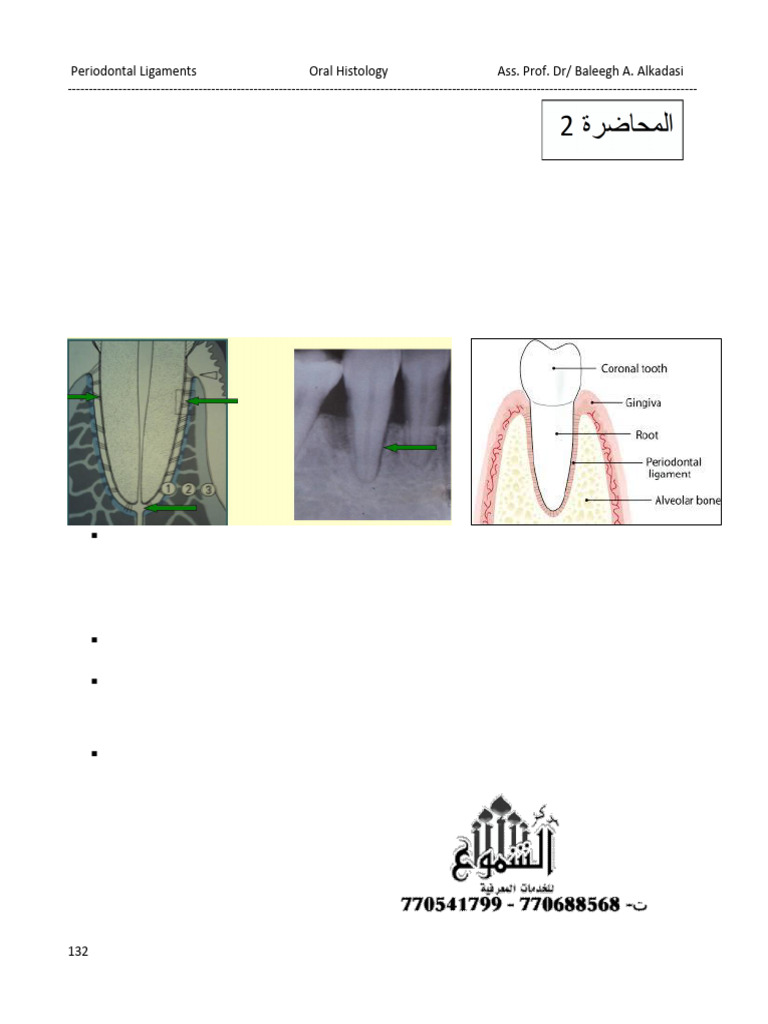
Dental aligners have transformed the realm of orthodontics, providing a more discreet and comfortable alternative to traditional braces. However, the success of these devices hinges on their proper fit and application. Wearing an ill-fitting aligner can lead to a cascade of dental issues, particularly concerning the delicate structures known as periodontal ligaments (PDL). This article explores the vital role of PDL, the potential damage that can arise from inappropriate aligner use, and the repercussions on overall oral health.
Understanding Periodontal Ligaments
Periodontal ligaments are specialized connective tissues that play a crucial role in tooth stabilization. Anchoring teeth within their sockets, these ligaments facilitate slight movements during activities such as chewing and biting. Furthermore, they are integral to the neural responses associated with pressure and movement, providing feedback that helps in coordinating jaw movements. For any orthodontic treatment, maintaining the integrity of these ligaments is paramount. Therefore, the importance of a well-fitted aligner cannot be overstated.
The Mechanics of Aligners
Aligners operate through the gradual application of force to shift teeth into desired positions. A precisely crafted aligner molds to the contours of the teeth, distributing force evenly. When an aligner is well-fitted, it effectively engages the periodontal ligaments, facilitating a harmonious movement of the teeth. Conversely, a misfitted aligner may exert uneven pressure. This disparity can lead to acute and chronic complications.
Type of Damage Caused by Ill-Fitting Aligners
1. Trauma to the Periodontal Tissues
An ill-fitting aligner can apply excessive pressure to the periodontal ligaments, resulting in trauma. This trauma can manifest as inflammation, leading to a condition known as periodontitis. The symptoms may include swelling, pain, and bleeding of the gums. Over time, continual pressure without relief can compromise the structural integrity of the periodontal ligaments, leading to further complications.
2. Resorption of Alveolar Bone
Inadequate alignment and lurking stress can trigger resorption of the alveolar bone—the bony structure that supports the teeth. The migration of teeth during orthodontic treatment is dependent on this bone remodeling process. If the ligaments are subjected to disproportionate forces, it can lead to accelerated bone loss, jeopardizing the stability of teeth and potentially leading to tooth mobility or loss.
3. Ineffective Tooth Movement
Failure to achieve the desired tooth movement is another significant risk associated with unfit aligners. The disproportionate pressure causes teeth to shift improperly, resulting in misalignments. Not only does this prolong the treatment duration, but it can also necessitate further orthodontic intervention, delaying the attainment of a harmonious dentition.
4. Increased Sensitivity and Discomfort
Uncomfortable aligners can lead to heightened tooth sensitivity. Patients may experience discomfort, particularly when biting down or during routine oral hygiene practices. This discomfort can deter compliance with treatment and threaten the overall success of the orthodontic plan. Additionally, the ongoing stress on the periodontal ligaments may exacerbate this sensitivity.
Signs That Your Aligner Isn’t Fitting Properly
Recognizing the early signs of ill-fitted aligners is pivotal in preventing long-term damage. Patients should be vigilant for the following symptoms:
- Pain or tenderness in the gums or teeth
- Difficulty in placing or removing the aligners
- Persistent or worsening tooth sensitivity
- Unusual spacing or gaps between teeth
- Lingering pain in the jaw or at the sites of the aligners
If any of these symptoms present themselves, it is critical to consult with an orthodontist promptly.
Preventive Measures
Preventing damage to the periodontal ligaments hinges primarily on proper aligner fit and regular monitoring. Here are a few recommendations:
- Regular Check-ups: Routine appointments with your orthodontist are essential. Frequent monitoring allows for early detection of any misalignment or fit issues.
- Adherence to Instructions: Following usage guidelines provided by your orthodontist can significantly mitigate risks. This includes wearing aligners for the prescribed number of hours daily.
- Prompt Reporting of Issues: Should discomfort or signs of misfit arise, reporting these issues immediately can facilitate timely adjustments.
- Professional Fitting: Ensure that aligners are crafted by dental professionals who utilize precise imaging and dental molds to customize each aligner.
The Role of Orthodontists
Orthodontists are essential allies in the journey towards dental alignment. Their expertise enables them to assess, diagnose, and provide necessary adjustments for fit and comfort. Collaboration with an orthodontist ensures that aligners serve their intended purpose without inflicting damage on the periodontal ligaments.
Conclusion
Wearing unfit aligners can lead to significant damage to periodontal ligaments, jeopardizing the very foundation of oral health. Awareness of potential complications allows patients to take proactive steps towards maintaining their dental integrity during orthodontic treatment. By recognizing the symptoms of poorly fitting aligners, adhering to preventive measures, and working closely with orthodontic professionals, individuals can navigate their orthodontic journeys with confidence and care, ensuring that their pursuit of a beautiful smile does not come at the cost of their periodontal health.








Leave a Comment