Introduction
Imagine your vehicle’s engine as a cauldron, bubbling with potential energy, an intricate dance of air and fuel swirling together in perfect harmony. Just as a chef must maintain a precise balance of ingredients to produce a sublime dish, your engine relies on a flawless vacuum to sustain its performance. However, like an uninvited guest sneaking through a crack in the door, a vacuum leak can disrupt this equilibrium, leading to inefficiencies, stalling, or even a complete meltdown. Identifying and rectifying these leaks is paramount for ensuring your engine operates at peak efficiency. This comprehensive guide will unravel the techniques to check for vacuum leaks, helping you reclaim control over your automotive symphony.
Understanding the Basics of Vacuum Leaks
A vacuum leak occurs when air enters the engine’s intake system unintentionally. Think of it as a whisper of mischief that sneaks through the seals and gaskets, diluting the air-fuel mixture meant to be precisely combusted. The ramifications are extensive: you may experience decreased fuel efficiency, rough idling, or erratic acceleration. With the stakes being as high as they are, understanding the anatomy of your vehicle’s intake system is the first step in this diagnostic adventure.
Identifying Symptoms of Vacuum Leaks
Before diving into the examination of your engine, it’s vital to recognize the telltale signs of a vacuum leak. Just like a feather on the wind can indicate a storm is brewing, these symptoms are paramount in leading you to the source:
- Rough Idling: If your engine sounds like a chaotic orchestra rather than a harmonious symphony, an irregular idle could be a crucial indicator.
- Poor Fuel Efficiency: Dramatic drops in miles per gallon can signify that the airflow balance is askew, begging the question of whether your intake system is leaking.
- Hesitation During Acceleration: A car that stutters when you press the gas pedal may have a vacuum leak affecting its performance.
- Check Engine Light: This digital sentinel can illuminate due to erratic airflow readings, demanding your attention to investigate further.
Preparing for the Inspection
Equipped with an understanding of the symptoms, it’s time to gather your tools—a flashlight, a hose spray (soapy water or brake cleaner), a vacuum gauge, and perhaps a trusted partner to assist you. An initiative such as this transforms you into a detective, systematically hunting for the elusive culprit hiding among the various components of your intake system.
Visual Inspection
Your first approach should mimic the keen eye of a seasoned sleuth. Begin by visually inspecting the entire intake system, from the air filter to the throttle body and beyond:
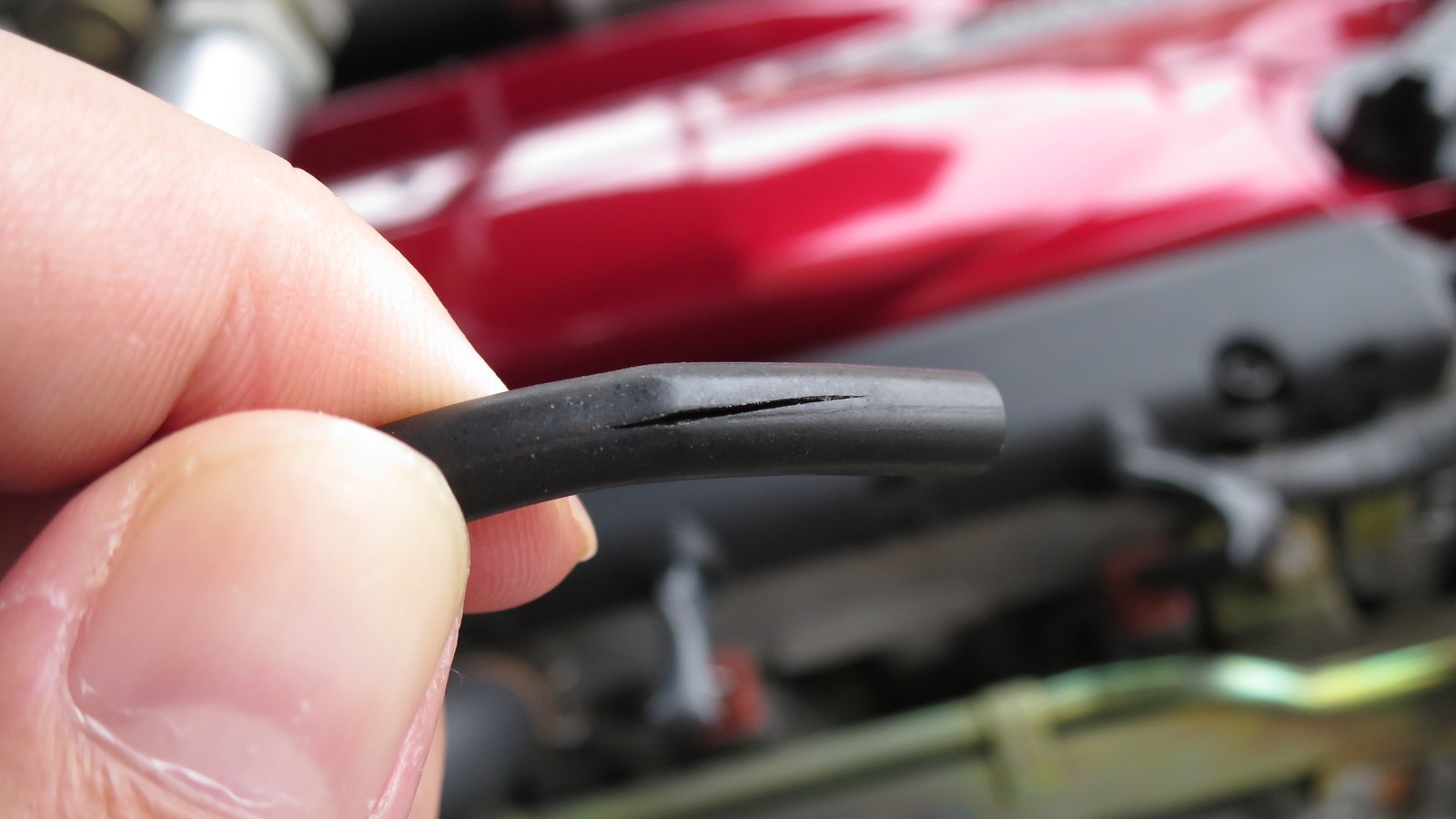
- Hoses: Look for any signs of wear, cracking, or disconnections. A frayed hose is akin to a leak in a balloon, allowing precious air to escape.
- Gaskets and Seals: Pay close attention to the intake manifold and throttle body gaskets. These sealing components are the gates of your engine, and any compromise can lead to chaos.
- Dive into the PCV System: The positive crankcase ventilation system is a common culprit; inspect the positive crankcase ventilation valve and the hoses linked to it.
The Soap Bubble Method
As you inch closer to the heart of the mystery, consider employing the soap bubble method. This straightforward, yet effective technique offers an almost magical way of revealing leaks:
- Start the engine and let it idle.
- Generously spray soapy water at various junctions, hoses, and gaskets.
- Observe for bubbles forming; a bubble will form where air is rushing in, indicating a breach in the fence.
Utilizing a Vacuum Gauge
Next, elevate your detective skills by incorporating a vacuum gauge into your arsenal. This instrument does not merely serve to diagnose; it interprets the engine’s silent language:
- Connect the gauge to a manifold vacuum port.
- As the engine idles, read the vacuum pressure. Values lower than normal (generally around 18-22 inches of mercury) may suggest a significant leak.
Listening for the Whisper
Sometimes the best clues come not from sight or touch, but from sound. With the engine running, place your ear near suspected areas—this is where your intuition becomes invaluable. A hissing sound may lead you directly to the source of your troubles, echoing the whispers of air intruding into your engine.
Conclusion
Identifying vacuum leaks is an essential part of automotive maintenance that requires both a systematic approach and a touch of artistry. By unraveling the enigmatic behavior of your engine through thorough inspection and utilizing practical tools, you can restore the harmony that defines its performance. As you embark on this journey, remember that your vehicle is a delicate ecosystem, striving for balance, where every component plays its part. With diligence and an acute ear attuned to the nuances around you, you can solve the mystery of vacuum leaks and triumph in the art of automotive stewardship.











Leave a Comment