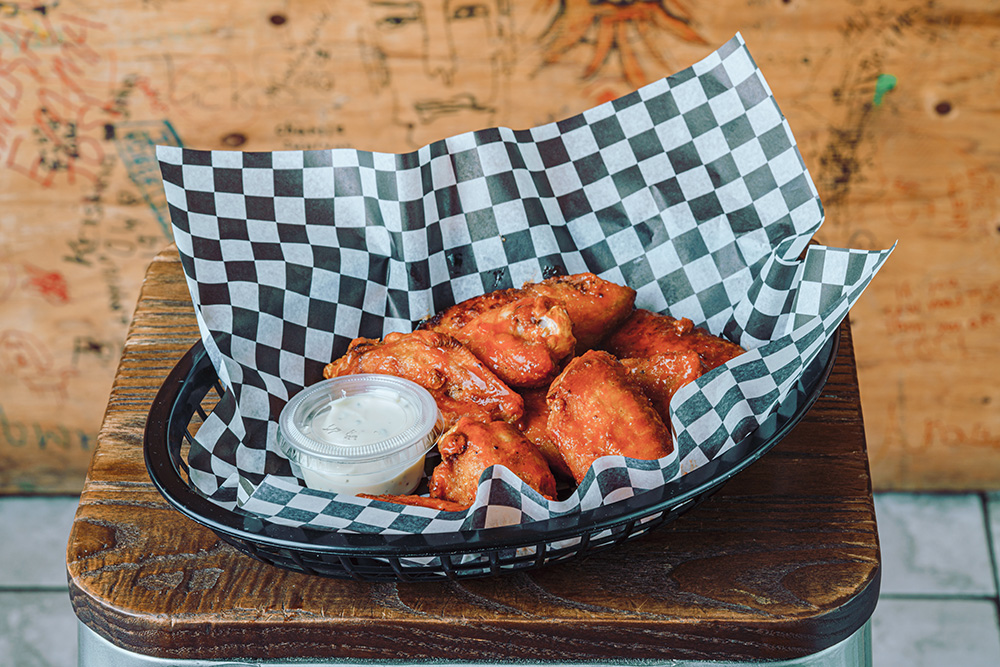
When it comes to the delightful culinary experience of indulging in chicken wings, a curious query arises: “How many wings are in a pound?” Understanding this seemingly straightforward question can unlock a richer appreciation of one of the most beloved appetizers. Whether you’re planning a gathering, ordering takeout, or embarking on a culinary adventure, grasping the nuances of chicken wings by weight can significantly influence your experience.
The intricate relationship between weight and quantity reveals itself in the world of chicken wings. Generally, a pound of chicken wings comprises about 8 to 10 wings, though this can fluctuate based on size—akin to the variance in a flock of birds. The size of each wing acts as a testament to its origin; wings from larger birds yield fewer pieces per pound than those from smaller breeds. While this variability may seem trivial, it opens the door to a multitude of culinary explorations, enriching both taste and texture.
In this guide, we will traverse the landscape of chicken wings, journeying through the standard sizes, cooking methods, and flavor profiles that intertwine with the question of quantity. Each facet contributes to the crafting of the ultimate chicken wing experience, reminiscent of a grand orchestra performing in perfect harmony.
Understanding Wing Cuts
To fully appreciate the query regarding chicken wings, one must first dissect the wing itself. Chicken wings are typically divided into three distinct sections: the drumette, the flat (or wingette), and the tip. Each segment offers its own unique mouthfeel and flavor, weaving together a tapestry of culinary delight. A standard wing order often comprises all three parts, making the experience as multifaceted as a work of art.
The drumette, resembling a miniature drumstick, is the meatiest portion, providing a satisfying bite. The flat, on the other hand, is coveted for its crispy skin and juicy content. The tip, while often overlooked, can be lovingly transformed into a crunchy treat when cooked to perfection. Understanding these segments is crucial, as the proportions may affect how many wings you ultimately receive in a pound.
The Size Factor
As we delve deeper, it becomes evident that size significantly influences wing yields. The weight of each wing can vary dramatically, creating a whimsical dance of numbers. A typical medium-sized wing can weigh approximately 1.5 to 2 ounces, whilst larger wings may tip the scales closer to 3 ounces. Therefore, when sourcing wings, it is essential to take into account not just the cut but also the size, akin to selecting the right instrument for an orchestra.
When purchasing wings, discerning between sizes can help avoid the disparity between expectation and reality. If you find yourself craving a substantial feast, opt for larger wings, which, though fewer in number, deliver greater satisfaction in each bite. Conversely, if hosting an event where guests can sample various flavors, smaller wings may allow for a wider array of options, facilitating a vibrant exploration of tastes.
Cooking Methods and Their Impact
The preparation method of chicken wings also plays a pivotal role in the overall experience. Whether you choose to fry, bake, grill, or smoke, each technique imparts unique characteristics, influencing both flavor and texture. Frying yields that iconic crispiness, while baking offers a healthier alternative without sacrificing moisture. Grilling adds a smoky dimension, akin to the sun setting in a glorious blaze of color, and smoking envelops the wings in a velvety richness that tantalizes the palate.
Additionally, these methods can alter the weight of the wings. During cooking, wings may lose moisture and fat, yielding a slightly reduced weight by the time they reach the table. This change can impact the number of wings you serve per pound, creating an unexpectedly engaging aspect to your culinary endeavor. The art of cooking wings becomes an intricate balancing act between flavor enhancement and weight management.
Pairing Sauce and Sides
Stepping beyond the wings themselves, the sauces and sides served alongside can dramatically elevate your culinary escapade. Classic buffalo sauce, tangy barbecue, or zesty garlic parmesan can jazz up your platter, each offering a different expression of flavor—a metaphorical palette of experiences. The sauce’s adherence to the wing can also affect the perceived weight; a thick coating might lead you to think you have more wings, while a lighter glaze offers a refreshing contrast.
When it comes to sides, consider celery sticks and blue cheese or ranch dressing as an excellent complement, enhancing the sensory experience. Much like a perfect pairing of wine and cheese, choosing the right accompaniments for your wings can elevate a simple snack into a memorable feast.
Conclusion
The whims of weight, size, and preparation coalesce in the crafting of chicken wings, ultimately leading to the question of “How many wings in a lb?” While the answer typically hovers around 8 to 10 wings, the true essence lies in the exploration of the experience that each wing offers. Whether you savor them alone or as part of a gathering, the journey through flavor, texture, and technique transforms the act of eating wings into a remarkable adventure. So, as you embark on your next wing escapade, remember: it’s not just about the number of wings on your plate, but rather the delightful symphony of flavors dancing upon your palate.









Leave a Comment