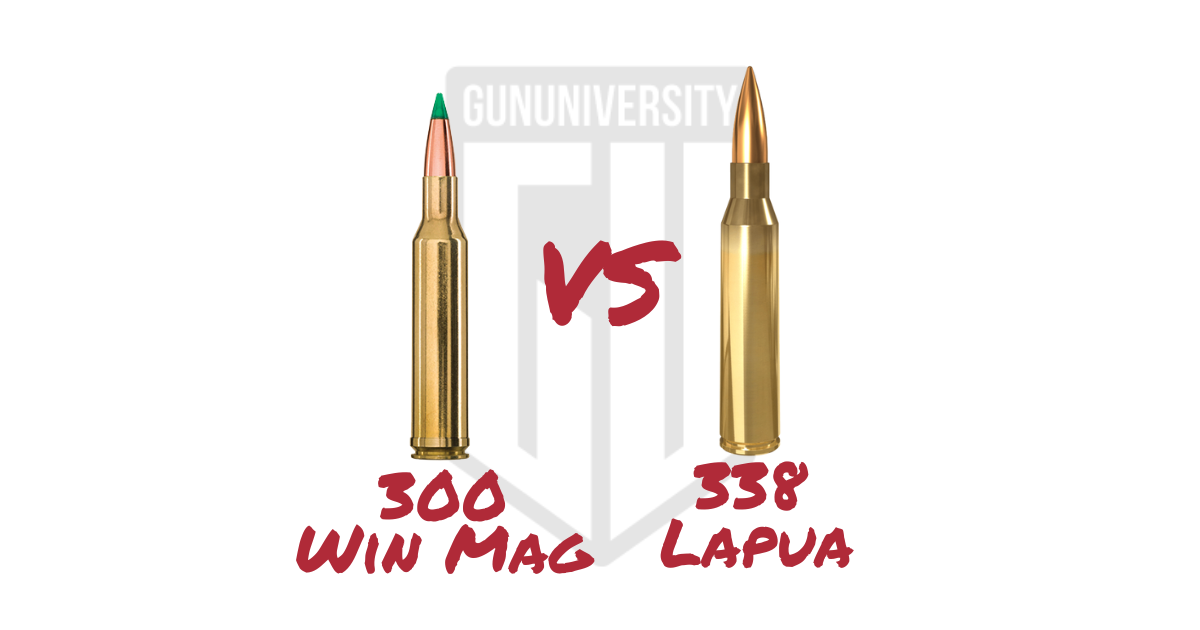
The debate between the 338 Lapua Magnum and the 300 Winchester Magnum is a prominent topic among shooting enthusiasts, hunters, and long-range precision shooters. As the firearms community continuously evolves, understanding the nuances of these two cartridge types can greatly enhance your shooting experience. This article delves into the characteristics, advantages, and disadvantages of both cartridges, offering a comprehensive comparison for those seeking clarity on which round might best suit their needs.
1. Historical Context
The 300 Winchester Magnum, introduced in 1963, quickly gained traction among hunters and competitive shooters. Its versatile capabilities made it a favorite for big game hunting and long-range shooting. Meanwhile, the 338 Lapua Magnum emerged in the 1980s as a military cartridge, primarily designed for long-range sniping operations. This background sets the stage for understanding the unique strengths and applications of each round.
2. Physical Characteristics
The 338 Lapua Magnum boasts a larger bullet diameter of .338 inches, while the 300 Winchester Magnum uses a .308-inch bullet. Consequently, the Lapua produces heavier projectiles, typically ranging from 250 to 300 grains, allowing it to deliver a substantial impact on target. In contrast, the 300 Win Mag generally utilizes bullets between 150 and 200 grains, emphasizing velocity and flat trajectory over sheer mass.
Additionally, the 338 Lapua’s case length is approximately 2.720 inches compared to the 2.620 inches of the 300 Win Mag. This difference in length allows the Lapua to accommodate a larger powder charge, translating into higher muzzle velocities and greater energy delivery at extended ranges. However, the larger case size also results in a heavier overall cartridge, which can affect shooting dynamics.
3. Ballistics Performance
When considering ballistics, the 338 Lapua Magnum exhibits superior performance in terms of energy transfer and wind resistance. With its heavier bullet construction, it retains kinetic energy effectively, making it an excellent choice for long-distance targeting and large game hunting. The Lapua’s ballistic coefficient is often superior, leading to less drop over extensive distances, which is a critical advantage at ranges exceeding 1,000 yards.
The 300 Win Mag, however, offers commendable velocity, particularly with lighter weight bullets, which can result in flatter trajectories suitable for extended ranges. Its effective range typically falls between 800 to 1,200 yards, though advancements in ammunition technology have allowed this cartridge to perform competently even beyond this range. With a slightly faster velocity than the 338, it may be preferred for target shooting where rapid follow-up shots are required.
4. Recoil and Shootability
One of the most palpable differences between these two cartridges is felt in recoil. The 338 Lapua Magnum is notorious for its stout recoil, which can be a deterrent for some shooters—especially those who prioritize comfort and sustained shooting sessions. The larger and heavier bullet results in significant kick, necessitating a well-constructed firearm and proper shooting techniques to mitigate excessive strain.
In contrast, the 300 Win Mag still produces considerable recoil but is generally more manageable for the average shooter. This factor can make all-day shooting sessions more enjoyable, allowing less experienced shooters to develop their skills without the intimidation of excessive punishment from their rifle. Ultimately, the choice between these calibers can hinge significantly on one’s tolerance for recoil.
5. Application and Versatility
In practical applications, the 338 Lapua Magnum excels in scenarios requiring extreme long-range precision, such as military applications or serious big game hunting, particularly for massive species like moose or bear. Its ability to remain effective over vast distances often makes it the cartridge of choice for dedicated long-range shooters and snipers.
The 300 Win Mag, while capable of similar performances, boasts a greater versatility across multiple shooting disciplines. It is highly effective for deer and elk hunting, as well as for target shooting and competitive events at various ranges. Moreover, its ammunition is more widely available, allowing for easier access and logistics compared to the 338 Lapua, which can sometimes be harder to source.
6. Cost and Availability
When it comes to cost, it’s no surprise that shooting the 338 Lapua Magnum is more expensive than the 300 Win Mag, both in terms of ammunition prices and the cost of rifles ideally suited for the cartridge. The latter, being more common, offers a broader spectrum of firearm choices ranging from budget options to high-end models without considerable sacrifice in performance.
Moreover, ammunition availability for the 300 Win Mag is significantly higher. Due to its longstanding popularity, it is widely stocked in various configurations, including different bullet weights and types. The 338 Lapua, while available, may require more specialized retailers or online orders, adding a layer of complexity for shooters looking to stock up.
Conclusion
In the battle of 338 Lapua vs. 300 Win Mag, the decision ultimately depends on the intended application and personal preferences. Those pursuing extreme long-range accuracy with the ability to tackle large game may favor the 338 Lapua Magnum for its robust performance characteristics. On the other hand, the 300 Winchester Magnum offers versatility, manageability, and ease of access, making it a perennial favorite among hunters and sport shooters alike. Both cartridges possess unique strengths and weaknesses, ensuring they each have their rightful place in the arms of enthusiasts around the globe.










Leave a Comment