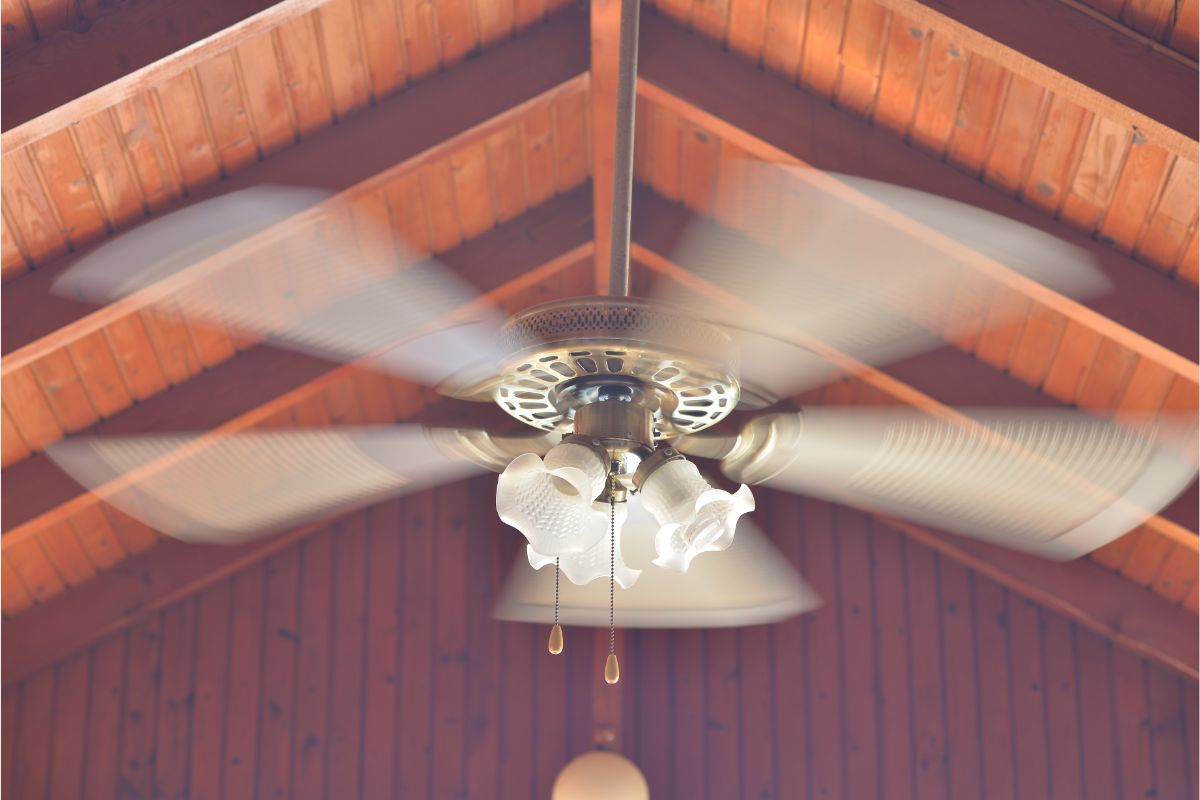
Ceiling fans have long been touted as a cost-effective cooling option, beloved for their ability to circulate air and create a refreshing breeze. However, a question lingers in the air—do ceiling fans use a lot of electricity? This inquiry transcends mere energy bills; it taps into our larger concerns about sustainability, environmental impact, and the intricacies of modern living. By delving deeper, one can unravel the layers behind this seemingly simple observation. Let’s explore the energetic efficiency of ceiling fans, their operational mechanics, and their overall role in energy conservation.
Understanding Energy Consumption
To begin assessing whether ceiling fans are electricity hogs, we must first comprehend how these devices operate. Ceiling fans typically run on small, energy-efficient motors that consume anywhere from 30 to 70 watts per hour, depending on their size, design, and speed settings. In comparison, traditional air conditioning units can use several thousand watts to cool a space. This stark contrast in energy usage often raises a palpable sense of relief among environmentally conscious consumers and budget-watchers alike.
A Deeper Dive into Wattage
Wattage is a unit of energy consumption that tells us how much electricity a device uses when operational. The wattage rating of ceiling fans is significantly lower than that of many household appliances. For example, a standard light bulb may consume between 60 and 100 watts, while a refrigerator runs on an average of 150 to 300 watts, depending on its size and model. By running a ceiling fan for hours at a time, you might consume only the equivalent power of a single light bulb. This understanding can dissolve any existing apprehensions regarding energy use.
Fan Speed and Efficiency
The efficiency of a ceiling fan also hinges on its operating speed. Many modern fans are equipped with multiple speed settings—often ranging from low to high—which can influence electricity consumption. A low-speed setting increases the fan’s longevity and minimizes energy expenditure, making it an ideal choice for those mild, temperate days. Meanwhile, higher speeds can rapidly boost the airflow in stuffy or humid environments, providing a respite during sweltering summers. On the flip side, running a fan at maximum speed for extended periods could translate into a modest uptick in energy usage.
Comparative Insight: Ceiling Fans vs. HVAC Systems
While the allure of ceiling fans lies in their economical consumption of electricity, juxtaposing them with more prominent cooling systems like HVAC units provides a clearer perspective. Central air conditioning is often necessary during extreme weather conditions, but it doesn’t come without its drawbacks. A central AC unit can consume upwards of 3500 watts per hour. In contrast, ceiling fans serve as a supplementary cooling method. When used in tandem with air conditioning, ceiling fans can assist in distributing cold air more evenly throughout a room, enabling the thermostat to be set at a higher temperature without sacrificing comfort. This synergy can lead to substantial energy savings, creating a harmonious balance in home climate control.
Seasonal Implications and Year-Round Utility
Ceiling fans are not just seasonal luxuries; they can be employed year-round to enhance comfort and efficiency. In warmer months, they can promote cooling through airflow, making the heat more bearable. Conversely, in winter, many fans have a reverse setting that circulates warm air trapped near the ceiling back down into the living space. This reverse operation does not demand significant additional electricity, yet it can enhance heating efficiency, thereby reducing reliance on traditional heating methods. Embracing the full capacity of ceiling fans thus transforms them into a multifaceted tool for energy management.
Environmental Impact and Sustainability
The sustainability aspect of utilizing ceiling fans can’t be overlooked. By reducing the demand for energy-intensive cooling systems, ceiling fans can significantly decrease a household’s carbon footprint. In the grander context of climate change, this transition toward more sustainable living practices is invaluable. The potential to lower electricity consumption means less reliance on fossil fuels, leading to cleaner air and a healthier planet. The very act of installing and employing a ceiling fan can act as a catalyst for conservation, echoing a collective responsibility toward environmental stewardship.
Conclusion: Making Informed Choices
In conclusion, the question of whether ceiling fans use a lot of electricity unveils a rich tapestry of energy dynamics, efficiency considerations, and environmental awareness. Their modest energy consumption relative to other appliances marks them as champions of electric savings. Moreover, when integrated mindfully into a broader climate control strategy, ceiling fans not only offer a cooler atmosphere but also foster a sustainable lifestyle. Thus, as we endeavor to make informed choices about our energy consumption, it becomes clear: ceiling fans represent a compelling remedy, harmonizing comfort and conservation in our daily lives.










Leave a Comment