Bowling alleys have long captivated the imaginations of enthusiasts, both casual and professional alike. Perhaps it is the thrill of a perfectly rolled strike, the sound of pins scattering, or the communal atmosphere filled with laughter and friendly competition. However, beyond these immediate joys lies a fascinating aspect often overlooked: the dimensions of a bowling alley. Understanding how long a bowling alley is not merely a technical inquiry; it opens up a broader conversation about the striking balance of design, functionality, and sport. This article delves into the intricacies of bowling alley dimensions, revealing not only their length but also the rationale behind this measurement and its significance in the bowling universe.
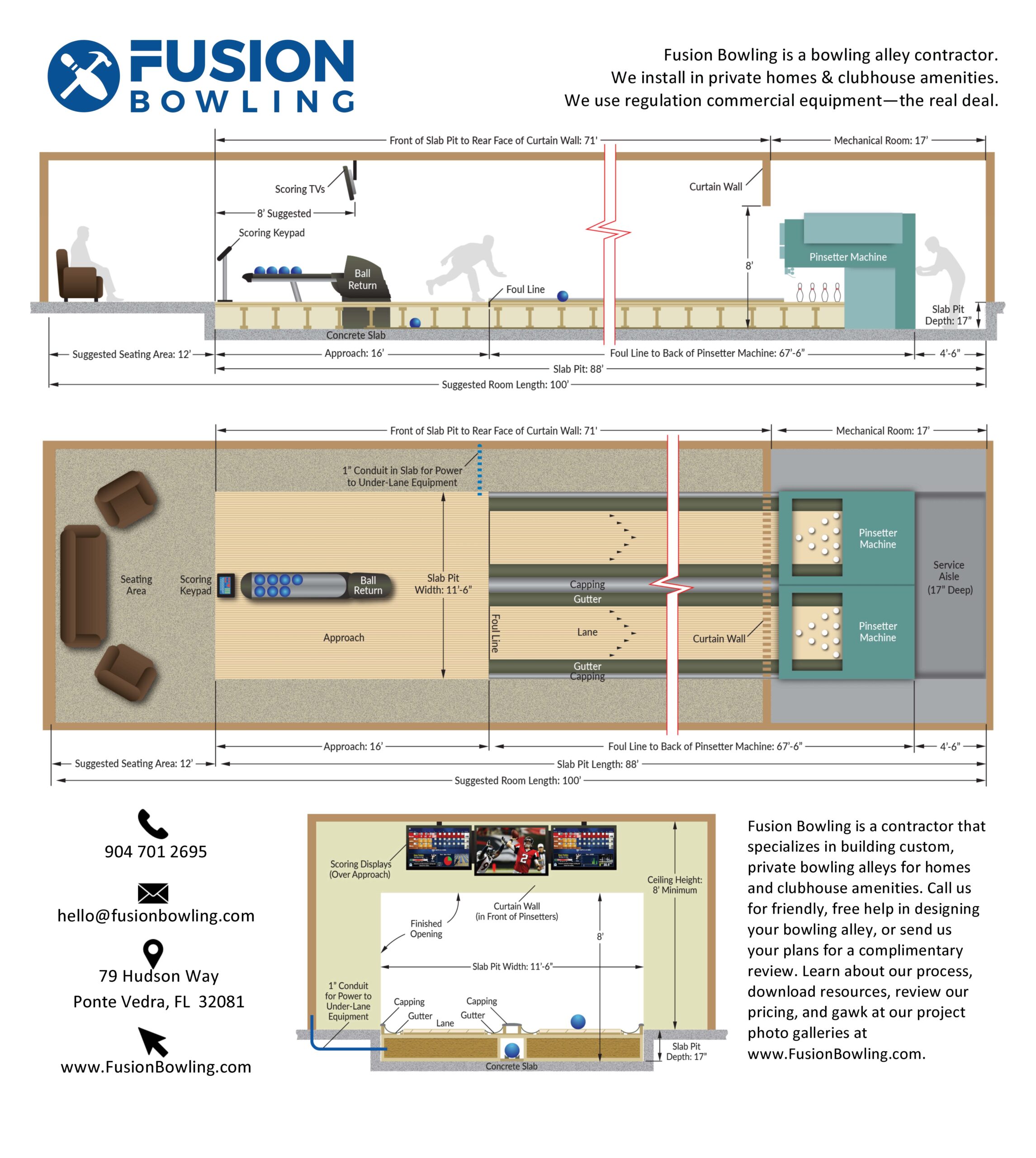
Bowling alleys are standardized in their design, particularly in terms of length. The United States Bowling Congress (USBC) specifies that the standard length of a bowling lane is precisely 60 feet from the foul line to the backboard. This measurement may seem straightforward, but it carries a weight of tradition and practicality. The lane’s length is critical for maintaining consistency across various bowling venues, whether they are found in local community centers or professional bowling tournaments.
But the measurement of a bowling alley does not conclude at the 60-foot mark. In addition to the lane itself, there are several components that contribute to the overall length of a bowling alley. The approach area, where bowlers take their steps before releasing the ball, typically extends another 15 feet. This area allows players to gain their footing, acclimate to the lane conditions, and build momentum. Consequently, when factoring in the approach area, a complete bowling alley stretches to approximately 75 feet. It’s a synergistic relationship between the lane and the approach that creates an ideal environment for a successful throw.
Moreover, at the end of the lane lies the pin deck, where the ten pins await their fate. The pin deck itself is usually about 3 feet deep, ensuring that it accommodates the assemblage of pins while allowing for optimal pin action when a ball strikes them. Thus, when one considers the pin deck, the entire length of a standard bowling alley can approach 78 feet. This comprehensive measurement underscores how every inch plays a vital role in the overall performance and experience of bowling.
To further enrich the discussion, it’s vital to explore why the bowling alley’s length is harmonized at these specific dimensions. The 60-foot distance stems from an amalgamation of physics, biomechanics, and sports science. A longer lane would increase the potential for varied throw techniques, placing greater emphasis on bowler skill and finesse. Conversely, a shorter lane may lend itself to less intricate skill, altering the dynamics of the game. The chosen length serves to enhance competitive fairness, allowing players of diverse abilities to engage with the sport on a level playing field.
Delving deeper, the dimensions of a bowling alley also reflect cultural and historical influences. Bowling has existed in various forms for centuries, tracing back to ancient civilizations. The modern incarnation has evolved significantly, but the core elements—the length of the lane, the placement of the pins—have roots steeped in tradition. Each bowling alley can be seen as a microcosm, embodying a community’s unique relationship with the sport, from friendly neighborhood tournaments to professional leagues.
Additionally, the design of a bowling alley plays a practical role in its functionality. The sightlines from the approach to the lane are carefully considered. Bowlers require a clear view of the pins while executing their throw, but they also benefit from a designated area to prepare mentally and physically. The seamless integration of length, width, and design principles showcases a profound understanding of both the sport and the human experience.
Bowling alleys vary in their overall configurations. While many closely adhere to the USBC standards for length and design, some bowling venues have tailored their lanes for specific purposes—be it recreational, competitive, or specialty leagues. Variations may yield different lengths in certain establishments, often introducing unique challenges or game formats. These variations speak to the dynamic and evolving nature of the sport, allowing for creativity and adaptability within the bowling community.
The allure of bowling extends beyond mere measurements; it encapsulates social interaction, sporting spirit, and personal achievement. Understanding the dimensions of a bowling alley enriches the experience, inviting players to reflect on their techniques, strategies, and passionate pursuits within the game. Engaging with the technical aspects of bowling offers not only a deeper appreciation for the sport but also enhances one’s ability to participate and excel.
In conclusion, while the standard length of a bowling alley is a defined 60 feet, the experience of bowling transcends this measurement. From the meticulous design elements to the cultural significance it harbors, every feature contributes to a rich tapestry of tradition and modernity. The next time you step onto a bowling lane, take a moment to ponder not only the distance before you but also the history, physics, and joy that come together in this beloved pastime. Whether aiming for a strike or enjoying the camaraderie of friends, the length of a bowling alley envelops a world of connection, skill, and passion in every roll.










Leave a Comment