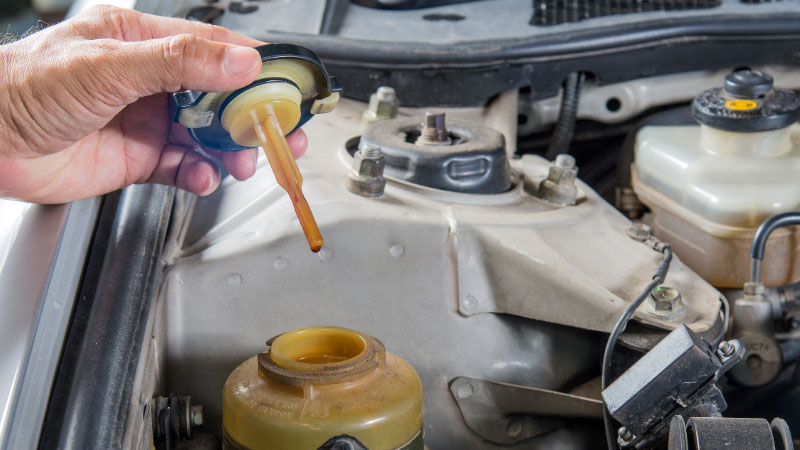
Have you ever found yourself wrestling with your steering wheel, wondering if it’s your car or your own strength that’s failing you? The challenge of low power steering fluid is one many drivers face, often with little understanding of the myriad symptoms that can arise. Power steering fluid plays a crucial role in ensuring smooth handling and driving comfort. When the levels dip below what is necessary, a host of issues can ensue. Let’s delve deeper into the nuanced symptoms of low power steering fluid, what they mean, and how to address them.
1. Difficulty in Steering
The most apparent and immediate symptom of low power steering fluid is difficulty in steering. This can manifest as excessive force needed to turn the steering wheel, particularly at low speeds or while parked. The hydraulic system relies on fluid pressure to assist steering motions. A noticeable change in the effort required to steer can signal an impending problem that must not be overlooked.
2. Noise During Steering Maneuvers
Another telling sign of low power steering fluid is the presence of unusual noises. If you hear whining, groaning, or squealing sounds while turning the wheel, it may indicate insufficient fluid supply. These sounds often stem from the power steering pump working extra hard to fulfill its function, leading to a potential failure if the problem is not rectified.
3. Vibrations in the Steering Wheel
Vibrations can be a disconcerting symptom of low power steering fluid. As the pump struggles due to a lack of fluid, it can cause the steering wheel to vibrate or wobble, particularly when navigating sharp turns or uneven surfaces. This can disrupt the driving experience and may indicate that the hydraulic system is on the verge of failure.
4. Fluid Leaks
Fluid leaks are often a precursor to low power steering fluid levels. If you notice puddles of reddish or brownish fluid beneath your vehicle, it’s likely power steering fluid making an escape. Regularly checking fluid levels and inspecting for exterior leaks can prevent further complications. Ignoring this sign can lead to more serious degradation of components and added repair costs.
5. Steering Wheel Warning Light
Modern vehicles often come equipped with various warning lights, including one specifically for steering fluid levels. Encountering this light on your dashboard is a clear indication that it’s time to take action. Consulting the vehicle’s manual can provide guidance on specific steps to take, but not addressing this warning promptly may lead to more severe issues.
6. Changes in Handling
Low power steering fluid can alter how your vehicle responds to steering input. You may notice a delayed response when turning the wheel, or the car may not shift as smoothly as it once did. The connection between the vehicle’s inputs and its reactions becomes tenuous, presenting a driving challenge that can be both unnerving and hazardous.
7. Burning Smell
A burning smell can indicate that the power steering fluid is overheating, which often occurs when there are low levels of fluid. Overheating causes the fluid to degrade, potentially leading to damage not only to the steering pump but to other hydraulic components as well. If you notice this smell, cease driving immediately and investigate further.
8. Erratic or Unresponsive Steering
If steering feels erratic or becomes unresponsive when trying to maneuver, it could signify a serious fluid deficiency. This symptom is particularly dangerous, as it can severely hamper your control over the vehicle, especially in high-speed situations. Addressing low power steering fluid levels promptly can prevent a potential accident.
9. Increased Wear on Components
Continued use of a vehicle with low power steering fluid can lead to increased wear and tear on essential components. The steering pump, in particular, is at risk, and replacing this can be both complicated and costly. Maintaining proper fluid levels ensures the longevity of your steering system and a more cost-effective maintenance routine.
10. Everything Comes Full Circle
Understanding and recognizing the symptoms of low power steering fluid is essential for every driver. Addressing these issues early can prevent the escalation of problems and keep your driving experience smooth and safe. It’s a quintessential aspect of vehicle maintenance that many neglect until it’s too late. Take a moment today to check your power steering fluid levels—consider it an investment in your vehicle’s health and your peace of mind.
In conclusion, steering challenges shouldn’t be taken lightly. Pay attention to your vehicle’s signals and keep a watchful eye on fluid levels. The symptoms of low power steering fluid can serve as an early warning system, helping you navigate the potential pitfalls of automotive troubles while maintaining your driving enjoyment. So, when was the last time you took a glance under the hood? It might be time to do so!











Leave a Comment