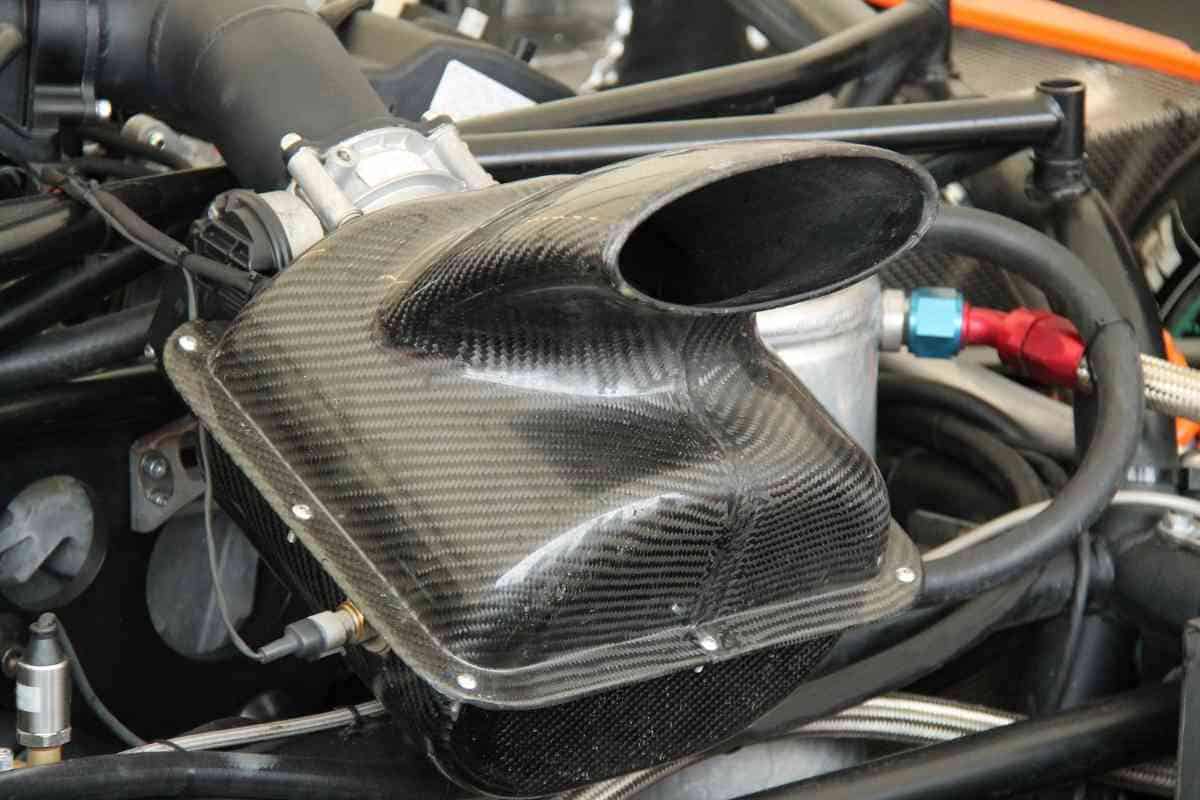
Are you seeking a way to invigorate your vehicle’s performance? Ever considered the potential benefits of a cold air intake system? In a world of constant automotive innovations, the cold air intake system has become a popular modification among car enthusiasts and casual drivers alike, promising enhancements ranging from improved horsepower to increased fuel efficiency. But what exactly does this system do, and how does it impact your vehicle? Let’s delve into the intriguing mechanics of cold air intake systems and unveil their transformative properties.
1. Fundamentals of Air Intake Systems
Before we venture deeper, it’s crucial to comprehend the fundamental role of air intake systems. At their core, these systems are designed to channel air into the engine’s combustion chamber. Internal combustion engines thrive on the precise mixture of air and fuel; thus, the efficiency of this air delivery plays a pivotal role in the vehicle’s overall performance.
2. The Essence of Cold Air Intake
A cold air intake system, specifically, modifies the standard air intake setup to enhance performance. The primary distinction lies in the system’s ability to draw in cooler air from outside the engine bay rather than relying on the hotter air circulating within the engine compartment. Why is cooler air advantageous? Cooler air is denser, containing more oxygen molecules per volume, leading to more effective combustion when mixed with fuel.
3. Unpacking Performance Gains
The enticement of installing a cold air intake system often stems from its promise of performance gains. Drivers may experience:
- Improved Horsepower: One of the most touted benefits is an increase in horsepower. By allowing your engine to breathe better, cold air intake systems can produce noticeable gains—some manufacturers report increases ranging from 5 to 15 horsepower.
- Enhanced Torque: Torque is equally crucial for acceleration. A well-designed cold air intake can boost torque output, allowing for increased responsiveness and a more exhilarating driving experience.
- Increased Fuel Efficiency: In some cases, upgrading to a cold air intake can lead to improved fuel economy. With more oxygen entering the combustion chamber, the engine can burn fuel more efficiently, which could translate to fewer trips to the gas station.
4. Understanding Air Filteration
A cold air intake system often incorporates advanced air filters designed to capture more particulate matter than standard filters. These specialized filters are crafted from materials such as cotton or synthetic fibers, allowing for improved airflow while ensuring harmful debris is kept at bay, thereby protecting the engine.
5. Installation Insight
The installation process presents both excitement and challenges for the DIY-minded driver. Generally, these systems come with comprehensive installation kits, making the transition relatively seamless for those with basic mechanical skills. However, it’s wise to be aware of potential hurdles, including:
- Compatibility Issues: Not all cold air intakes fit every make and model. Ensuring compatibility is essential to avoid unnecessary modifications.
- Calibration Requirements: After installing a cold air intake, recalibrating the engine’s computer may be necessary for optimal performance.
- Legal Considerations: In some regions, aftermarket modifications can result in legal complications regarding emissions regulations, so it’s imperative to verify local laws before proceeding.
6. Aural Experience
In addition to performance enhancements, many enthusiasts appreciate the auditory experience provided by a cold air intake system. The intake system often produces a more aggressive intake noise, heightening the thrill of acceleration and infusing the driving experience with an invigorating symphony of sounds. It can provide audio feedback that reinforces the connection between the driver and the machine, a subtle yet compelling appeal.
7. Common Misconceptions
Despite their popularity, several misconceptions surround cold air intake systems. Some might insist that these systems alone transform an ordinary vehicle into a racing powerhouse. In reality, while the performance gains can be significant, they often complement other modifications. Relying solely on a cold air intake for major gains can lead to disappointment. Furthermore, some drivers are concerned about rain entering the intake; however, properly designed systems typically mitigate this risk with strategic placements and protective measures.
8. The Need for Regular Maintenance
Lastly, like any aftermarket addition, a cold air intake requires diligent maintenance to sustain its performance advantages. Keeping the air filter clean and inspecting it regularly for obstructions is integral. Some filters are reusable, allowing for washing and reinstallation, which is not only eco-friendly but also cost-effective in the long run.
In conclusion, a cold air intake system serves as a fascinating gateway to enhancing your vehicle’s performance. While it boasts an array of benefits, such as improved horsepower, torque, and fuel efficiency, it is crucial to approach this modification with informed enthusiasm. As you contemplate the transformative potential of a cold air intake system, ask yourself—are you ready to embark on this exhilarating journey of performance enhancement? With due diligence and proper installation, you may just unlock the hidden potential of your machine, offering a new chapter in your driving narrative.









Leave a Comment