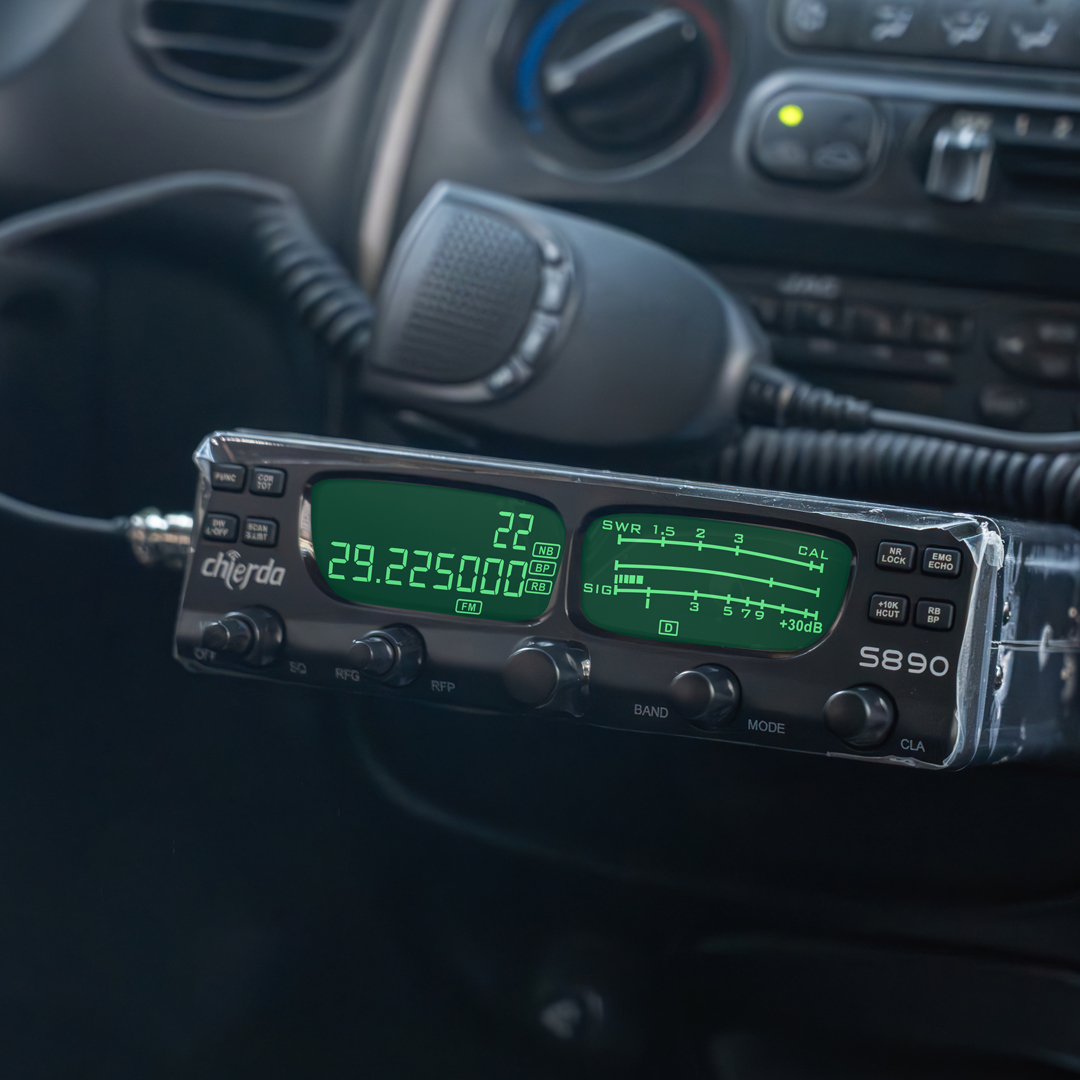
In the bustling symphony of the open road, where asphalt ribbons stretch endlessly beneath heavy rigs, one might wonder whether the cacophony of modern technology has drowned out the simple, yet powerful, resonance of the citizens of the highways: the truckers. Enter the citizen band (CB) radio—a relic of an era gone by, an unsung hero in the tale of long-haul trucking. Does it still have a role in this contemporary narrative? The answer, nestled among the whirring engines and rolling wheels, is as layered as a complex melody.
The world of trucking is not merely a profession; it is a culture steeped in camaraderie, tradition, and a unique dialect that echoes through the frequencies. At its core, the CB radio is akin to a lighthouse guiding ships in a storm. For truckers, it serves as a beacon of communication amidst the chaos of the road. While smartphones and GPS systems have revolutionized navigation and connectivity, many long-haul drivers still cling to their CB radios as a form of lifeline—an avenue of real-time, unfiltered communication.
Tracing the lineage of CB radios leads us through history, back to the ’60s and ’70s, when these devices became the lifeblood of trucking. In the midst of the oil crisis and the burgeoning highway system, CB radios offered truckers a way to communicate about more than just logistics; they shared gossip, safety tips, and the comradery of shared experiences on the road. They were the pulse of the freight highways, buzzing with exchanges that crafted a sense of community. The outlaw spirit of that era, captured in films like “Smokey and the Bandit,” symbolized a rebellion against the mundane, where conversations flowed as freely as the miles rolled by.
Fast forward to the modern age. The advent of smartphones and sophisticated GPS devices has undeniably transformed trucking. Yet, much like a classic vinyl record spinning amidst a digital playlist, the CB radio retains an irreplaceable charm. It offers immediacy and authenticity that today’s tech cannot replicate. When a trucker hears a voice crackling through the static, they are connected not just to a device but to a fellow traveler navigating the same vicissitudes of the road.
The utility of CB radios remains pronounced for several reasons. Firstly, they provide critical real-time information about road conditions that GPS systems may not communicate, such as traffic jams, accidents, or speed traps. Imagine a populous city, bustling with activity; amidst structured chaos, the CB radio becomes a direct line to an ever-evolving narrative of the road, providing insights that can make or break a journey.
Moreover, the sense of community fostered by CB radios is unrivaled. Truckers often describe their relationship with the radio as akin to a family reunion. They share their locations, ask for assistance, and even exchange friendly banter during lonely stretches. This rich tapestry of interpersonal connections marks a vital aspect of the trucking culture, countering the isolation often experienced on long hauls.
While some may argue that reliance on CB radios is dwindling in light of modern technology, a closer inspection reveals a duality. Many truckers utilize both CB radios and mobile technology; the former for its immediacy and personality, the latter for its functions and features. This partnership combines the best of both worlds, allowing drivers to seamlessly traverse between the personal and the practical.
The role of CB radios is also evolving. As younger generations of truckers take to the highways, they often embody a fusion of traditional and contemporary practices, integrating social media and mobile apps alongside the timeless appeal of CB communication. This hybridization signifies an adaptive culture that respects the past while embracing the future. The essence of the CB remains, albeit woven through a modern tapestry of connectivity. For every Snapchat story shared, there exists an equally significant conversation on the CB channel, proving that both mediums coexist. That synergy magnifies the allure of the road, a symphony harmonized by diverse instruments.
Furthermore, the variety of CB radios available today caters to broader preferences, ranging from basic models to high-end systems equipped with advanced features. This diversification allows truckers to select devices that best fit their operational needs and personal tastes. More than just tools for communication, these radios often become an expression of the individual’s identity, much like how a personalized rig reflects the driver’s journey.
In the grand narrative of trucking, CB radios emerge not just as relics but as stalwart companions of the long-haul experience. They reflect a culture built on connections, camaraderie, and a shared love for the open road. While navigational technology continues to advance, the simple yet profound act of communicating through a CB radio retains its unique allure. The voices that crackle through the airwaves connect truckers to one another and the tactile realities of life on the road—a beautiful juxtaposition against an ever-evolving digital landscape.
In conclusion, as the wheels of the trucking industry continue to roll along the asphalt ribbons of America, the CB radio stands as a testament to tradition in a swiftly changing world. It survives as a cherished artifact, a comedic companion, and an essential tool, proving that in the great expanse of highways, the human connection remains the most powerful force of all. Truckers may have many tools at their disposal today, but the humble CB radio still plays a pivotal note in the symphony of life on the road.










Leave a Comment