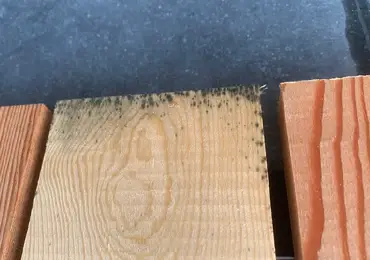
Black mold on wood is a pervasive issue that can not only compromise the integrity of your wooden structures but also pose significant health risks to humans and pets. This article will delve into the intricacies of black mold, exploring its types, characteristics, health implications, prevention strategies, and remediation methods. By gaining a comprehensive understanding, you can better protect your living environment from the detrimental effects of this insidious fungus.
Understanding Black Mold
Black mold, scientifically known as Stachybotrys chartarum, thrives in damp and humid environments. It is a type of fungus that can appear as a dark green or black patch, typically accompanied by a musty odor. Its spores can be airborne, proliferating in indoor settings where moisture is prevalent. Understanding the basic biology and life cycle of black mold is essential for recognizing its presence and implementing effective control strategies.
Types of Mold Found on Wood
Mold can take many forms, and while black mold is notorious, other types also affect wood. These include:
- Aspergillus: This mold can be green, yellow, or black and often appears in indoor spaces. It thrives on organic materials such as wood when moisture is present.
- Penicillium: Typically blue or green, Penicillium mold often grows on damp wood surfaces and can produce mycotoxins.
- Cladosporium: Often found outdoors, this mold can also thrive in homes, appearing in dark green or black hues. It typically grows on wood subjected to prolonged moisture.
Distinct Characteristics of Black Mold
Identifying black mold requires an acute awareness of its characteristics. Black mold appears as flat, black, or dark green spots, often with a velvety texture. The presence of excessive moisture is a surefire sign of potential growth. Unlike other types of mold, black mold needs a consistent humidity level above 60% to flourish.
Furthermore, black mold releases mycotoxins that can adversely affect health, making it both a cosmetic concern and a hazard to well-being. Its growth can lead to wood rot, compromising structural integrity if not addressed promptly.
Health Implications
The risks associated with black mold exposure are multifaceted. Prolonged inhalation of mold spores can result in respiratory issues, allergic reactions, and other health complications. Symptoms may include nasal congestion, chronic cough, skin irritation, and even severe outcomes like lung infections. Vulnerable populations, such as individuals with pre-existing respiratory conditions, infants, and the elderly, are particularly at risk. Awareness and timely remediation are crucial to mitigate these health effects.
Causes of Black Mold Growth on Wood
Black mold thrives in environments characterized by moisture. Key contributors to mold growth on wood include:
- Water Damage: Leaks from roofs, pipes, or faulty plumbing can introduce excess moisture to wooden structures, fostering an environment ripe for mold.
- Humidity: High humidity levels, especially in basements and attics, create the perfect conditions for mold spores to germinate and flourish.
- Condensation: Poor ventilation can lead to condensation on wooden surfaces, further aggravating moisture accumulation.
Preventing Black Mold on Wood
Preventative measures are crucial in thwarting mold growth. The primary strategies include:
- Humidity Control: Maintain indoor humidity levels below 60%. Dehumidifiers can be instrumental in damp basements or other moisture-rich areas.
- Proper Ventilation: Ensure adequate airflow in your space, particularly in high-moisture areas like kitchens and bathrooms. Use exhaust fans to dispel humidity.
- Regular Inspections: Conduct routine checks for leaks or signs of water damage. Early detection can prevent mold development.
Remediation Techniques
Should black mold be discovered, prompt remediation is essential. Here are effective methods for tackling this problem:
- Safety Precautions: Always wear protective gear including masks and gloves while dealing with mold to avoid inhaling spores.
- Containment: Seal off the contaminated area to prevent spores from spreading throughout the home during cleanup.
- Cleaning Solutions: Utilize a mixture of detergent and water, or commercial mold removers, to scrub mold off wooden surfaces. For severe infestations, professional services may be warranted.
- Drying and Repair: After cleaning, thoroughly dry the affected wood, and repair any structural damage to prevent recurrence.
Conclusion
Understanding black mold on wood is vital for anyone hoping to maintain a healthy home environment. By familiarizing yourself with its characteristics, health implications, causes, preventive strategies, and remediation techniques, you’re better equipped to handle potential issues. Prevention truly is the best medicine; by being proactive and vigilant about moisture control and cleanliness, you can significantly reduce the risks associated with black mold. Don’t let this microscopic menace compromise your health and home—take action today.








Leave a Comment