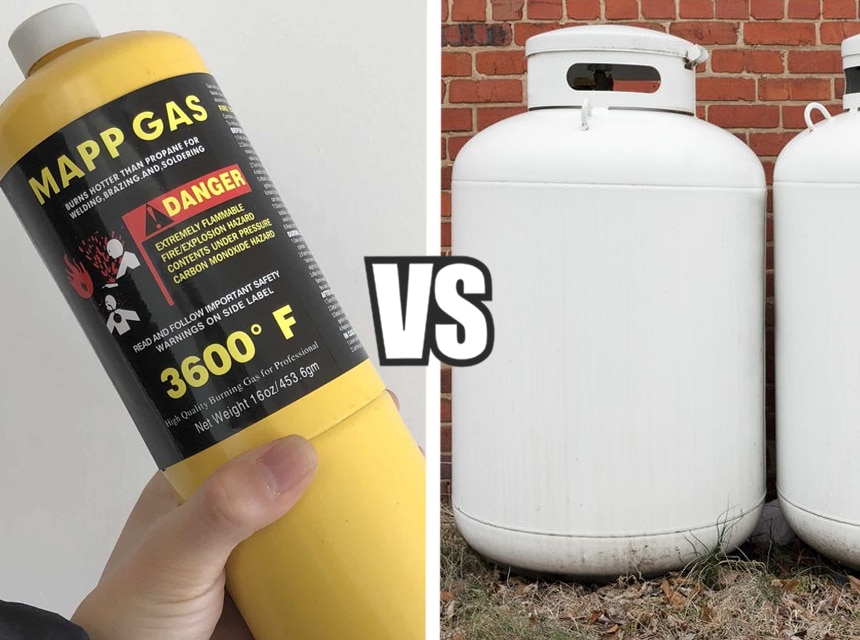
When it comes to heating, welding, and various industrial applications, the choice between MAPP gas and propane often raises eyebrows and ignites debates. While both serve similar purposes, an exploration into their distinct properties, uses, and advantages reveals a fascinating dichotomy. Understanding these differences promises not only to broaden your understanding but also to challenge preconceived notions about these two common fuels. This article delves into the nuances of MAPP gas and propane, allowing you to appreciate their unique attributes and make informed decisions.
1. What Are MAPP Gas and Propane?
MAPP gas, an acronym for Methyl Acetylene-Propadiene Propane, is a gaseous fuel that was once a popular choice for various welding and heating applications due to its high temperature and versatility. Propane, a byproduct of natural gas processing and petroleum refining, boasts a long-standing reputation as a reliable fuel source for residential heating, outdoor cooking, and other applications. Though MAPP gas has largely been phased out in many regions due to safety and environmental concerns, understanding its characteristics in contrast to propane offers valuable insights into fuel selection.
2. Composition and Chemical Properties
The chemical compositions of MAPP gas and propane set the stage for their unique behaviors and applications. MAPP gas is primarily a mixture of hydrocarbons, including methyl acetylene and propadiene. This composition lends it a higher flame temperature of approximately 3,730°F (2,050°C) when combined with oxygen, making it exceptionally effective for tasks requiring intense heat. In contrast, propane, primarily composed of C3H8, produces a flame temperature around 3,600°F (1,982°C) with oxygen. The slightly lower temperature may not seem significant, but it influences usability in specific applications.
3. Applications in Industry
The applications for MAPP gas and propane diverge significantly, sculpting the industries they serve. MAPP gas has historically found favor in welding, brazing, and soldering due to its ability to melt metals at higher temperatures than propane. Additionally, it has been employed in the glassblowing and ceramics fields for similar reasons. However, as MAPP gas has become less available, many professionals have pivoted to alternative fuels, including acetylene and propane.
On the other hand, propane is a multifaceted fuel with widespread usage ranging from household heating and cooking to powering commercial equipment. In the realm of barbecues, RVs, and outdoor heaters, propane reigns supreme, making it a fixture in many backyards across the country. Its versatility is bolstered by its accessibility, making it an easily obtainable option for both residential and industrial purposes.
4. Efficiency and Performance
When assessing the efficacy of MAPP gas versus propane, key performance metrics come into play. MAPP gas, with its superior temperature capabilities, excels in precision work such as welding thin materials and heat-treating metals. The intense heat can achieve results that propane cannot, particularly in professional applications necessitating meticulous control.
However, propane’s performance shines in chilled environments, where its properties remain stable. It ignites easily and burns cleanly, proving less likely to produce soot or other residues that can cause operational inefficiencies. While MAPP gas may have the edge in specific high-heat applications, propane’s usability across various temperatures and conditions places it in high demand.
5. Safety Considerations
Safety should always be at the forefront of fuel selection and handling. MAPP gas typically presents some higher risks; its flammable components require careful management during storage and use. The intense flame from MAPP gas can lead to unwarranted hazards if mishandled, making it crucial for users to employ appropriate protective measures. Adhering to guidelines and being well-versed in safety precautions are vital when working with this gas.
Conversely, propane may be regarded as a safer alternative due to its relatively stable characteristics. Its risk of explosion may be lower when appropriately used in standard applications. That said, it too requires attention to safety protocols—like proper storage in well-ventilated areas and checking for leaks before use—to mitigate hazards.
6. Environmental Impact
The environmental implications of using MAPP gas versus propane cannot be overlooked. Propane is often heralded as a more environmentally friendly option, releasing fewer greenhouse gases compared to other fossil fuels. As a low-carbon energy source, it contributes to reduced air pollution and is often utilized in cleaner-burning applications.
MAPP gas, on the other hand, faces scrutiny regarding its production methods and emissions within the atmosphere. While both gases emit some level of carbon dioxide when burned, propane’s cleaner combustion process positions it favorably in discussions regarding sustainable energy sources.
7. Cost Factors
Examining costs is essential in understanding the practicality of MAPP gas versus propane. MAPP gas can sometimes be pricier than propane, largely attributed to its less widespread availability and the complexities involved in its production. Due to this factor, industries and consumers alike must consider not only the price per unit but also the value and efficiency the gases provide for their specific applications.
Propane, being more widely available and versatile, often comes at a lower price. Its stability as a fuel source for a multitude of applications contributes to its continual popularity. The economic implications can influence a decision-making process heavily weighted toward practicality and budget constraints.
Conclusion
In conclusion, the MAPP gas versus propane debate reflects a broader conversation about the best fueling options for various needs. While MAPP gas may captivate those who seek high temperatures for specialized applications, propane showcases its prowess as a reliable, versatile, and environmentally-friendly fuel source. Understanding the distinctions between these gases invites a more informed and nuanced perspective, ultimately empowering individuals and industries to choose the most suitable fuel for their requirements. The journey through the intricacies of fuel choice underscores the importance of knowledge in making decisions that can affect everything from efficiency to environmental sustainability.









Leave a Comment