Wiring a toggle switch is akin to untangling a web of relationships – intricate yet satisfying once you achieve clarity. The toggle switch, an unassuming device, serves as a crucial intermediary, helping you navigate the otherwise chaotic realm of electrical circuits. Its unique charm lies in its simplicity and versatility, acting as the gatekeeper of power to various devices. Whether you’re illuminating your space or controlling machinery, understanding how to wire a toggle switch will not only empower you but also usher you into the world of DIY craftsmanship.
Understanding the Components
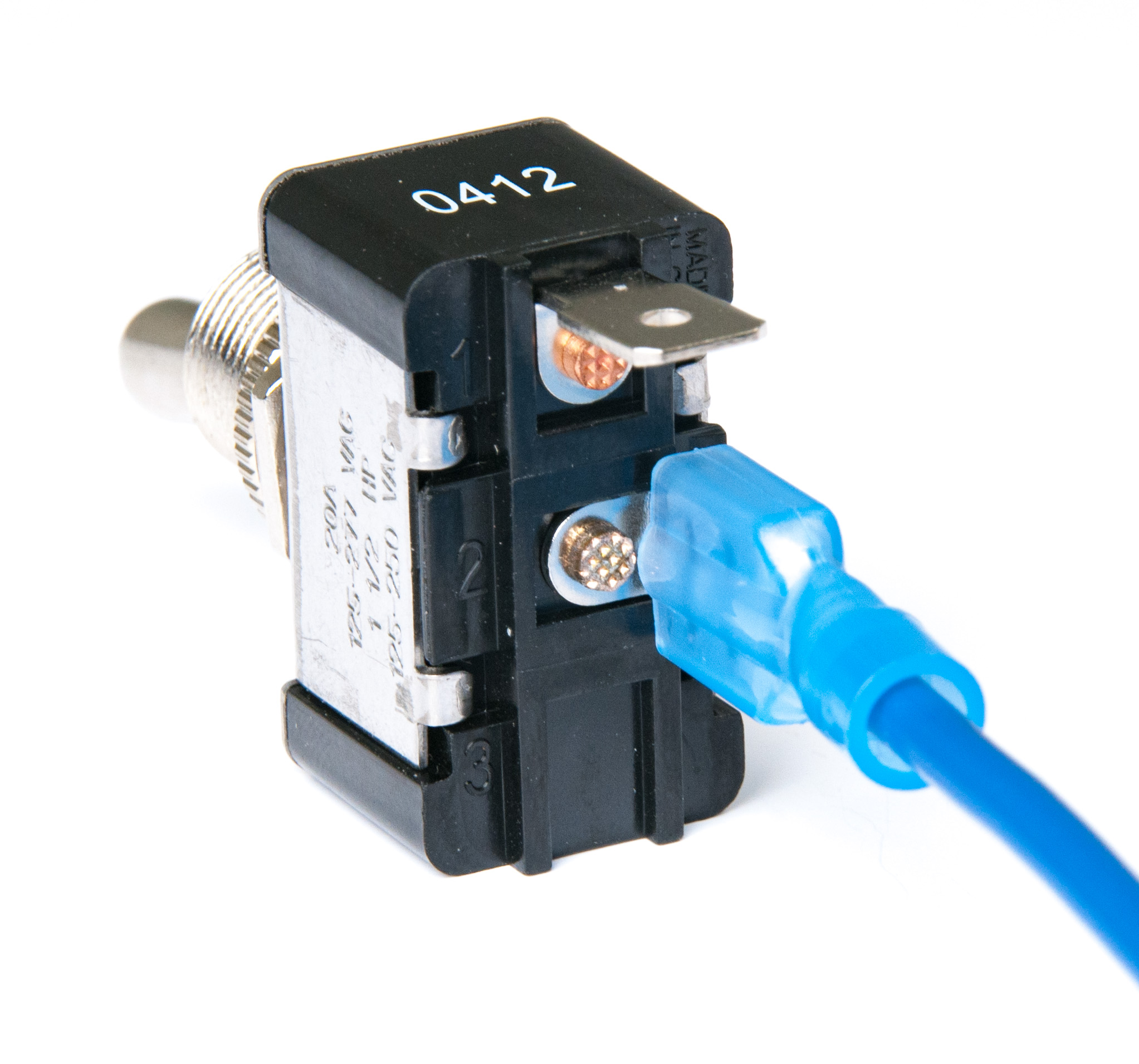
Before wielding your tools, familiarize yourself with the toggle switch itself. Picture this device as a traffic cop at a busy intersection: it regulates the flow of electricity, allowing you to control when power is granted or withheld. A typical toggle switch consists of terminals where wires attach, a metal actuator that you toggle on and off, and a plastic housing that offers protection. The three main terminal types—common (COM), normally open (NO), and normally closed (NC)—are pivotal to the switch’s functionality. Comprehending these components is paramount as you embark on your wiring journey.
Gathering Your Tools
Befitting a skilled artisan, the correct tools are the foundation of your project. Equip yourself with the following:
- Screwdrivers: Both flathead and Phillips head for securing connections and mounting the switch.
- Wire Strippers: For exposing copper beneath the insulation, allowing pristine connectivity.
- Electrical Tape: To ensure safety and insulation against shorts.
- Voltage Tester: Essential for ensuring your circuits are devoid of power before you work.
- Wires: The lifeblood of your circuit, typically 14 or 16 gauge for most household applications.
With your tools gathered, envision the connections as threads in an elaborate tapestry, each strand vital to the final picture.
Choosing the Right Switch
Next, consider the purpose of your toggle switch; its capacity and rating must align with the voltage and amperage requirements of the devices you plan to control. A switch not suited for the demand may become a tempest of electrical failure. For instance, if you’re wiring a light fixture, a standard toggle switch rated for 15 amps will suffice. However, for high-wattage appliances, you may need a switch rated for 20 amps or more. It’s the difference between a flickering candle and a blazing bonfire – choose wisely.
Safety First
Assemble your courage, but heed the whispers of safety. Before initiating the wiring process, shut off the circuit breaker that powers the area you’ll be working on. Engage your voltage tester to ensure the wires are indeed devoid of power. Remember, electricity is like a lion – beautiful yet dangerous. Respect its power.
Wiring the Toggle Switch
Now, the moment of truth arrives. Begin with the following steps:
- Prepare the Wires: Strip about half an inch of insulation from each wire using your wire strippers, revealing the shiny copper underneath. These will be the connections that invigorate your toggle switch with life.
- Connect the Common Terminal: The terminal labeled COM is typically the power source. Attach the hot wire (usually black) from your power supply to this terminal. Tighten the screw securely, ensuring a snug connection that can withstand the test of time.
- Attach the Normally Open Terminal: For most applications, the wire leading to the device you wish to control will connect to the NO terminal. This wire, often red, will complete the circuit when the switch is toggled “on.”
- Secure the Normally Closed Terminal (if applicable): If your design warrants, connect a wire to the NC terminal. This connection is usually reserved for circuits that require power when the switch is off. It’s a hidden path in the labyrinth.
- Insulate and Secure: Wrap the connections with electrical tape, ensuring no exposed wire is left naked. Mount the switch in its designated location, employing screws to secure it, bringing a sense of permanence to your creation.
Testing Your Work
With everything connected, it’s time for the grand reveal. Turn the circuit breaker back on and test your toggle switch with bated breath. Flip the switch and observe its impact on the device. If the appliance hums to life, you’ve successfully navigated the maze and emerged victorious! If not, return to the beginning, retracing your steps to identify where the path may have diverged.
Conclusion
Wiring a toggle switch transforms mere components into a conduit of control, allowing you to orchestrate the symphony of electricity with finesse. Like the drawing of a bowstring before releasing an arrow, it requires precision and intention. As you master this skill, you not only illuminate your spaces but also empower yourself to tackle greater challenges in the realm of electrical work. Embrace this newfound knowledge, for it is the foundation upon which further adventures in DIY endeavors can be built–a beacon of creativity and practicality entwined.









Leave a Comment