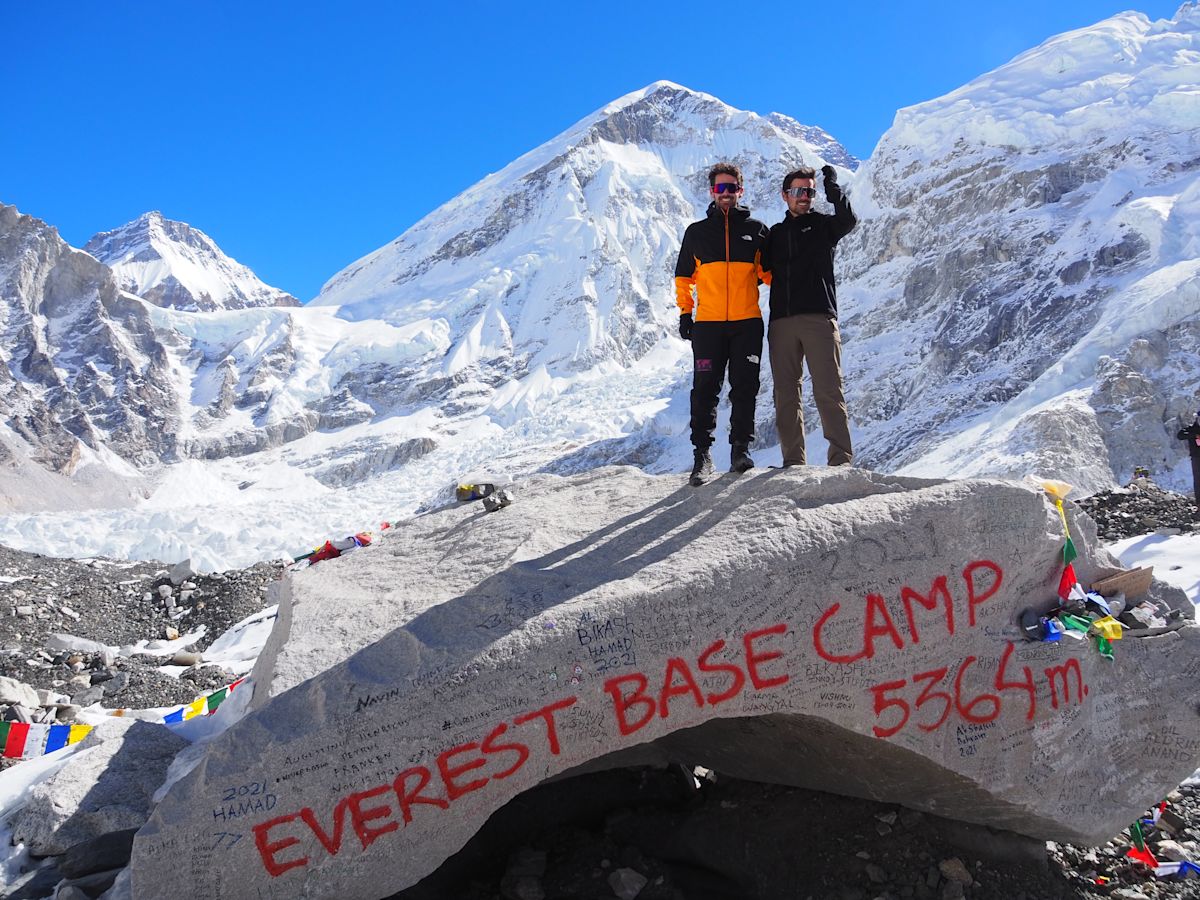
As adventurers contemplate the daunting trek to Everest Base Camp, they find themselves anticipating not just the breathtaking vistas but also the physiological challenges posed by the altitude. Nestled at an elevation of approximately 5,364 meters (17,598 feet) above sea level, Everest Base Camp (EBC) is the launchpad for numerous climbers aspiring to summit the world’s highest peak. This article delves into the multifaceted experience of altitude at Everest Base Camp, elucidating the physiological effects, acclimatization strategies, and the enchanting landscapes that intrigue trekkers and mountaineers alike.
Before embarking on this exhilarating journey, it’s crucial to appreciate the significance of altitude. The dramatic elevation of EBC presents an array of hurdles that can affect even the most seasoned trekkers. At about 5,364 meters, the air pressure is only around 53% of what one experiences at sea level. Consequently, the partial pressure of oxygen diminishes significantly, challenging the body’s ability to sustain adequate oxygen levels—a phenomenon known as high-altitude sickness. This condition can manifest in various forms, ranging from mild headaches and dizziness to severe complications requiring immediate descent.
Understanding the symptoms of altitude sickness is essential for any trekker. Common indicators include nausea, insomnia, and a decrease in physical performance. More severe cases can lead to Acute Mountain Sickness (AMS), High Altitude Pulmonary Edema (HAPE), or High Altitude Cerebral Edema (HACE), conditions that can be fatal if not recognized early. It is vital for trekkers to monitor their bodies closely, listen to their instincts, and not hesitate to descend if symptoms worsen.
Acclimatization constitutes a critical element in counteracting altitude-related ailments. When trekking to EBC, a gradual ascent is paramount; many itineraries are designed with strategic rest days that allow trekkers to acclimatize properly. This process involves ascending to higher altitudes during the day, then descending to sleep at lower elevations—a strategy that bolsters the oxygen-carrying capabilities of hemoglobin in the blood. Adequate hydration is also indispensable; drinking copious amounts of water helps maintain bodily functions, particularly in the dry, high-altitude environment.
Every trekker’s experience at Everest Base Camp is unique, often influenced by several factors including age, physical fitness, and prior acclimatization to high altitudes. Older adults may find themselves struggling more at extreme elevations, while those with prior experiences at similar altitudes can often cope better. Thus, individual responses to EBC’s altitude can vary wildly, making it quintessential for trekkers to heed personalized advice from seasoned guides.
While the challenges of high altitude are perilous, the rewards of the journey are immeasurable. The trek to Everest Base Camp meanders through vibrant Sherpa villages, verdant forests, and awe-inspiring glacial landscapes. Amidst these natural spectacles, trekkers encounter the warmth of local culture, including traditional Sherpa hospitality and opportunities to visit ancient monasteries. Interacting with the local inhabitants enriches the experience, providing insights into their ways of life amidst such formidable surroundings.
Photographers find EBC to be a veritable paradise, with stunning vistas affording ample chances for breathtaking imagery. Iconic sights such as the Khumbu Icefall, with its towering seracs and crevasses, serve as a testament to the raw power of nature. Capturing sunset over the Himalayan peaks, where the golden hues mingle with blush pinks, generates memories that will last a lifetime. For many, it is not merely the destination but the journey itself that speaks volumes.
As you approach Everest Base Camp, the anticipation mounts. The climactic moment of standing amidst the majesty of the world’s highest peaks can be overwhelming. The climbers returning from their ambitious forays also share their stories of triumphs and tribulations. As exhilarating as it is to be at the foot of the mighty Everest, it is also a poignant reminder of nature’s grandeur and the respect it demands. The camaraderie forged during the trek, the shared experiences of adrenaline and awe—these are key facets that enrich the trek beyond the physical exertion
The high altitude at Everest Base Camp also instills a transformative experience. Many trekkers report not only a heightened sense of achievement but also introspection as they grapple with the elements and their own physical limits. In the silence of the Himalayas, one can ponder the ephemeral nature of existence while simultaneously feeling a profound connection to the Earth.
In conclusion, while the altitude at Everest Base Camp poses significant challenges, it also creates an unparalleled opportunity for growth and adventure. Understanding the implications of high elevation, employing effective acclimatization strategies, and savoring the surrounding beauty can turn this daunting endeavor into a life-altering experience. Whether aspiring to trek or conquer Everest itself, enthusiasts are drawn to the distinct allure of the Himalayas, making the expedition not only about reaching a destination, but about embracing the odyssey that unfolds amongst these towering giants.










Leave a Comment