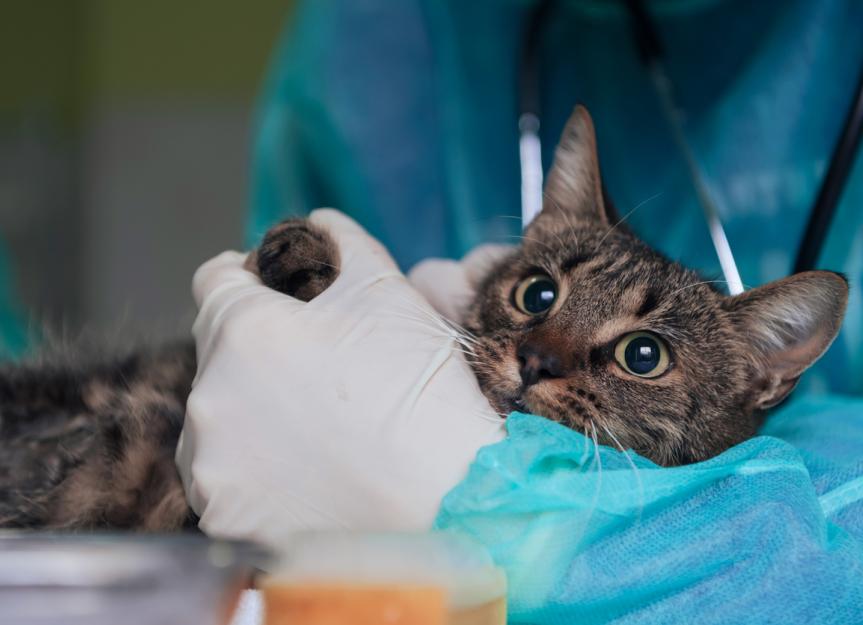
Urinary blockage in cats is a pressing concern that captivates the attention of veterinarians, pet owners, and feline enthusiasts alike. This condition, which can be both life-threatening and perplexing, requires a multifaceted understanding. A cat’s urinary health is paramount, and disturbances in this delicate system can lead to severe consequences. In this article, we unravel the intricacies of urinary blockage in cats, addressing causes, symptoms, diagnostics, and treatment options, ultimately illuminating the reasons behind this alarming phenomenon.
Understanding Urinary Blockage
Urinary blockage, also known as feline urinary obstruction (FUO), is a condition that occurs when the normal flow of urine is impeded. In male cats, their anatomical structure makes them particularly susceptible to blockages. The reasons for blockage can vary widely, ranging from physical obstructions to functional abnormalities. Recognizing the underlying issues is key to effective intervention.
Common Causes of Urinary Blockage
1. Urolithiasis (Urinary Crystals or Stones): Pebbles or stones formed from minerals can coalesce within the urinary tract. These form due to factors such as diet, hydration, and genetic predispositions. In severe cases, they can become lodged in the urethra, leading to obstruction.
2. Inflammatory Conditions: Feline idiopathic cystitis (FIC) is a puzzling inflammatory disorder that can lead to significant swelling of the bladder wall. This inflammation can also affect the urethra, making it difficult for urine to pass.
3. Urethral Plug: A urethral plug is an accumulation of gel-like mucus, cells, and crystals that obstruct urine flow. It can result from urinary tract infections or chronic inflammatory responses.
4. Trauma or Injury: External trauma can lead to internal damage to the urinary tract, potentially causing blockages. Such injuries may be the result of accidents, bites, or other punctures.
5. Neoplasia: Although less common, tumors can obstruct the urinary tract, either through direct invasion or extrinsic compression. Such growths can complicate diagnosis and require advanced medical intervention.
Signs and Symptoms of Urinary Blockage
Awareness of the signs of urinary blockage can be a matter of life or death. Cats are adept at hiding discomfort, making the observation of subtle changes vital.
1. Frequent Urination Attempts: A cat may exhibit an increased frequency of urination, often attempting to urinate without producing any output.
2. Painful Elimination: Straining, vocalization, or visible discomfort during attempts to urinate are crucial warning signs. Additionally, signs of distress may include restlessness or a change in behavior.
3. Blood in Urine: Hematuria, or blood in the urine, can indicate inflammation or irritation in the urinary tract and warrants immediate attention.
4. Lethargy and Vomiting: A blocked cat may become lethargic, exhibit vomiting, or show a marked reduction in appetite. These systemic signs can indicate severe distress and necessitate urgent medical care.
Diagnosis of Urinary Blockage
Proper diagnosis is a critical facet of managing urinary blockages. To ascertain the root cause of the issue, veterinarians will typically employ a combination of strategies, including:
1. Physical Examination: A comprehensive physical exam that assesses abdominal pain, hydration status, and possible bladder distension is routinely conducted.
2. Urinalysis: Analyzing urine samples can provide invaluable insights into the presence of crystals, bacteria, or signs of infection.
3. Imaging Techniques: Radiographs or ultrasounds may be utilized to determine the presence of stones, tumors, or other structural abnormalities within the urinary tract.
Treatment Options
Treatment for urinary blockage often necessitates immediate veterinary attention, as the consequences of untreated obstruction can be dire.
1. Catheterization: In many cases, a veterinarian will insert a urinary catheter to relieve the blockage. This procedure helps decompress the bladder and facilitates urine drainage.
2. Medications: Anti-inflammatory medications, pain relief, and antibiotics may be prescribed to address underlying infections or inflammation. Further therapeutic interventions might include medications to dissolve certain types of urinary stones.
3. Surgery: In cases where blockage is due to structural abnormalities or masses, surgical intervention may be necessary. This may involve removing stones or tumors to restore normal urinary function.
4. Environmental and Dietary Management: To prevent recurrence, modifications to diet, hydration practices, and environmental stressors are crucial. Feeding specialized diets that promote urinary health may mitigate the risk of future blockages.
Preventing Urinary Blockage
Prevention is always preferable to treatment. Ensuring optimal urinary health in cats can be achieved through:
1. Regular Hydration: Encouraging adequate water intake is essential. Consider using water fountains or providing wet food to promote hydration.
2. Maintaining a Healthy Weight: Obesity can exacerbate health issues, including urinary problems. Regular exercise and a balanced diet can help maintain a healthy weight.
3. Regular Veterinary Check-ups: Routine check-ups and screenings can catch potential urinary issues early, allowing for preemptive measures to be taken.
In conclusion, urinary blockage in cats is a complex and urgent condition that requires prompt recognition and intervention. Understanding the causes and signs, as well as pursuing proactive management strategies, can significantly enhance feline well-being. Ultimately, a cat’s urinary health is a reflection of overall vitality, making vigilance in monitoring and maintaining this critical system an essential responsibility for any cat owner.











Leave a Comment