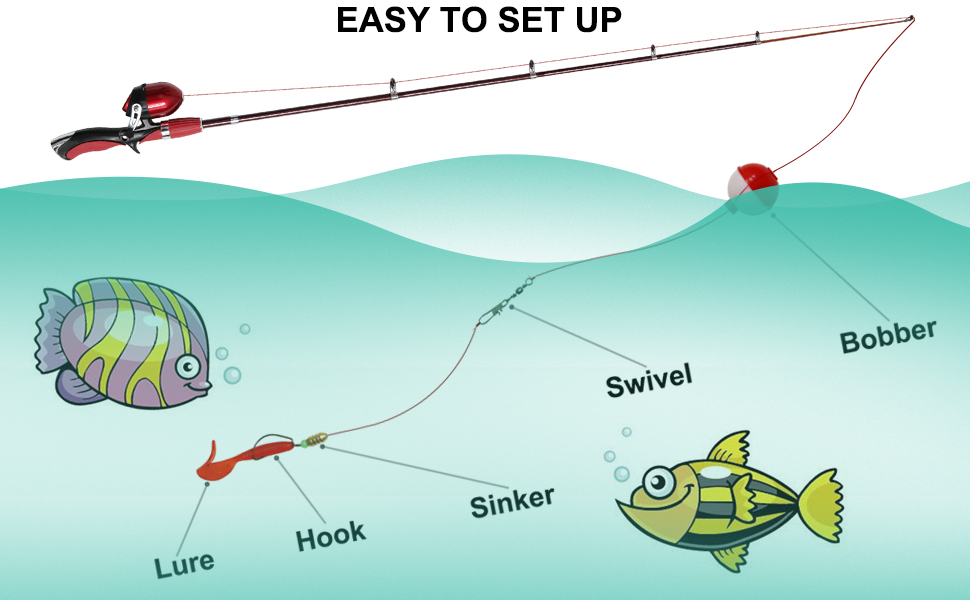
Setting up a fishing pole can seem like a straightforward task, but for novices, it can pose a bewildering challenge. Have you ever stood at the edge of a lake or river, rod in hand, and wondered if you were missing something essential? The thrill of fishing often lies not only in casting your line but also in the intricate art of assembling your gear. In this guide, we will delve into the step-by-step process of setting up a fishing pole, ensuring you’re well-equipped for your next aquatic adventure.
1. Gather Your Essential Gear
Before embarking on your fishing journey, it is crucial to assemble all necessary components. You will need:
- Fishing Rod: The backbone of your setup, available in various lengths and strengths, tailored for different types of fishing.
- Reel: The mechanism that holds the fishing line and allows you to cast and retrieve. Spinning reels are often recommended for beginners.
- Fishing Line: Choose the appropriate line based on your target fish and fishing conditions—monofilament, fluorocarbon, or braided lines are the most common choices.
- Hooks: Selecting the right size and type of hook depends on the fish species you wish to catch.
- Bait or Lures: Natural bait or artificial lures will attract fish, and the choice often varies by personal preference and fishing conditions.
- Miscellaneous Gear: Don’t forget items like pliers, scissors, and a tackle box to keep everything organized.
2. Assemble the Fishing Rod and Reel
With your gear at hand, the first step is to connect the reel to the rod. Align the reel seat with the reel foot, gently sliding the reel into place. Now, securely tighten the seat’s locking mechanism to ensure stability. Pay attention to the orientation of the reel; spinning reels are typically mounted underneath the rod, while baitcasting reels sit on top. This alignment is crucial for effective casting.
3. Thread the Fishing Line
Once your reel is affixed, it’s time to spool the reel with fishing line. Open the bail – the wire arm that holds the line in place – and pull a length of line from the spool. Feed the line through the rod guides, starting from the lowest guide and working your way up to the tip. This process can be slightly tedious; take your time to ensure the line is correctly threaded to prevent tangles. Once through all guides, tie the line to the reel spool using a secure knot, such as the Arbor knot. Close the bail and give the line a gentle tug to ensure it’s securely attached.
4. Choose and Attach the Hook
Now it’s time to think about what you’ll be using to entice fish. Hooks can be attached in various ways, but the most common is the simple knot. Select a hook appropriate for your bait or lure, and thread the line through the eye of the hook. Securely tie a knot (the Improved Clinch knot is a popular option) to ensure your hook doesn’t detach during casting.
5. Baiting Your Hook
What will you use to entice that fish to bite? The choice of bait is often the determining factor in your success as an angler. If you opt for live bait, such as worms or minnows, ensure that you keep them lively and attractive. For artificial lures, familiarize yourself with various types—crankbaits, jigs, or spinners—each designed for specific situations and fish species. Securely attach your bait to the hook, ensuring it is both appealing and naturally presented in the water.
6. Determine Your Casting Technique
Your fishing pole is now set up, but do you have the finesse necessary for casting? Position yourself with a firm grip on the rod handle. Open the bail and pull a few feet of line free from the reel. As you prepare to cast, take a step back, and in a smooth motion, swing your rod tip forward while releasing the line with your finger at the right moment. Mastering the art of casting takes practice; each movement impacts your distance and accuracy. Don’t get discouraged; every expert angler was once a beginner.
7. Patience and Observation
Once your line is cast, patience becomes your ally. Observe your surroundings, watching for fish activity and environmental conditions. The water’s ebb and flow, coupled with the right bait, significantly influences your success. Be prepared to adjust your strategy based on these observations, whether that means changing depth or switching bait types.
8. Reeling in Your Catch
If you’re fortunate enough to feel a tug on your line, the excitement accelerates! React promptly but calmly; reel steadily and give the fish time to tire. Experienced anglers suggest keeping a steady tension to prevent the fish from escaping. Work your line in, adjusting your rod position to guide the fish playfully toward you.
Conclusion
Setting up a fishing pole is more than just assembling a few components; it is an engaging dialogue with nature that beckons you to refine your skills. By meticulously threading your line, choosing the right bait, and mastering your casting technique, you prepare yourself for both the thrill of the catch and the serenity of the pursuit. So, the next time you head out for a day at the lake, relish the process of preparation, and embrace the playful challenge of connecting with the aquatic world that lies beneath the water’s surface.










Leave a Comment