Has your car ever started to emit a peculiar clicking noise when turning? It’s a conundrum that may induce a sense of unease for drivers. Suddenly, the harmonious symphony of your vehicle is marred by an uncomfortable din. This perplexing phenomenon presents an invitation to explore potential underlying issues. What could it be? The answer may lead you into a labyrinth of mechanical intricacies, but fear not! We will navigate this journey together.
Understanding the source of that enigmatic clicking sound is crucial. It could stem from several components within your vehicle, each presenting a unique set of challenges. Some of these issues may be trivial, while others might signal a deeper mechanical malaise. Let’s embark on a comprehensive exploration of common culprits, diagnostic approaches, and preventive measures.
1. CV Joints: The Unseen Heroes
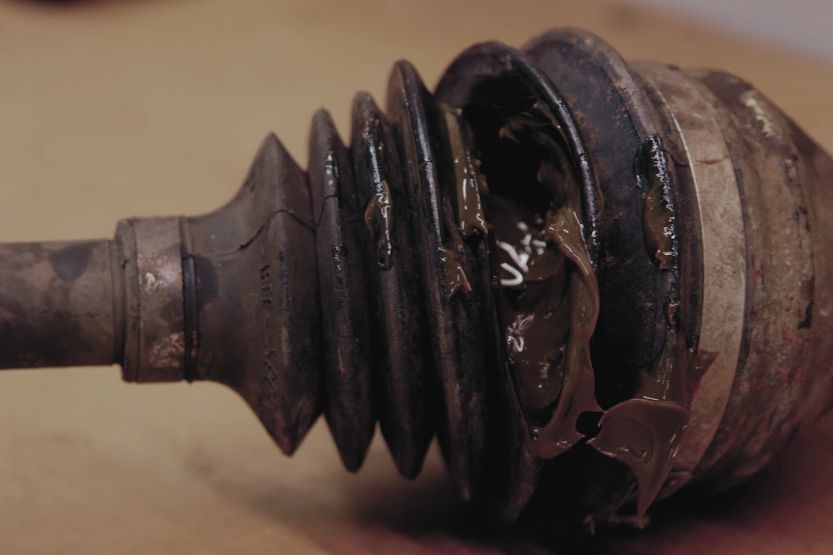
One of the most frequent suspects behind a clicking noise during turns is the constant velocity (CV) joint. These joints serve as the connection between the drive shafts and the wheels, allowing power to transfer smoothly while accommodating the steering and suspension movements. When they begin to fail, usually due to wear or damage, they can produce an unmistakable clicking sound, particularly noticeable during sharp turns. An examination of the CV joint boots for cracks or leaks can often reveal the health of these unseen components.
2. Wheel Bearings: The Unsung Background Players
Next in the lineup are wheel bearings. These vital components allow the wheels to rotate with minimal friction. A failing wheel bearing may generate a clicking or grinding noise, especially noticeable during turns. Improper lubrication or contamination can lead to accelerated wear and an array of accompanying sounds, hinting at their impending failure. Addressing wheel bearing concerns can be pivotal in ensuring both safety and performance. Regular inspections are critical to catch these issues before they escalate.
3. Suspension Components: The Interconnected System
Your vehicle’s suspension system—comprised of struts, springs, and control arms—works in harmony to provide stability and comfort. However, when components like strut mounts or ball joints begin to wear out, they may create a clicking noise during turns. These sounds can vary in intensity, offering nuanced clues to their origins. Listening closely can be key; a soft clicking may indicate minor wear, while a more pronounced noise might signal imminent failure.
4. Loose or Damaged Parts: The Impending Chaos
Occasionally, it’s not the main parts but rather ancillary components causing the ruckus. Loose heat shields, splash shields, or even improperly fastened screws may vibrate against other elements during turns, resulting in annoying clicks and thuds. Conducting a thorough inspection of your vehicle’s undercarriage can reveal these lesser-known sources of noise. It’s akin to revealing the hidden layers of a finely woven tapestry—each thread contributing to the overall experience.
5. Tires: The Soundtrack of the Road
One cannot overlook the role of tires in the auditory environment of your vehicle. Worn or unevenly balanced tires may not only impact performance but can also introduce a cacophony of sounds during vehicle operation. A simple check for proper inflation and tread wear can mitigate some worries and enhance safety. Deigning to pay attention to the condition of your tires will offer a more serene driving experience.
6. The Importance of Prompt Diagnosis
Understanding the potential causes of that pesky clicking noise is just the beginning. Swift diagnosis and timely maintenance play crucial roles in preserving your vehicle’s longevity and safety. Ignoring sounds can lead to catastrophic failures—like ignoring a small ripple in an otherwise serene lake, only to discover it harbors a tempest beneath its surface.
7. When to Seek Professional Help
While some issues can be addressed by diligent DIY enthusiasts, knowing when to enlist the expertise of a professional is equally vital. If the source of the noise remains elusive or if the sounds become more pronounced, driving your vehicle to a trusted mechanic is wise. They possess the specialized tools and experienced ears to delve deep into the mechanical intricacies of your car, diagnosing problems that might evade the untrained eye—and ear.
8. Preventive Measures: Preserving Your Peace
To safeguard your driving experience from discordant chimes, consider implementing regular maintenance routines. Oil changes, fluid checks, and tire rotations foster a healthier vehicle, extending its life and enhancing performance. Additionally, scheduling periodic inspections with a trusted mechanic can help catch potential issues before they evolve into an orchestral catastrophe.
In conclusion, while the clicking noise when turning might appear trivial at first, it serves as a siren call to investigate deeper mechanical concerns. By elucidating the potential causes and enacting preventative strategies, you can not only resolve the mystery but also enhance your vehicle’s longevity and safety. So, the next time your car lets out a click, listen closely; it might just be communicating essential secrets about its well-being.











Leave a Comment