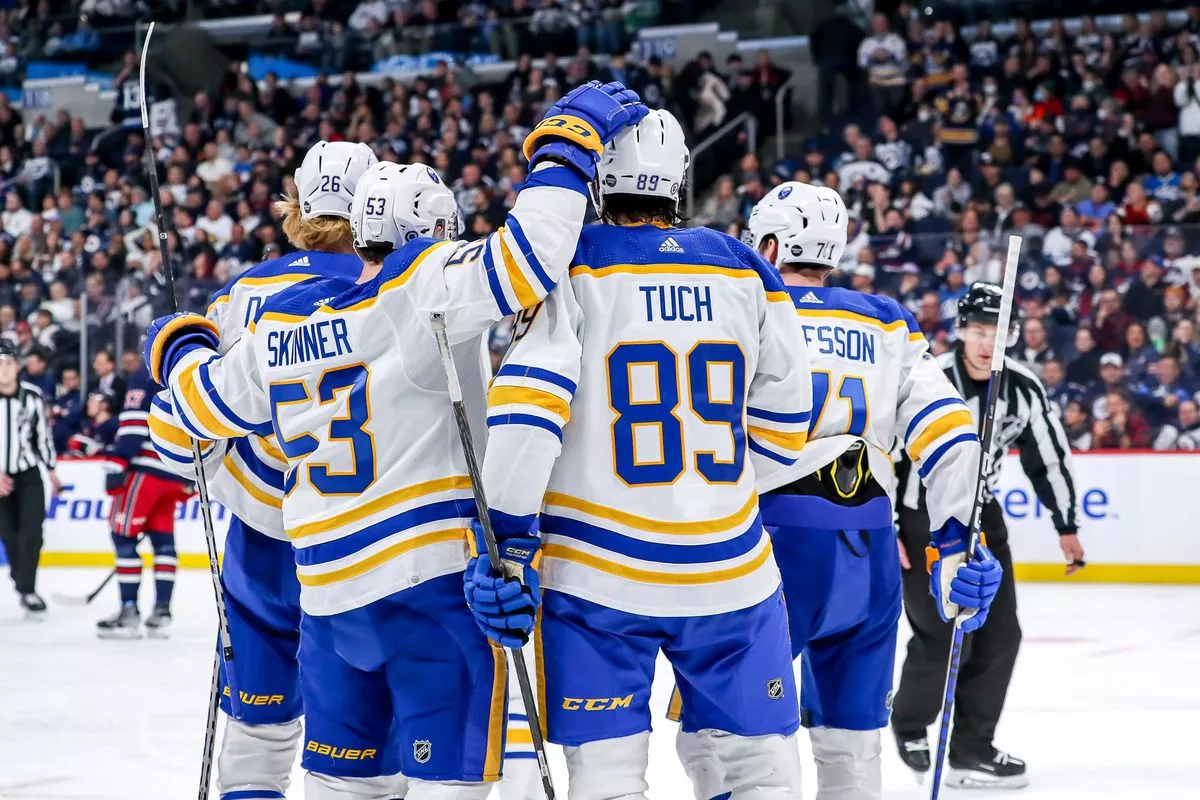
The National Hockey League (NHL) is a thrilling spectacle of speed, skill, and strategy, captivating audiences worldwide. Fans often find themselves engrossed in the action, eagerly awaiting every shift change and slap shot. However, for those new to the sport, a common query arises: how long is an NHL game? Understanding the duration and structure of a hockey game not only enhances the viewing experience but also enriches the overall appreciation of this dynamic competition. This article delves into the various elements that influence the length of an NHL game, ensuring fans are well-equipped with comprehensive knowledge.
At its core, a standard NHL game consists of three periods, each lasting 20 minutes of play. This layout results in an aggregate playing time of 60 minutes. Yet, this numerical simplicity belies the complex reality of game mechanics. The actual time spent on the ice can extend far beyond the designated 60 minutes due to several factors that impact the flow of the game.
One significant contributor to the extended duration is stoppages in play. These interruptions can arise from a myriad of circumstances, such as penalties, goals, offsides, icing, or puck out of play. Each of these stoppages serves to momentarily halt the action, leading to a recalibration on the ice. On average, it’s not uncommon for stoppages to add an additional 20 to 30 minutes to the total duration of a game.
Furthermore, the intricacies of the game can manifest textual length variances from one match to another. For example, if a game is tightly contested, often leading to more penalties or a significant amount of video reviews initiated by officials to ensure accurate judgments, the game’s overall timeframe could be prolonged. The rigorous standards of officiating ensure fair play, but they also introduce pauses that contribute to the total duration.
In the event the score remains tied at the culmination of regulation time, the NHL employs an overtime procedure. The sudden-death overtime period is designed to resolve the deadlock and typically lasts for 5 minutes, played with 3 skaters for each team. If no team scores during this period, the contest proceeds to a shootout, wherein individual players attempt to score against the opposing goalie in a one-on-one scenario. The shootout can further extend the game by an additional 10-15 minutes, depending on how many rounds are necessary to determine a winner, thereby increasing the overall time commitment for fans.
While it’s crucial to understand the standard game structure, one must also consider the unique circumstances that may arise during specific matchups. Certain events, such as playoff games, introduce distinctive formats that can alter the timeline. Playoff hockey is characterized by a more frenetic pace, often culminating in a nerve-racking scenario known as ‘triple overtime’ or beyond. In these instances, multiple 20-minute overtime periods are played until one team clinches victory. Such scenarios can lead to games that last well into the night, creating an exhilarating, albeit time-consuming, experience for players and spectators alike.
Another layer of complexity involves regular daily operations surrounding the game. For instance, the pre-game rituals—strategic discussions in the locker room, warm-ups, and national anthems—can add an additional 30-45 minutes to the overall game viewing time. Fans typically enjoy these elements as part of the holistic experience, contributing to the vibrant atmosphere of live hockey.
Moreover, intermissions between periods serve as opportunities for teams to regroup and strategize. Each intermission lasts approximately 15 minutes, allowing players to receive coaching guidance, hydrate, and recuperate physically. The television broadcasts often integrate entertainment, analysis, and fan engagement during these breaks, further elongating the time a viewer dedicates to watching a game.
When calculating the total length of an NHL game, one should consider all these factors holistically. On average, a standard game tends to last between two to three hours from start to finish, depending on the aforementioned variables. For dedicated fans, this tends to imbue the entire experience with a sense of community, as watch parties, social discussions, and post-game analysis extend beyond mere playtime.
As the fervor of the NHL season continues, understanding the timeframe of games can enhance the fan experience. Whether it’s savoring the subtle nuances of strategies at play, engaging in heated discussions regarding officiating decisions, or simply enjoying the camaraderie of fellow enthusiasts, the time invested provides a rewarding connection to the sport.
In conclusion, while an NHL game comprises a structured 60 minutes of playtime, various factors—including stoppages, overtime, and intermissions—contribute to an average overall length of approximately two to three hours. This duration may fluctuate significantly based on game dynamics and playoff intensity. Grasping these details offers viewers a more substantial connection to the spirited world of hockey, transforming a mere game into a captivating experience that resonates long after the final buzzer sounds.






Leave a Comment