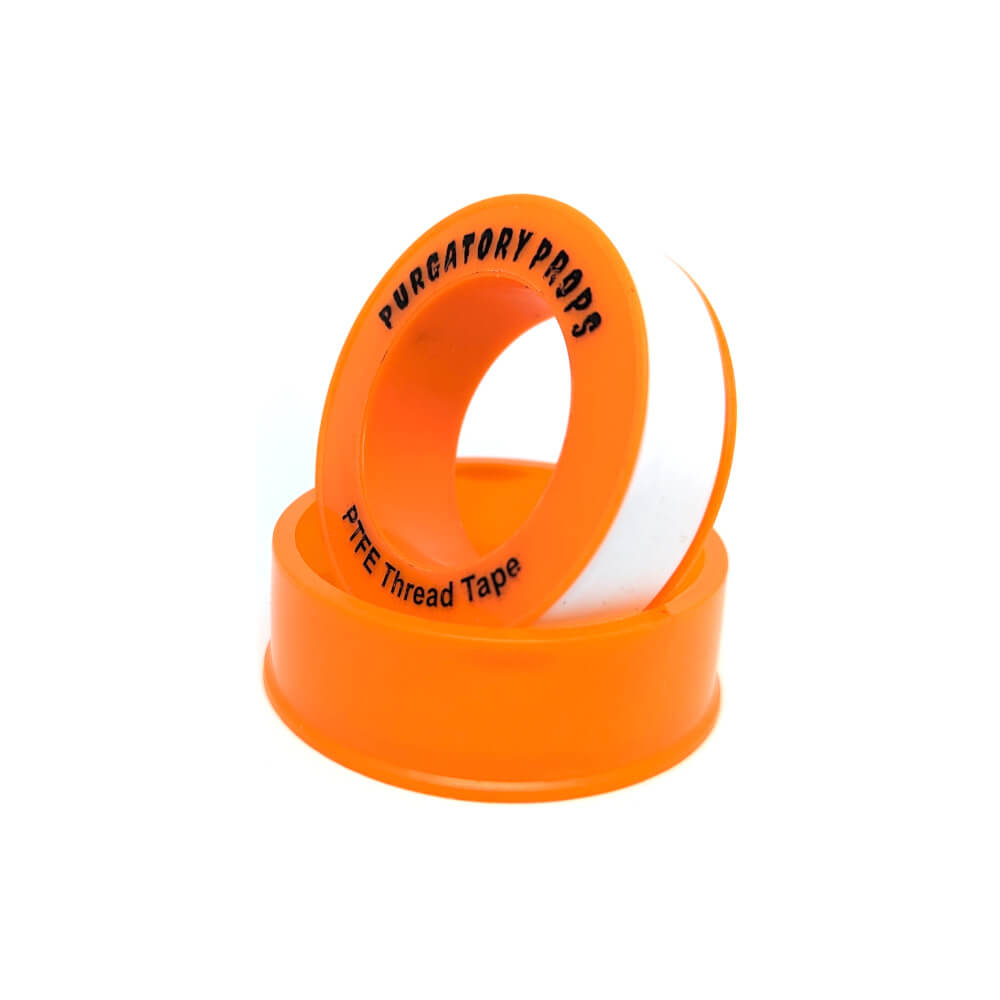
When you encounter a leaky pipe or need to attach two threaded fittings seamlessly, you might wonder: how can something as simple as a roll of tape be the solution to such a dilemma? Enter PTFE thread tape, the unsung hero of plumbing and sealing applications. With its unique properties, this tape offers an efficient and reliable method to prevent leaks. However, as straightforward as it seems, using it improperly can lead to frustration and costly repairs. So, how do you wield this deceptively unassuming tool like a pro? Let’s delve into an extensive guide to mastering PTFE thread tape!
1. Understanding PTFE Thread Tape
First, let’s clarify what you’re dealing with. PTFE (Polytetrafluoroethylene) thread tape, also commonly known as Teflon tape, is a thin, white tape specifically designed for reducing friction, preventing corrosion, and enhancing the seal between threaded fittings. It’s chemically inert, ensuring longevity even in harsh environments. The question arises: why not just use any tape? The nuances of PTFE’s molecular structure allow it to withstand extreme temperatures and pressures that ordinary tapes cannot.
2. Preparing the Threads
The first step in harnessing the capabilities of PTFE thread tape is preparing your threaded connections. Begin by cleaning the threads of both the male and female fittings with a cloth to remove any debris, grease, or old sealing compounds. This step is pivotal; any contaminants can compromise the adhesive properties of the tape and lead to leaks. Once cleaned, inspect the threads for any damage or irregularities. Are the threads in good condition? If not, you may need to replace the fittings altogether.
3. Choosing the Right Tape
Not all PTFE tape is created equal. Some varieties come in different thicknesses and densities, tailored for specific applications such as gas lines, water pipes, or even high-pressure systems. For general plumbing tasks, opt for the standard 1/2-inch width tape, which is suitable for most household fittings. However, for more sensitive applications like gas connections, it’s wise to select thicker tape marked specifically for that purpose. Ask yourself: do you have the right tape for your project?
4. Application Techniques
Once you have your tape and clean threads ready, it’s time to apply the PTFE thread tape with precision. Here is the meticulous method to follow:
- Wrap Direction: Always wrap the tape clockwise around the male threads. This direction complements the natural motion of threading and prevents the tape from unraveling.
- Coverage: Overlap the tape slightly with each wrap, making 2-3 full revolutions around the threads. Avoid excessive winding, as this can cause the tape to bunch up and impede proper sealing. Your goal is a robust yet unobtrusive seal.
- Ending the Wrap: Ensure the tape does not extend beyond the end of the threads to prevent it from degrading when the fitting is tightened. This attention to detail is crucial for a long-lasting seal.
5. Tightening the Connection
After applying the tape, it’s essential to connect the fittings securely. Hand-tighten first to ensure alignment, and then use a wrench to snugly tighten them together. Maintain caution: overtightening can lead to thread stripping or cracking the fitting itself. The challenge here is to find that sweet spot where the connection is both secure and undamaged. Do you feel confident in your ability to balance strength and caution?
6. Testing for Leaks
Once everything is meticulously tightened, it’s time to test your handiwork. Turn on the water supply or gas line slowly and watch for any signs of leaks. If you see droplets forming, it’s a sign that those fittings might need to be redone. Failure to adequately test can result in severe consequences down the line, so approach this step with diligence. Do you think everything is sound?
7. Troubleshooting Common Issues
If leaks persist despite your best efforts, you may encounter some common issues that warrant attention:
- Not Enough Tape Applied: If only a single layer was used, consider reapplying with more revolutions.
- Residual Sealants: Make sure there are no remnants of old sealants or thread tape still attached to the fittings you’re working with.
- Damaged Threads: Inspect for physical damage—sometimes the solution may lie in replacing the fittings themselves.
8. Wrapping Up
Successfully using PTFE thread tape can mitigate leaks and secure fittings with precision. As we’ve outlined, the process involves cleaning, selecting the appropriate tape, applying it with care, and meticulously testing your connections. Nevertheless, the challenge remains: can you navigate the twists and turns of plumbing work with confidence? Armed with this knowledge, you’re now equipped to handle your plumbing needs, unlocking the potential of this simple yet remarkable sealing tool. Remember, proper application not only saves you time and money but also ensures a leak-free environment, giving you peace of mind in your home.








Leave a Comment