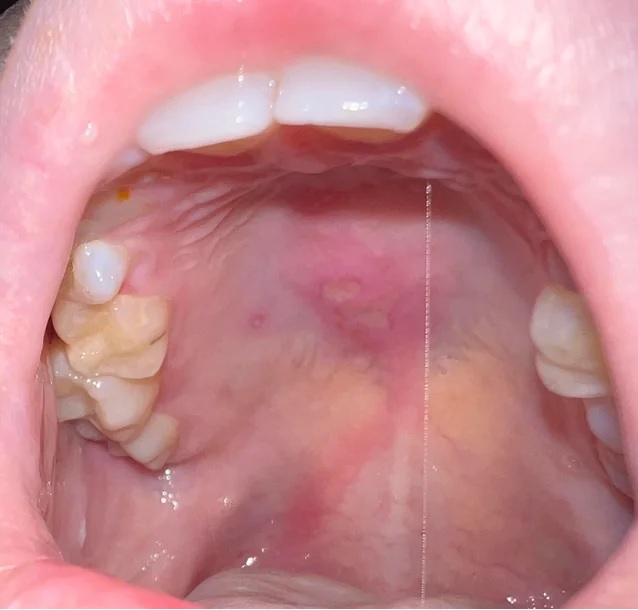
Experiencing soreness at the roof of your mouth can be an unsettling sensation. It may start as a subtle discomfort, only to burgeon into a gnawing irritation that demands your attention. This seemingly innocuous ailment can often lead one to ponder the underlying causes and potential remedies. To fully comprehend this condition, it is essential to traverse the labyrinth of its causes, symptoms, and treatments, fostering a fresh perspective on what might initially seem like a mere inconvenience.
Understanding the Anatomy
The roof of the mouth, or the palate, is a complex structure consisting of bone and soft tissue, segmented into the hard palate and the soft palate. This anatomical marvel not only plays a vital role in the initiation of digestion through the process of swallowing and taste, but it also serves as a barrier between the oral and nasal cavities. Therefore, any discomfort in this region can lead to a cascade of symptoms that affect daily life.
Identifying the Causes
Soreness at the roof of the mouth can arise from an array of sources. Understanding these causes requires a broad lens that encompasses various lifestyle, environmental, and medical factors:
- Injury or Trauma: Accidental bites, excessive scrubbing with a toothbrush, or a burn from hot food can provoke inflammation. Such physical insults can cause sharp, localized pain.
- Infections: Viral infections, including the ubiquitous herpes simplex virus, or fungal infections such as oral thrush, can lead to marked discomfort. These microbial invaders often precipitate additional symptoms, including sores or lesions.
- Allergies: Allergic reactions to certain foods or substances can cause inflammation in the mouth. One might find that specific items provoke a tingling or burning sensation.
- Vitamin Deficiencies: Insufficiencies in critical vitamins, particularly B vitamins and Vitamin C, can manifest as sores or irritation in the oral cavity. It’s essential to consider dietary habits when diagnosing such deficiencies.
- Underlying Medical Conditions: Conditions such as autoimmune diseases or oral cancer, while less common, can present as persistent pain in the palate. Such scenarios warrant immediate medical evaluation.
Exploring Symptoms
As one navigates the landscape of oral discomfort, various symptoms may accompany soreness at the roof of the mouth.
- Burning Sensation: Many individuals report an intense burning feeling, akin to the aftermath of consuming spicy or acidic foods.
- Swelling or Redness: Inflammation may present as noticeable swelling and a reddened appearance of the affected tissue, serving as a visual cue to the distress.
- Ulcerations: The development of sores or ulcers can exacerbate pain, rendering simple tasks like eating or speaking uncomfortable.
- Difficulties in Swallowing: Soreness can impede swallowing and make it a laborious endeavor, particularly when food comes into contact with the inflamed palate.
Immediate Remedies and Self-Care
Securing relief from discomfort at the roof of the mouth can often be achieved with simple, home-based interventions:
- Salt Water Rinse: Gargling with saline solution can induce antiseptic effects, thus promoting healing. Mix a teaspoon of salt in a warm glass of water and rinse several times a day.
- Cold Compress: Applying a cold compress or sucking on ice chips may numb the area and mitigate pain while reducing inflammation.
- Over-the-Counter Pain Relief: Ibuprofen or acetaminophen can effectively diminish pain and swelling; always use as directed.
- Hydration: Staying well-hydrated can aid in maintaining moisture in the mouth, countering irritation from dryness.
- Soft Foods: Transitioning to a diet of soft, non-irritating foods can minimize additional strain on a sore palate.
When to Seek Professional Help
Despite the accessibility of self-care options, certain circumstances necessitate reaching out to a healthcare provider:
- Persistent pain lasting more than a couple of weeks.
- Accompanying symptoms such as fever, difficulty breathing, or swollen lymph nodes.
- The presence of unexplained growths, lesions, or changes that raise concerns for malignancy.
- Severe allergic reactions causing significant swelling or difficulty swallowing.
Embracing Prevention
While some causes of soreness are unavoidable, there are proactive measures to mitigate risk:
- Maintain Oral Hygiene: Regular brushing and flossing can thwart infections that lead to discomfort.
- Nourishment: A balanced diet rich in vitamins and minerals fortifies the immune system, diminishing the likelihood of deficiencies.
- Manage Stress: Stress can exacerbate oral health issues, so incorporating relaxation techniques can be beneficial.
In conclusion, experiencing soreness at the roof of the mouth is more than an ailment; it is a gateway to understanding broader health issues. By shifting your perspective and engaging with the multifaceted nature of this condition, you can uncover potential causes and remedies that may have previously gone unnoticed. Emphasizing self-awareness and proactive care encourages better oral health and overall well-being, illuminating the path to a pain-free mouth.











Leave a Comment