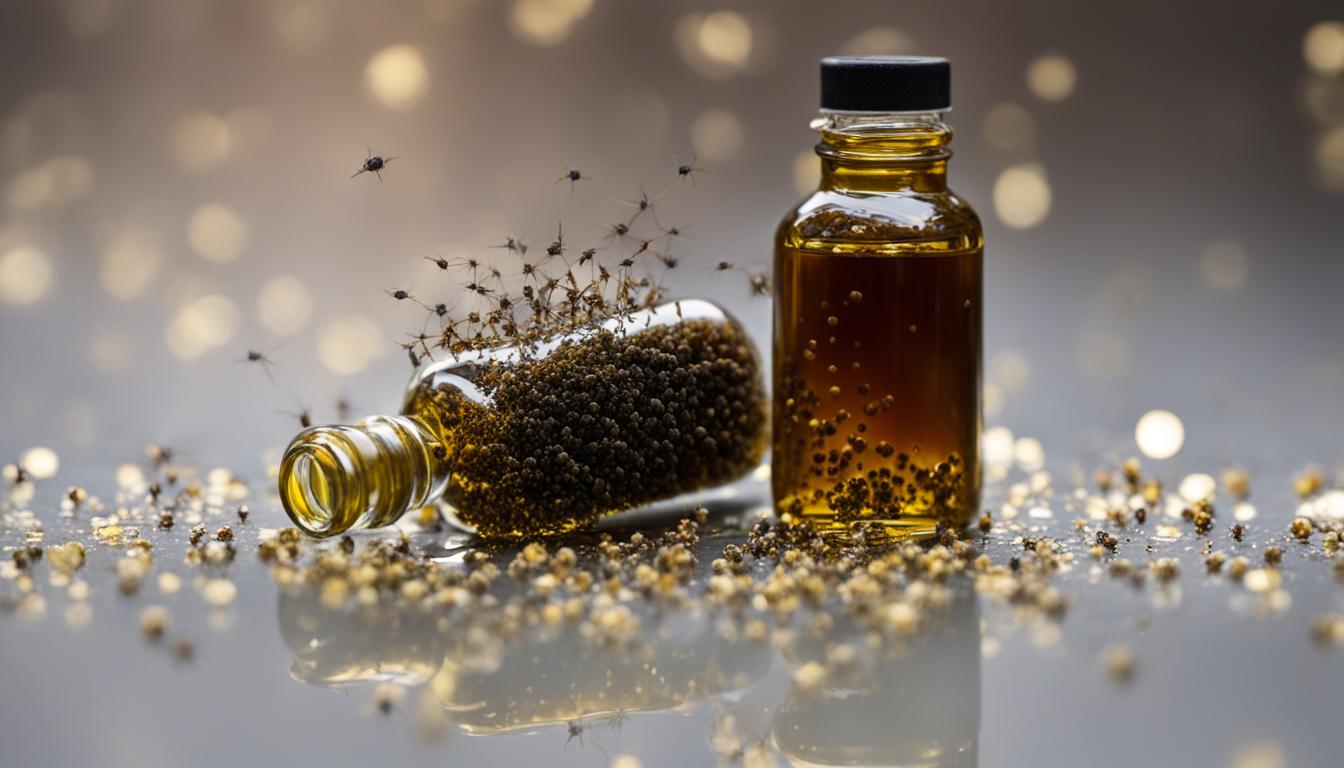
Castor oil, derived from the seeds of the Ricinus communis plant, has a storied history as both a medicinal remedy and a cosmetic ingredient. This natural oil, celebrated for its multifarious uses—from hair care to digestive health—often raises a pertinent question among consumers: does castor oil expire? The notion of expiration in oils is not just a trivial inquiry; it beckons a deeper understanding of the chemistry at play, the factors affecting oil longevity, and the implications for health and efficacy.
At the heart of the matter is the concept of oil stability. Castor oil, rich in ricinoleic acid, boasts a high degree of unsaturation which grants it unique benefits. However, this very composition also opens the door to oxidative degradation and rancidity over time. Oxidation is a process where exposure to light, heat, or air leads to the formation of free radicals, ultimately causing the oil to develop an unpleasant odor and taste. Furthermore, rancid oil loses much of its therapeutic properties, making it less effective for its intended uses.
Understanding how long castor oil remains effective requires an exploration of several factors. Here are some key considerations regarding its shelf life:
The Shelf Life of Castor Oil
Typically, castor oil can last for about 1 to 5 years when stored properly. However, the variances in its longevity largely depend on factors such as purity, storage conditions, and packaging.
1. Purity and Quality
It is paramount to consider the grade of the castor oil. Cold-pressed, organic varieties tend to retain more nutrients and compounds than those that are industrially processed. Lower-quality oils may contain additives or preservatives that could alter their stability and reduce shelf life. Therefore, always opt for high-quality, pure castor oil to assure optimal freshness and potency.
2. Packaging
The way castor oil is packaged can also have a significant impact on its longevity. Dark glass bottles are optimal as they protect the oil from light, a key aggressor in the oxidation process. Conversely, transparent plastic containers expose the oil to harmful UV rays and increase the likelihood of rancidity.
3. Storage Conditions
Where and how the oil is stored plays a critical role in its lifespan. Ideal storage conditions involve keeping the oil in a cool, dark place away from direct sunlight and heat sources. Extreme temperatures can accelerate the deterioration of the oil, making consistent environmental conditions essential for preservation.
Recognizing Expired Castor Oil
It is vital for users to be able to discern when castor oil is no longer usable. Signs of spoilage can manifest through sensory cues:
- Odor: Fresh castor oil has a light, pleasant scent. If it emits a sour, rancid, or off-putting smell, it is likely past its prime.
- Color: Quality castor oil usually has a pale golden hue. A darker color may indicate the presence of contaminants or degradation.
- Texture: If the oil appears cloudy or has sediment, it may be a sign of spoilage.
If any of these changes are observed, it is advisable to discard the oil to avoid potential adverse effects.
Benefits Beyond Shelf Life
Despite concerns about its longevity, castor oil’s therapeutic benefits are extensive. Known for its anti-inflammatory, antibacterial, and antifungal properties, it is a favored remedy for various ailments. From facilitating hair growth to treating dry skin, the oil serves multiple functions. Its utility in skin care, particularly for hydration and healing, speaks to its revered place in holistic wellness.
Moreover, in the realm of hair care, castor oil is lauded for its ability to nourish the scalp and promote luster. The ricinoleic acid within the oil acts as a humectant, drawing moisture to the hair strand, thereby reducing breakage and enhancing overall texture.
Traditional Uses and Modern Applications
Historically, cultures around the world have employed castor oil for a myriad of purposes. Ancient Egyptians utilized it as a laxative, while more contemporary uses include its application in industrial lubricants and biodiesel production. However, the fascination with castor oil transcends practical applications; it encompasses aspects of personal care and beauty, making it a staple in many households.
Through this lens, the significance of understanding its shelf life becomes evident. Users can ensure that they are reaping the full benefits of castor oil by remaining vigilant about its condition and storage practices.
Conclusion
In conclusion, while castor oil does have a finite shelf life influenced by various factors, its manifold advantages render it a worthy addition to any wellness inventory. The key lies in mindful purchasing and proper storage, enabling one to harness its myriad benefits fully. With awareness of the signs of expiration, consumers can embrace this multifaceted oil with confidence, ensuring they continue to enjoy its array of nourishing properties well into the future. Understanding the nuances of castor oil’s longevity not only satisfies a curious mind but also underscores the intersection of nature and science in pursuit of health and beauty.









Leave a Comment