A car is a marvel of engineering, a symphony of intricate components working in harmony to deliver a safe and comfortable ride. Among these components, struts play a vital yet often overlooked role. At first glance, their purpose might seem straightforward—supporting the vehicle’s weight and contributing to the suspension system. However, struts have a profound impact on various aspects of a car’s performance, ride quality, and even safety. Recognizing their significance illuminates the often underappreciated complexity of automotive design.
Understanding Struts: An Overview
Struts are a critical type of suspension component, primarily engineered to absorb shocks and maintain vehicle stability. They serve a multifaceted purpose, combining the functionality of shock absorbers and mechanical support. Struts are typically found in a MacPherson strut suspension design, prevalent in many modern vehicles. Their design usually consists of a coil spring encircling a shock absorber, creating a compact unit that can deliver both support and damping characteristics.
The Role of Struts in Suspension
1. Shock Absorption: The primary function of struts is to dampen the shocks produced from driving over uneven surfaces. When a tire encounters a bump, the strut’s internal fluid moves to counteract the sudden jolt, fostering a smooth ride even on less than perfect roads.
2. Weight Support: Struts are engineered to bear the weight of the vehicle while maintaining optimal balance and stability. They provide structural support to the vehicle’s chassis, ensuring that the weight is distributed evenly across the suspension system.
3. Alignment and Handling: Struts affect the vehicle’s alignment and handling characteristics. A properly functioning strut allows for better steering responsiveness and overall driving dynamics, enhancing the pleasure of the driving experience. If struts wear out or become damaged, they can lead to misalignment, affecting tire wear and steering precision.
Struts and Ride Quality
4. Comfort and Stability: The integration of struts within the suspension system directly correlates with ride comfort. A well-maintained strut absorbs road imperfections, allowing passengers to experience a smooth and pleasant drive. Conversely, failing struts can lead to excessive bouncing or a harsh ride, eroding passenger comfort.
5. Noise Reduction: Struts also play an essential role in minimizing road noise and vibrations. Their capacity to absorb shocks reduces the amount of noise transmitted into the cabin, contributing to a quieter ride that enhances the overall driving experience.
Safety Factors
6. Traction Enhancement: Struts help maintain tire contact with the road surface during various driving conditions, crucial for traction. A car with functioning struts will better respond to braking and cornering, providing the driver with greater control and stability.
7. Braking Efficiency: The performance of a vehicle’s braking system is intricately linked to its suspension, which is where struts come into play. When struts are in solid working condition, they enable better weight transfer during braking, allowing the tires to maintain grip on the road. This is especially critical in emergency stopping situations, where every inch of braking distance counts.
Common Signs of Worn Struts
8. Bumping and Bouncing: If you notice excessive bouncing when driving over bumps, it may indicate that your struts are failing. A vehicle that continues to bounce after passing over a bump signals a need for inspection.
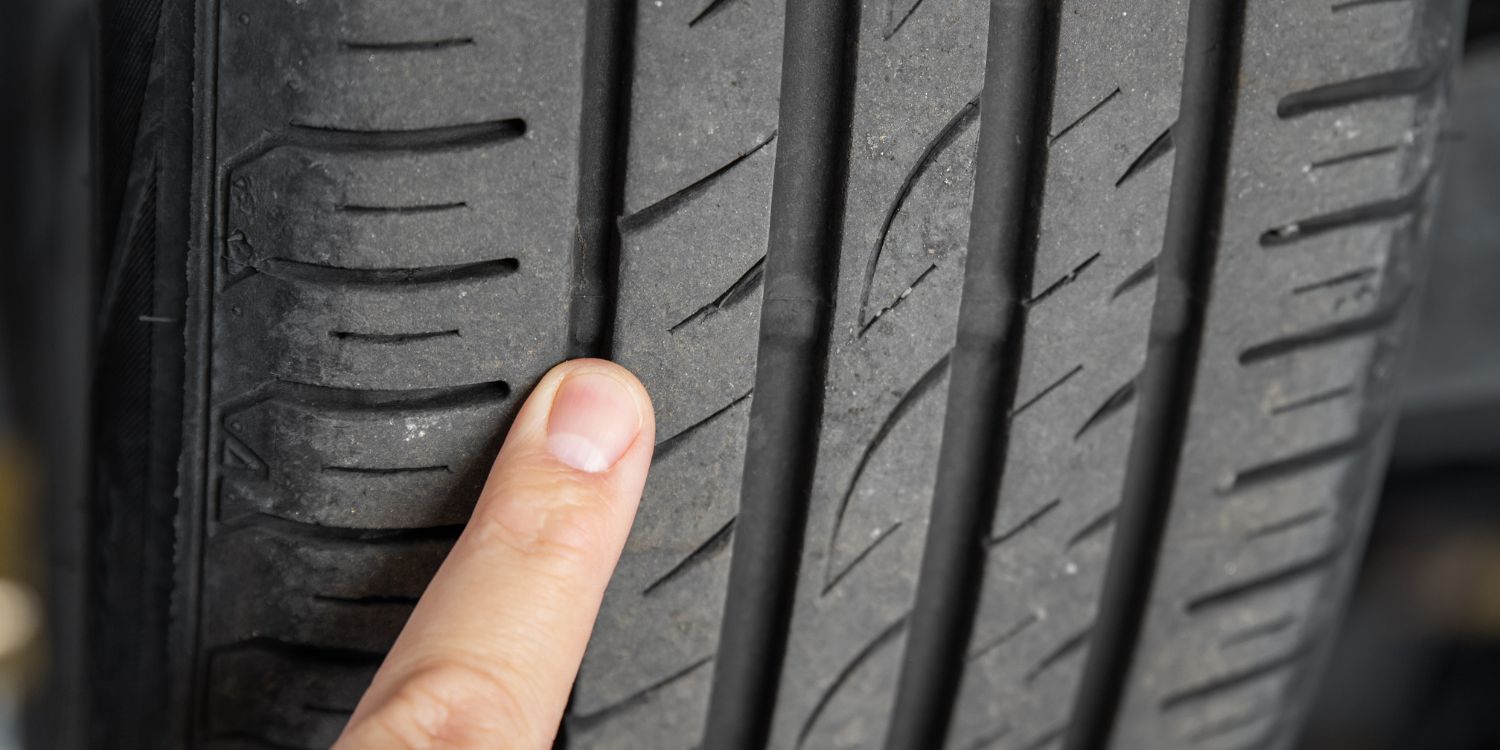
9. Unusual Tire Wear: Uneven tire wear is another indication that your struts might be compromising vehicle alignment. If the struts are unresponsive, tires can wear prematurely, leading to costly replacements.
10. Nose-Diving or Squatting: Have you ever experienced your car dipping forward while braking? This phenomenon, known as nose-diving, suggests that the struts may not be able to effectively control weight transfer during deceleration. Similarly, if the rear sags excessively when accelerating, strut issues may be afoot.
The Strut Replacement Dilemma
11. When to Replace Struts: Struts are not designed to last indefinitely; they experience wear and tear over time due to repeated extensions and compressions. It’s generally recommended to replace struts every 50,000 to 100,000 miles, though driving habits and road conditions can influence this timeline.
12. Cost Implications: Replacing struts can be a significant investment, but neglecting them can lead to more substantial costs related to other suspension components, tires, and even safety hazards. It’s often advisable to address strut issues proactively to avoid cascading failures.
Conclusion: The Unsung Heroes of Suspension
While struts may not be the most glamorous components of a vehicle, their impact on driving experience, safety, and comfort cannot be understated. Understanding what struts do can deepen one’s appreciation for automotive engineering and the intricacies of vehicle performance. As vehicles evolve, struts will undoubtedly continue to adapt, highlighting the balance between innovation and fundamental engineering principles. Whether you’re a seasoned car enthusiast or an everyday driver, acknowledging the significance of these unsung heroes is essential in ensuring a safe and enjoyable ride.










Leave a Comment