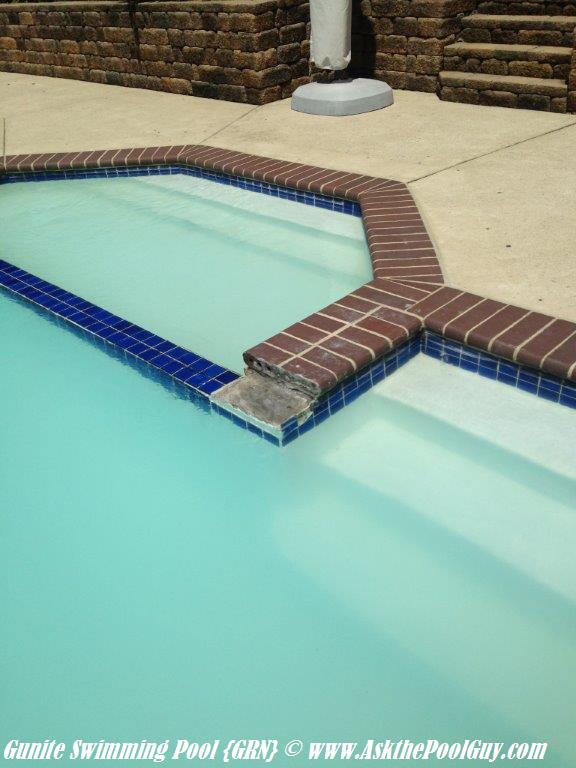
As you prepare to dive into your serene backyard oasis, a nagging question takes form in your mind: “Why is my pool cloudy?” This issue, perplexing for many pool owners, can lead to frustration and concern regarding water quality and the safety of swimming. Understanding this phenomenon is the first step in transforming your dim and murky swimming hole back into a glistening retreat. Through exploring various causes and solutions, you can attain a clearer perspective on maintaining pristine water quality.
Before delving into the underlying reasons behind pool cloudiness, it’s important to note that clarity is not merely a cosmetic concern. Translucent water signifies a balanced ecosystem, essential for both health and enjoyment. Cloudy water can signal various issues, ranging from improper chemical balancing to inefficiencies in filtration systems. You owe it to yourself— and your guests—to ensure your pool remains a shimmering sanctuary.
Common Causes of Cloudy Pool Water
1. Inadequate Filtration: One of the primary culprits behind pool cloudiness is insufficient filtration. If your pool’s filter is malfunctioning or undersized, it may struggle to remove debris, dirt, and contaminants, leading to a cloudy appearance. Inspect your filtration system routinely, making sure it runs for the recommended duration each day.
2. Improper Chemical Levels: Maintaining correct chemical balances is crucial for clear water. Low sanitizer levels, particularly chlorine, can allow bacteria and algae to flourish, resulting in murky water. Conversely, excessive chemicals can lead to a phenomenon known as “cloud formation.” Regular testing of pH, alkalinity, and calcium hardness can prevent these issues.
3. Algae Blooms: Invisible to the naked eye at first, algae can proliferate rapidly, transforming your pool into a greenish haze. Even if routine chlorination is practiced, certain environmental factors—high temperatures or the presence of phosphates—can catalyze algae growth. Detecting early symptoms and acting swiftly can prevent a full-blown algae invasion.
4. Organic Contaminants: Leaves, twigs, sunscreens, and even dirt can introduce organic matter into your pool, prompting cloudy conditions. These particles can disrupt the water’s clarity, acting as food sources for bacteria and algae. Regular cleaning and skimming can vastly mitigate this issue.
5. Calcium Hardness Imbalance: Excessively high or low calcium hardness levels can lead to cloudy water. When calcium levels are too high, it can lead to scale formation; conversely, low calcium can disrupt the water’s clarity. Regular testing and subsequent adjustments can maintain ideal calcium levels between 200 and 400 ppm (parts per million).
6. Environmental Factors: Consider the external environment surrounding your pool. Heavy rainfall, wind, and seasonal changes can contribute to cloudiness by introducing pollutants. Even the time of year plays a role; for instance, summer months may necessitate additional maintenance due to the increased presence of dirt and debris.
Solutions for Cloudy Pool Water
1. Filtration Improvements: Ensure that your filtration system is functioning optimally. Cleaning or replacing filter cartridges may be necessary, and consider upgrading to a higher-capacity system if your current filter cannot meet your pool’s demands. Running your filter for extended hours, especially after heavy swimming sessions, can significantly improve clarity.
2. Chemical Balancing: Conduct regular water tests to ascertain the appropriate levels of pH, alkalinity, and chlorine. Aim for a pH between 7.2 and 7.6, total alkalinity between 80 and 120 ppm, and chlorine levels between 1-3 ppm. Adjusting your pool chemistry using commercially available products can restore balance and maintain translucence.
3. Algaecide Treatments: If algae is suspected, introduce a quality algaecide into the water. Follow the manufacturer’s instructions meticulously, and remember that prevention is easier than remediation. Regularly shocking the pool with chlorine can deter algae growth before it becomes visible.
4. Regular Cleaning Routines: Implement a consistent cleaning schedule that includes skimming debris, vacuuming the pool floor, and brushing walls. Invest in a quality pool vacuum to simplify this task and enhance water clarity. Making cleaning a priority will mitigate organic contaminants and contribute to clear waters.
5. Monitor Water Source: If utilizing a municipal supply, analyze the water for contaminants and minerals prior to filling your pool. Sometimes, the source itself can introduce cloudiness. In such cases, using a pre-filter when filling your pool can prevent certain pollutants from settling into your water.
In conclusion, a cloudy pool is not just a mere inconvenience, but a prompt for action. Armed with a well-rounded understanding of potential causes and practical remedies, you can effectively reclaim your pool’s crystal-clear allure. By adopting routine maintenance practices and committing to rigorous water quality checks, you can bask in the tranquility of your aquatic sanctuary once again. Who knew that the path to clarity could unlock such serene enjoyment and fulfilling relaxation? The next time murkiness beckons, approach it with confidence—your shimmering oasis awaits.










Leave a Comment