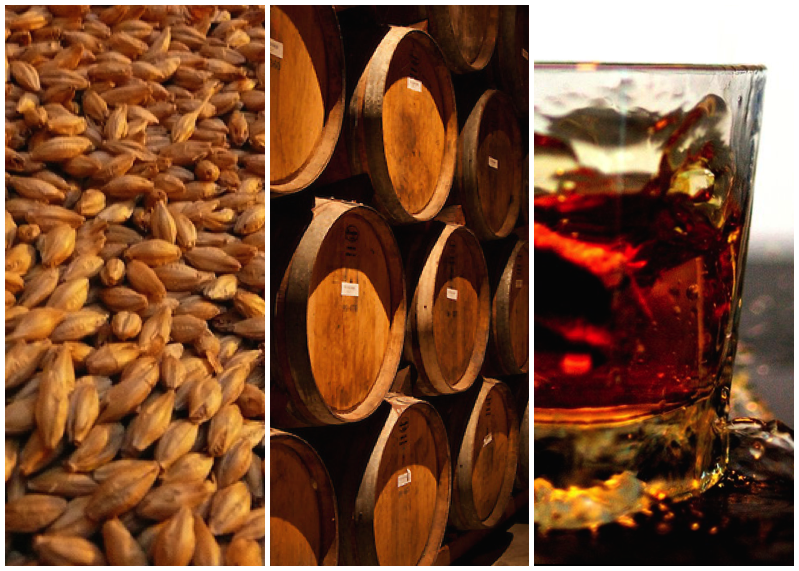
When delving into the world of spirits, one of the most frequently encountered yet misunderstood topics is the differentiation between whisky, bourbon, and Scotch. Each type encapsulates distinctive traditions, flavors, and characteristics rooted deeply in geography and production methods. This guide aims to unravel the intricate tapestry that distinguishes these celebrated spirits in the hopes of enriching your appreciation and understanding.
Understanding Whisky
Whisky (or whiskey, depending on the region) is a distilled alcoholic beverage made from fermented grain mash. The grains used can vary widely, including barley, corn, rye, and wheat. The primary stages of whisky production—malting, mashing, fermenting, distilling, and aging—are fundamental to producing the diverse range of flavors and aromas found in whiskies around the globe. However, the real distinction lies within its subcategories: bourbon and Scotch.
What is Bourbon?
Bourbon is a distinctly American spirit with regulations so specific that they govern its production. To be classified as bourbon, the spirit must adhere to several stipulations:
- Bourbon must be made from a grain mash that contains at least 51% corn. This high corn content imparts a sweeter flavor profile.
- The distillation process must occur at no more than 160 proof (80% ABV).
- Bourbon must be aged in new charred oak barrels, which imbue the spirit with smoky notes and profound vanilla undertones.
- It must be bottled at a minimum of 80 proof (40% ABV).
While many associate bourbon exclusively with Kentucky, it can technically be produced anywhere in the United States. The flavors of bourbon can range from sweet caramel to rich spice, often attributed to the corn and the aging process. Popular varieties include Maker’s Mark, Woodford Reserve, and Buffalo Trace, each showcasing unique flavors while maintaining the bourbon’s distinct identity.
The Allure of Scotch Whisky
Scotch, a product of Scotland, carries a timeless mystique, refined over centuries. To garner the prestigious title of Scotch, a whisky must comply with several criteria:
- Scotch must be made from malted barley or a mix of grains, with a significant emphasis on malted barley in single malt Scotch.
- The whisky must be distilled and matured in oak casks for a minimum of three years.
- It must be produced within Scotland’s geographical boundaries, and the water source can significantly affect the flavor.
Scotch is renowned for its robust flavors, often marked by smoky peat notes, especially in regions such as Islay. Other regions, such as Speyside, produce smoother, fruitier whiskies. Famous brands like Glenfiddich, The Macallan, and Laphroaig showcase the broad spectrum of flavors encapsulated in Scotch whisky, appealing to both novice and seasoned tasters alike.
Comparative Analysis: Bourbon vs. Scotch
The contrasts between bourbon and Scotch extend beyond the base ingredients and geographical guidelines. Here, we explore further variations:
- Grain Composition: Bourbon’s predominant use of corn contributes to its sweetness, while Scotch’s reliance on barley yields a more complex palate.
- Aging Techniques: Bourbon is matured exclusively in new charred oak barrels—primarily influencing its caramel and vanilla notes. In contrast, Scotch can age in both new or previously used casks, allowing for greater variation in flavor depending on what was a prior occupant.
- Flavor Profiles: Bourbon typically presents flavors of sweet caramel, toffee, and spice, while Scotch can vary drastically, ranging from extinguished bonfire smoke to delicate floral hints.
Regional Distinctions Within Scotch
Scotch whisky can be further divided into several regions, each imparting unique characteristics to its products:
- Highland Scotch: From the northern highlands, these whiskies tend to be full-bodied with a diverse array of flavors.
- Islay Scotch: Known for its peaty, smoky character, Islay whiskies offer a bold experience that captivates aficionados.
- Speyside Scotch: Often considered the heart of Scotch production, Speyside whiskies are typically sweeter and fruitier, making them approachable for newcomers.
Conclusion
Understanding the nuances between whisky, bourbon, and Scotch offers a fascinating glimpse into the craftsmanship that elevates these spirits from mere beverages to revered artifacts of culture and tradition. Whether you lean towards the sweetness of bourbon or the nuanced complexity of Scotch, each sip invites a journey through history, geography, and artful creation. So, raise your glass, as you ponder the distinctive characteristics of these spirits, indulging yourself in their rich legacy.









Leave a Comment