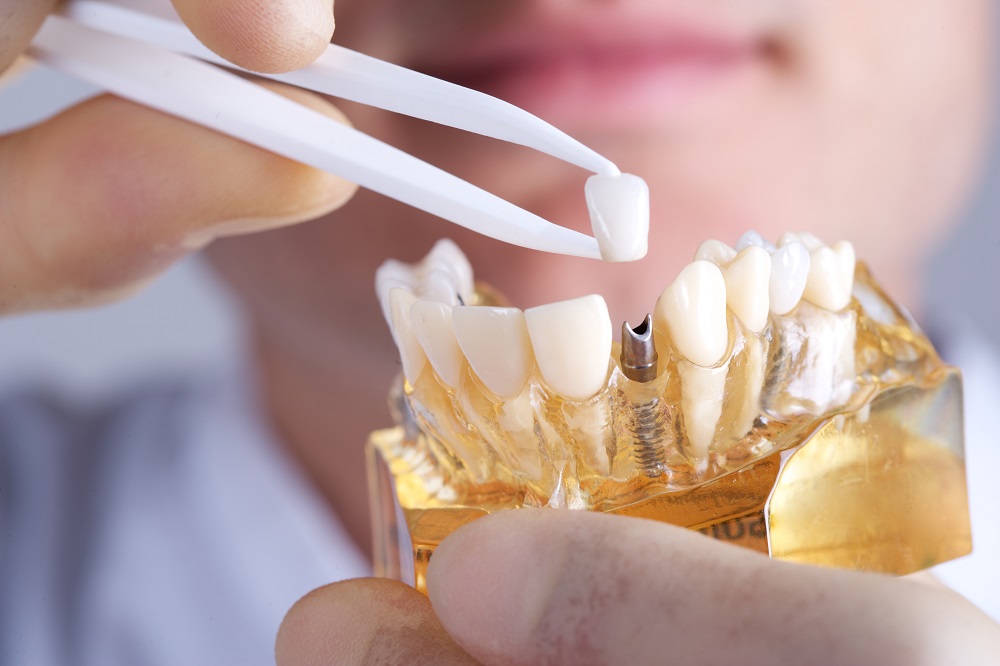
Dental implants have emerged as a popular solution for those seeking to restore the functionality and aesthetics of their smiles. They serve as a beacon of hope for individuals grappling with tooth loss, providing a long-lasting alternative to traditional dentures or bridges. Yet, like any medical procedure, dental implants possess a spectrum of attributes that warrant careful consideration. The decision to proceed with implants invites a playful question: Do their advantages unequivocally outweigh the potential drawbacks? Let’s delve into a comprehensive exploration of the pros and cons of dental implants.
Pros of Dental Implants
1. Enhanced Aesthetic Appeal
One of the most compelling benefits of dental implants is their natural appearance. Implants are designed to mimic the shape, size, and color of the original teeth, resulting in a seamless integration within the smile. This aesthetic improvement often grants individuals newfound confidence, transforming not only their smiles but their overall self-esteem.
2. Improved Functionality
Dental implants restore lost functionality, allowing individuals to chew and speak with ease. Unlike dentures, which may slip or cause discomfort, implants provide a fixed solution that operates like natural teeth. This enhancement in everyday activities can enrich one’s quality of life, enabling enjoyment of a broader culinary repertoire.
3. Durability and Longevity
When properly cared for, dental implants boast an impressive lifespan, often lasting 10 to 15 years or even longer. This durability stands in stark contrast to other solutions, such as dentures, which may require frequent replacements. Implants represent an investment in long-term oral health, positioning them as a financially prudent choice over time.
4. Bone Preservation
A remarkable aspect of dental implants is their ability to preserve the jawbone’s integrity. When a tooth is lost, the underlying bone can begin to deteriorate due to the absence of stimulation. Implants function as artificial roots, stimulating the jawbone akin to natural teeth and preventing bone loss. This preservation plays a crucial role in maintaining facial structure and avoiding the dreaded sunken appearance that often accompanies tooth loss.
5. Convenience and Ease of Maintenance
Unlike removable dentures that require meticulous cleaning routines and special adhesives, dental implants can be brushed and flossed just like natural teeth. This simplicity in maintenance encourages better oral hygiene practices, ultimately contributing to enhanced overall health.
Cons of Dental Implants
1. Surgical Procedure and Associated Risks
Although the benefits of dental implants are numerous, the procedure involves surgery, which inherently carries certain risks. Potential complications, such as infection, nerve damage, or sinus issues, may arise. Individuals must weigh these risks against the advantages and consult with dental professionals to assess their suitability for the procedure.
2. Financial Considerations
Dental implants can be a significant financial investment. The initial costs may be higher than other tooth replacement options, and the surgical aspect adds to the overall expenses. However, it is essential to consider the long-term savings associated with their durability and the avoidance of continual replacements. Nevertheless, the sticker shock of implants can serve as a deterrent for some individuals.
3. Time Commitment
The process of receiving dental implants is not instantaneous. After the initial placement, a healing period known as osseointegration must occur, during which the implant fuses with the jawbone. This timeline can span several months, requiring patients to exercise patience while awaiting their final restoration. For those who prefer immediate gratification, this protracted timeline can pose a challenge.
4. Possible Limitations for Certain Patients
Not everyone is an ideal candidate for dental implants. Conditions such as uncontrolled diabetes, smoking, or insufficient bone density may hinder the success of the procedure. Individuals with these challenges may be left contemplating alternative tooth replacement options. Consulting a qualified dental professional can provide insights into individual suitability and any necessary preparatory procedures.
5. Maintenance of Adjacent Teeth
While dental implants do not rely on neighboring teeth for support, the presence of implants necessitates diligent care of surrounding teeth. This focus on overall dental health underscores the importance of regular check-ups and professional cleaning. Failure to maintain a comprehensive oral hygiene routine can lead to complications, diminishing the overall success of the implant.
In conclusion, dental implants offer a multifaceted solution to tooth loss, endowed with notable benefits that enhance both aesthetic appeal and oral function. Yet, the accompanying challenges and considerations cannot be overlooked. Ultimately, the decision to pursue dental implants is a deeply personal one, necessitating careful deliberation and consultation with dental professionals. As you weigh the pros and cons, remember that sophisticated and diverse options exist within modern dentistry, ready to help you achieve your ideal smile.








Leave a Comment