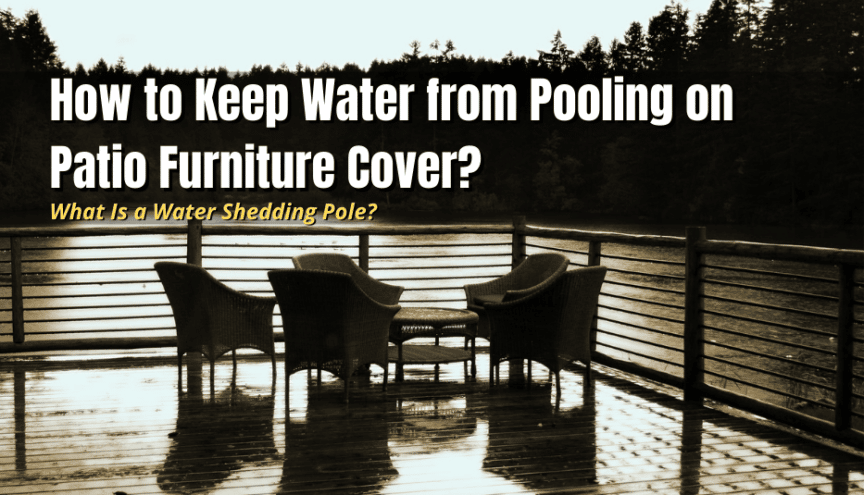
Maintaining the pristine condition of backyard furniture is an essential aspect of outdoor living that can dramatically enhance your enjoyment of your space. However, one of the persistent challenges that homeowners face is the accumulation of water on furniture covers, particularly during inclement weather conditions. This article delves into effective strategies for preventing water from pooling on your furniture covers, ensuring longevity and aesthetics for your backyard décor.
Understanding the dynamics of water accumulation requires a fundamental insight into the materials used in furniture covers. Most covers are made from water-resistant fabrics, which can still trap water if not designed or positioned correctly. By addressing how covers are constructed, evaluating their installation, and exploring additional accessories, you can mitigate the potential for water pooling.
1. Choosing the Right Material
When selecting furniture covers, opt for breathable fabrics that can repel water while allowing moisture to escape. Look for covers made from synthetic materials such as polyester or solution-dyed acrylic. These materials not only provide superior water resistance but also resist fading and tearing. Additionally, consider using covers with a UV-resistant finish, which guards against damage from sunlight, extending the life of your investment.
2. Elevation is Key
One of the most effective techniques for preventing water from pooling is to ensure that the furniture covers are slightly elevated. A standard approach is to create a gentle slope in the cover. This can be achieved by using risers or custom-built frames to elevate the center of the cover, allowing water to run off rather than collect. A flexible approach is utilizing crisscrossed bungee cords to create this slope – they provide adaptability while maintaining tension to keep the cover securely in place.
3. Employing Water-Resistant Features
Another advanced strategy is to invest in covers designed with built-in water-resistant features, such as drainage grommets. These small openings facilitate the escape of accumulated water, preventing excess weight that can damage the cover and the furniture below. Make sure these grommets are strategically placed at the lowest point of the cover so that gravity aids in water dispersion.
4. Seasonal Adjustments
Throughout the year, different weather conditions necessitate various protective measures. During the rainy season, it is imperative to make adjustments regularly, ensuring that covers are not only tight but also have mechanisms for rapid removal in case of heavy rainfall. Conversely, lighter materials can be employed during dryer seasons, allowing for a greater degree of breathability and comfort without the weight of heavier protective fabrics.
5. Regular Maintenance
Consistency in maintenance is crucial. Regularly inspecting the covers for wear and tear can preempt pooling issues caused by damaged fabric or compromised seams. Cleaning your covers according to the manufacturer’s guidelines will also help in maintaining their water-resistant properties. A soft brush and mild detergent should suffice to remove dirt and debris that could cause the material to become porous over time.
6. Custom Fit Options
Many homeowners underestimate the importance of a proper fit when it comes to furniture covers. Investing in custom-fit covers that snugly embrace your furniture helps in reducing the likelihood of pooling. Measure your furniture accurately, allowing for enough fabric to cover the entirety of each piece while accounting for details such as armrests and legs. A flawless fit means there’s less fabric for water to collect on, effectively lessening pooling risks.
7. Use of Anchoring Systems
Wind can be a formidable adversary, often blowing covers off or causing them to shift, thus creating dips where water can collect. Utilizing anchoring systems or straps to secure covers down is a proactive approach to curb this issue. Heavy-duty clips or adjustable straps can help maintain cover integrity, ensuring that it remains taut even in blusterous conditions.
8. Alternative Covering Materials
For those seeking an alternative to traditional fabric covers, consider using specially designed plastic or vinyl covers. These materials are typically sturdier and can withstand heavy rainfall without sagging or absorbing moisture. However, ensure that they have vents or are designed to minimize condensation buildup on the interior side, as this could counteract their effectiveness.
9. Proactive Weather Forecasting
Investing in a reliable weather monitoring system can provide timely alerts about impending rain, allowing you to take preemptive action. If a storm is forecasted, removing covers temporarily or ensuring they are properly secured can diminish the likelihood of water pooling. Proactivity is an invaluable asset; staying informed allows for timely interventions, effectively preserving your furniture’s condition.
In conclusion, keeping water from pooling on backyard furniture covers requires a multifaceted approach that considers materials, installation, regular maintenance, and weather adaptation. By implementing these strategies, not only will you prolong the life of your outdoor furniture, but you will also enhance your outdoor experience with minimal interruption. A well-conceived plan protects your investment while ensuring that your backyard remains a sanctuary for relaxation and enjoyment year-round.









Leave a Comment