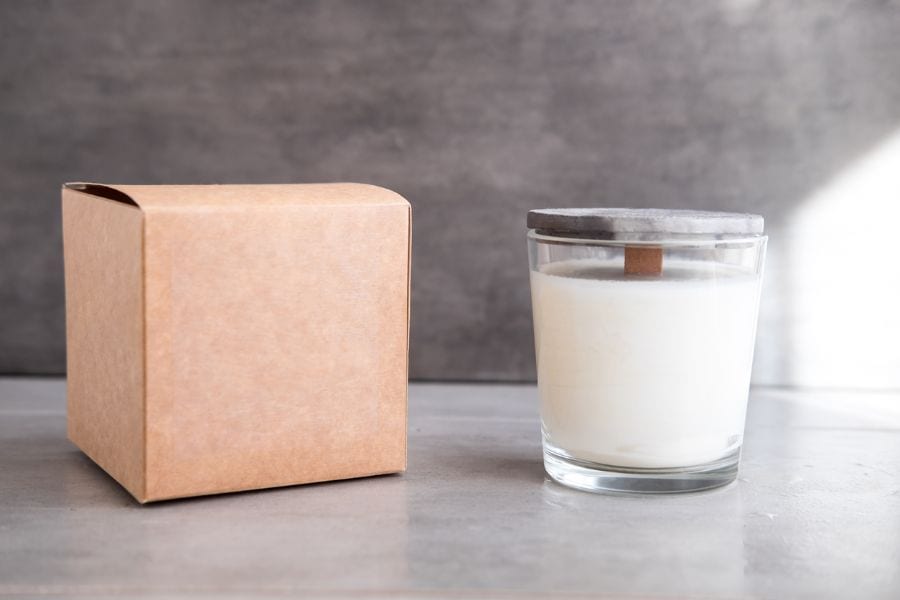
In the realm of home ambiance and fragrance, soy candles have garnered significant attention for their perceived advantages over traditional paraffin options. However, with an increase in popularity comes a myriad of questions surrounding their safety, production process, and environmental impact. This article aims to elucidate the complexities of soy candles, addressing various facets to provide a comprehensive understanding of whether they are indeed safe to burn in our living spaces.
1. The Composition of Soy Candles
At their core, soy candles are crafted from soybean oil, which is a renewable resource derived from the processing of soybeans. Unlike paraffin, a byproduct of petroleum, soy candles offer a plant-based alternative that aligns with the growing consumer demand for eco-friendly products. While the main ingredient is soy wax, many manufacturers augment their candles with additional materials such as fragrances, dyes, and additives to enhance performance and aesthetic appeal. Understanding the complete composition is pivotal when assessing safety characteristics.
2. The Benefits of Soy Candles
One of the most notable benefits of soy candles is their clean burning properties. When incinerated, soy wax emits significantly less soot than paraffin, thereby contributing to improved indoor air quality. Moreover, they burn longer, which can translate into more hours of enjoyment. Additionally, soy candles are biodegradable, making them a safer option for the environment. Their superior scent throw, due to a lower melting point that allows for better fragrance diffusion, is another enticing characteristic that appeals to candle aficionados.
3. Health Risks Associated with Candle Burning
While the initiation of soy candles may seem innocuous, it is essential to consider the health implications associated with any candle burning. The combustion of solutions, regardless of the source, can result in the release of volatile organic compounds (VOCs) and particulate matter. These substances can aggravate respiratory conditions and contribute to allergic reactions in sensitive individuals. Despite the soy base, candles infused with synthetic fragrances or harmful additives can still pose health risks, highlighting the necessity for diligent ingredient scrutiny.
4. The Importance of Sourcing
Not all soy candles are created equal. The sourcing and quality of the soy wax play a significant role in determining safety and environmental impact. Candles made from 100% pure soy wax, with no additives or blends, are often deemed the safest choice. Conversely, those mixed with paraffin, or containing undisclosed synthetic elements, should be approached with caution. As a consumer, seeking reputable brands that transparently disclose their ingredients underscores a commitment to safety and well-being.
5. Candle Wick Considerations
The wick of a candle, often overlooked, warrants particular attention. Traditional wicks may contain lead or other toxic metals, which can become problematic when burned. Fortunately, most modern soy candles utilize cotton or wooden wicks, significantly reducing any risks associated with harmful residues. When selecting candles, it is prudent to choose options specifically labeled as lead-free to ensure a safe burning experience.
6. Allergies and Sensitivities
The olfactory allure of scented soy candles can be enchanting, yet it is paramount to note that certain fragrance ingredients can trigger allergic reactions. Whether the scent is derived from natural essential oils or synthetic compounds, individuals with sensitivities might experience headaches, respiratory discomfort, or skin irritations. Considering alternatives such as unscented versions or those with hypoallergenic oils can mitigate these risks for sensitive populations.
7. Environmental Impact
The sustainable aspect of soy candles often positions them as the environmentally conscious choice. Soybeans are renewable, and their cultivation involves fewer pollutants compared to petroleum extraction. Moreover, soy candle production generates a smaller carbon footprint, presenting a favorable option for eco-conscious consumers. Nevertheless, it is crucial to consider the entire lifecycle of candles, including the impact of packaging and shipping, to gain a holistic understanding of their environmental footprint.
8. Practical Safety Tips for Candle Usage
While the choice of candle type is vital, responsible usage is equally critical. To ensure the safe burning of soy candles, practitioners should adhere to safety measures such as keeping candles away from flammable materials, never leaving burning candles unattended, and trimming wicks to approximately one-quarter inch prior to lighting. This not only prolongs the candle’s life but also minimizes soot production, ensuring a cleaner burn.
9. Conclusion
As our homes become havens of relaxation and rejuvenation, understanding the nuances of the products we utilize is essential. Soy candles, with their array of benefits ranging from sustainability to lower emissions, represent a favorable choice for many consumers. However, inherent risks such as potential allergenic reactions, ingredient quality, and proper usage must not be overlooked. By making informed decisions and selecting high-quality products, consumers can enjoy the soothing ambiance of soy candles while safeguarding their health and well-being from any lurking dangers. The journey to creating a safe and inviting space is an ongoing process, one that begins with awareness and education.










Leave a Comment